June 22, 2026
What Perfume Notes Smell Luxurious?
Luxury rarely announces itself loudly. In fragrance, it lingers in the air after you leave, close to the skin at first, then unfolding with quiet authority. If you have ever wondered what perfume notes smell luxurious, the answer is not just about price or rarity. It is about texture, depth, balance, and the way certain materials carry presence.
A luxurious perfume feels polished from the first impression to the final dry down. It does not rush. It develops. Some notes create that effect almost instinctively, while others need careful blending to avoid feeling flat, sweet, harsh, or overly familiar. The difference between expensive-smelling and truly luxurious often comes down to composition.
What perfume notes smell luxurious in a fragrance?
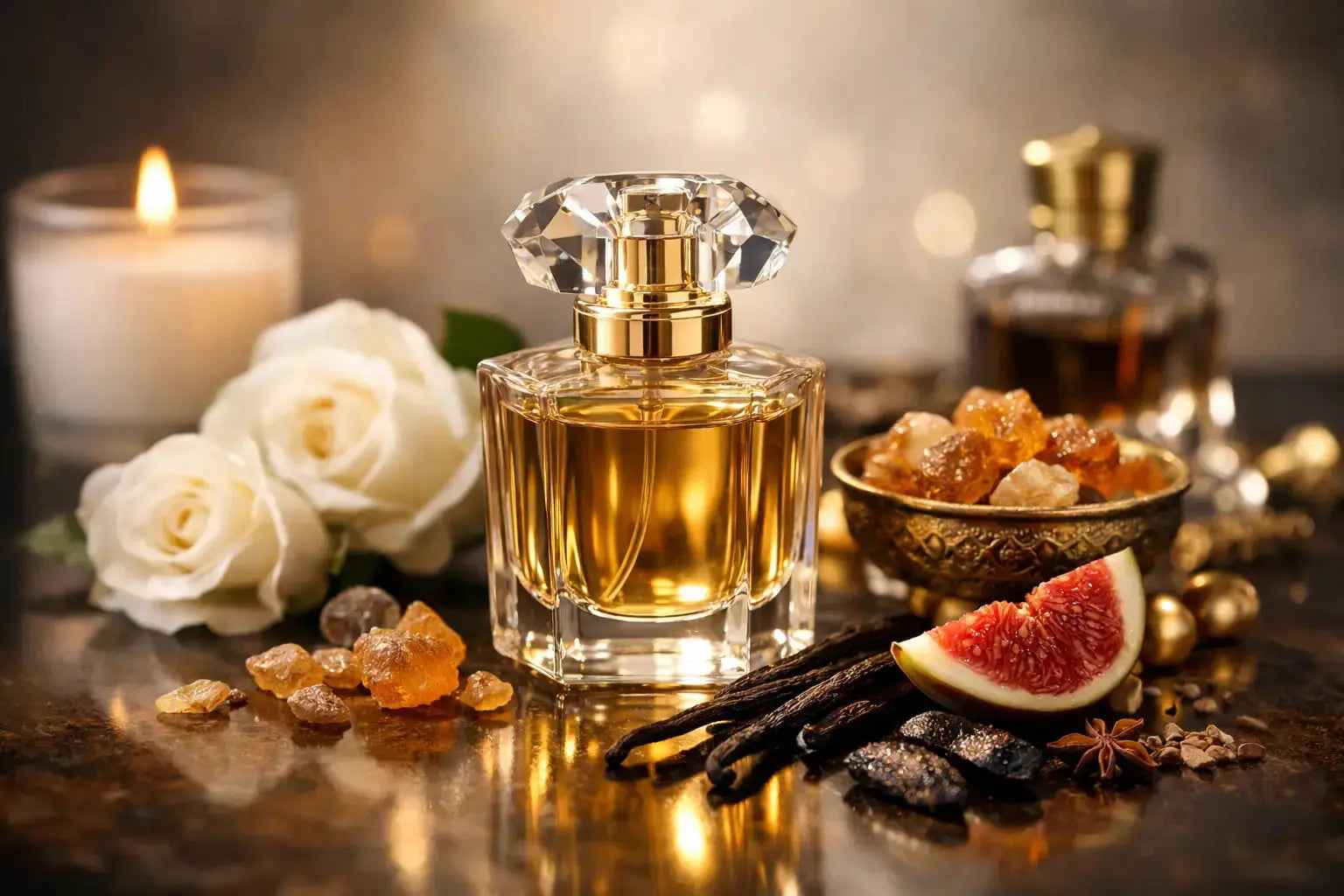
Some notes have long been associated with wealth, ritual, and refinement. Oud, amber, musk, iris, rose, sandalwood, vanilla, saffron, incense, and certain woods tend to read as more luxurious because they bring richness and dimension. They feel substantial. They leave a trail that suggests craftsmanship rather than convenience.
That said, no note is luxurious in isolation every time. A sharp oud can feel medicinal if handled poorly. Vanilla can smell plush and elegant or sugary and predictable. Musk can whisper sophistication or disappear into soap. Luxury depends on quality, concentration, and structure just as much as the note itself.
Oud - the signature of depth and prestige
Few perfume notes carry the same aura as oud. Dark, resinous, woody, and slightly animalic, oud has a gravity that immediately shifts a fragrance into more elevated territory. In Arabian perfumery, oud is not a passing trend. It is heritage, ceremony, and identity. It gives perfume stature.
What makes oud smell luxurious is its complexity. It can feel smoky, leathery, woody, sweet, or almost velvety depending on the style. In a modern composition, oud is often polished with rose, amber, saffron, or vanilla to make it smoother and more wearable. That balance matters. Too raw, and oud can feel intimidating. Refined well, it smells commanding and unforgettable.
For warm climates, oud also has another advantage. It tends to hold its shape beautifully in heat, revealing more depth rather than collapsing into sharpness.
Amber - warmth with a golden glow
Amber is one of the most reliable ways to create a luxurious impression. It gives fragrance a golden, enveloping warmth that feels sensual rather than obvious. Amber is not one single raw material in the way many people imagine. In perfumery, it often refers to an accord built around resinous, sweet, balsamic facets.
Why does amber smell expensive? Because it adds fullness. It softens edges. It turns a scent from thin to textured. When paired with woods, musk, or vanilla, amber creates that smooth, glowing base associated with evening elegance and lasting presence.
The trade-off is that amber can become too dense if blended without contrast. The best luxurious amber fragrances balance warmth with lift, often through spice, floral notes, or dry woods.
Musk - clean skin, elevated
Musk is often misunderstood. People expect luxury to smell dramatic, but musk proves that softness can be just as powerful. A beautiful musk gives perfume intimacy. It creates the impression of immaculate skin, fine fabric, and understated confidence.
Luxurious musk does not usually scream for attention. It supports other notes and extends wear with a refined finish. When paired with amber, woods, or powdery florals, it gives a fragrance a clean sensuality that feels tailored.
Some musks lean airy and fresh, while others are creamy or warm. For a richer, more premium effect, deeper musks tend to feel more elegant than overly laundry-clean styles. The goal is not sterility. It is polish.
Vanilla - when sweetness becomes sophistication
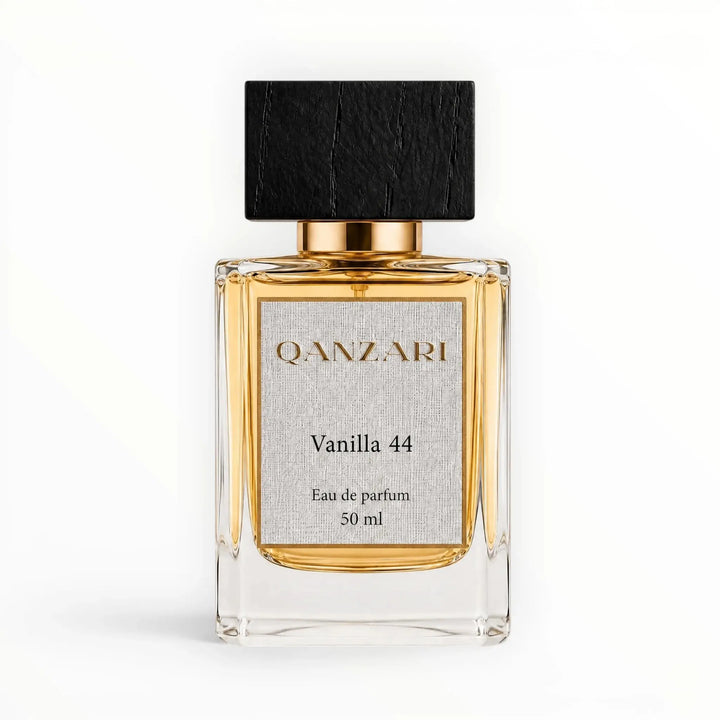
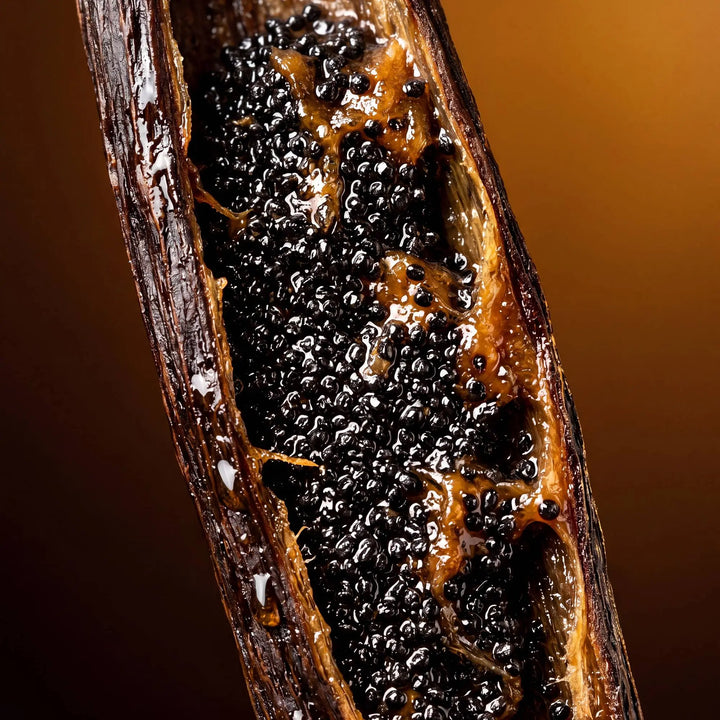
Vanilla has range. At its simplest, it can smell comforting and sweet. At its best, it smells creamy, dark, resinous, and expensive. The reason luxurious vanilla works so well is that it adds softness without stripping a fragrance of structure.
In premium perfumery, vanilla is rarely left alone. It is deepened with amber, smoke, woods, balsams, or spice. That is where it begins to feel mature. A vanilla touched by oud or sandalwood feels far more elevated than one built to smell like dessert.
This is where taste matters. If you want vanilla to smell luxurious, look for blends that feel smooth and rounded rather than sugary. Richness is the signal, not sweetness.
Iris and rose - floral notes with couture appeal
Not every luxurious fragrance is dark or woody. Some feel expensive because they are polished like silk. Iris is a perfect example. Powdery, buttery, and cool, iris has a tailored elegance that reads immediately refined. It is often associated with luxury because it feels composed, almost architectural.
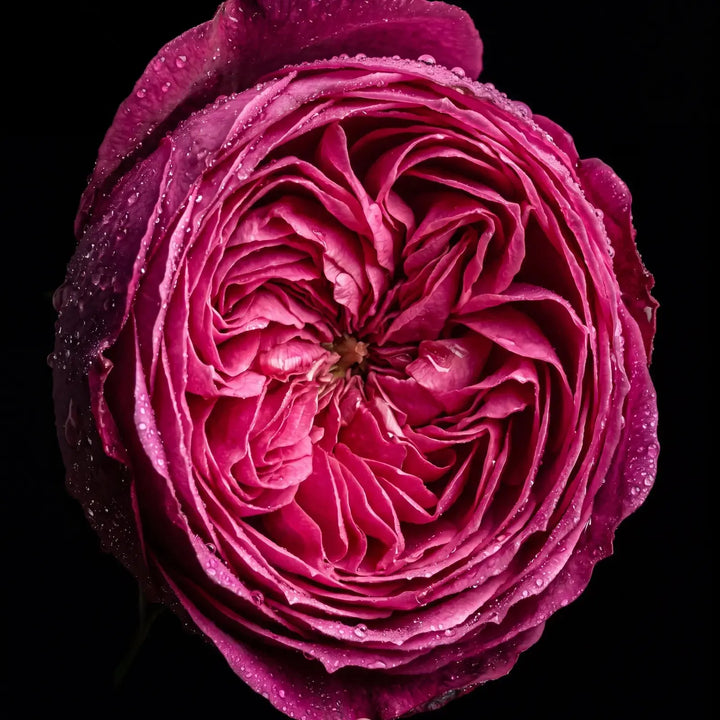
Rose can do the same, though it depends on style. A fresh, bright rose may feel pretty, while a deep rose layered with oud, saffron, amber, or patchouli feels regal. In Middle Eastern-inspired perfumery, rose often gains richness from warmer notes, turning it from romantic to commanding.
These floral notes work best when they avoid excess sweetness. Luxury florals tend to feel velvety, dry, or creamy rather than syrupy.
Sandalwood, saffron, and incense - quiet markers of refinement
Some notes do not take center stage yet still transform a fragrance into something more elevated. Sandalwood adds creamy woodiness and a smooth, expensive texture. It makes a perfume feel finished. Saffron brings a warm, leathery spice that instantly sharpens the sense of opulence. Incense adds mystery, dryness, and ceremony.
Together or separately, these notes create atmosphere. They suggest craftsmanship and restraint. A fragrance with sandalwood and incense, for example, often smells more luxurious than one that relies only on sweetness. It has shape. It has tension.
This is often what sets premium perfumery apart. Luxury is not just richness. It is contrast.
What makes a note smell luxurious instead of heavy?
The answer is proportion. Rich notes need space. Even the most beautiful oud, amber, or vanilla can feel overwhelming if everything in the formula pushes in the same direction. A truly luxurious fragrance has movement. Bright opening notes, subtle spice, airy florals, or dry woods keep the composition from becoming too thick.
This matters even more in hot weather. In heat and humidity, sweetness amplifies, smoke becomes denser, and florals can turn louder. That is why well-made perfumes designed for warmer climates often use luxurious base notes with a cleaner, more controlled structure.
A scent can be powerful without feeling crowded. In fact, that restraint is often what makes it smell more expensive.
How to recognize what perfume notes smell luxurious on skin
Blotter strips tell part of the story. Skin tells the truth. Notes that smell luxurious in the air may wear differently once they meet your body chemistry. Amber may become sweeter. Musk may fade into softness. Oud may bloom beautifully or lean sharper than expected.
When testing a fragrance, pay attention to the dry down. The first ten minutes can be impressive, but luxury reveals itself over time. Ask yourself whether the scent becomes smoother, deeper, and more coherent as it settles. Does it feel textured? Does it leave a memorable impression without turning noisy?
Also notice whether the fragrance suits your environment. A heavy gourmand may feel lavish indoors but cloying under strong sun. A refined blend of oud, amber, musk, and vanilla often performs better because it carries warmth, character, and longevity without losing elegance. That balance is part of why heritage-rich Arabian perfumery continues to define modern luxury so well.
The notes that most often signal luxury
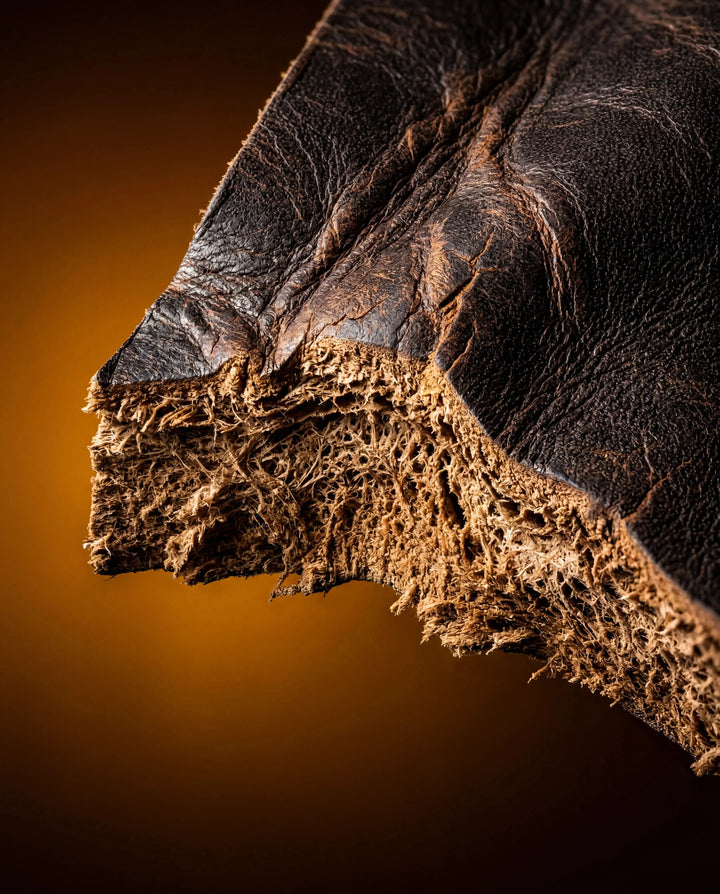
If you are building a personal fragrance wardrobe around richness and presence, the notes most likely to smell luxurious are oud, amber, musk, sandalwood, saffron, iris, rose, incense, leather, and a darkened vanilla. Not every perfume needs all of them. In fact, too many can muddy the effect.
What matters is the feeling they create together - depth, softness, warmth, clarity, and a sense that every layer has been placed with intention. That is the difference between a perfume that smells expensive for a moment and one that leaves a lasting signature.
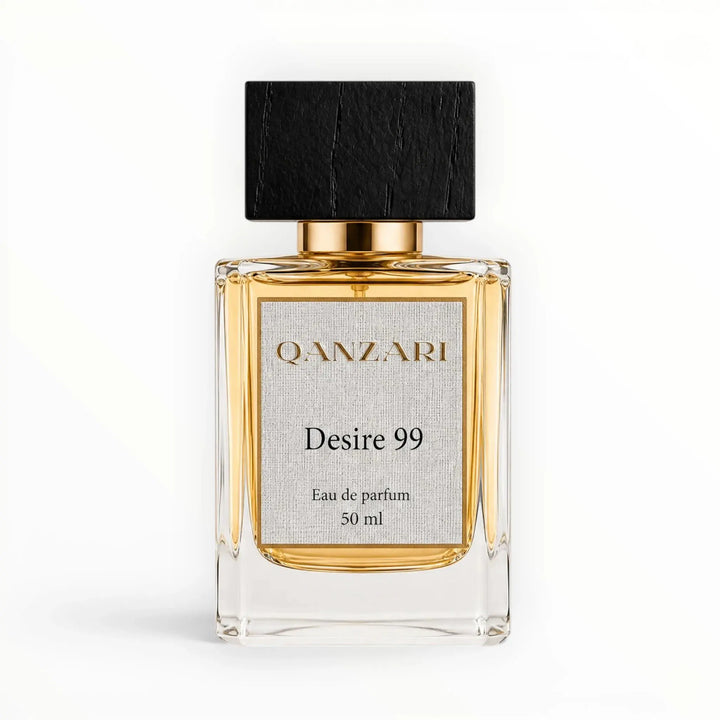
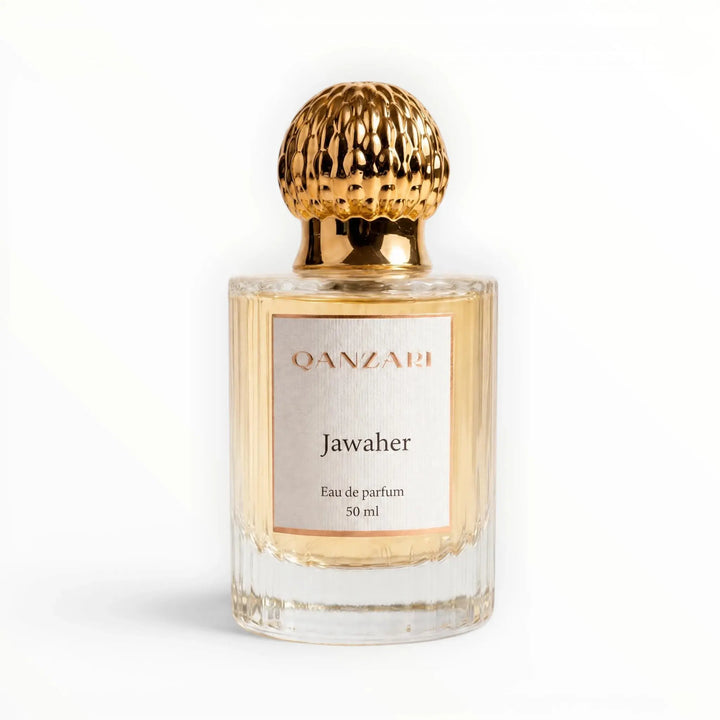
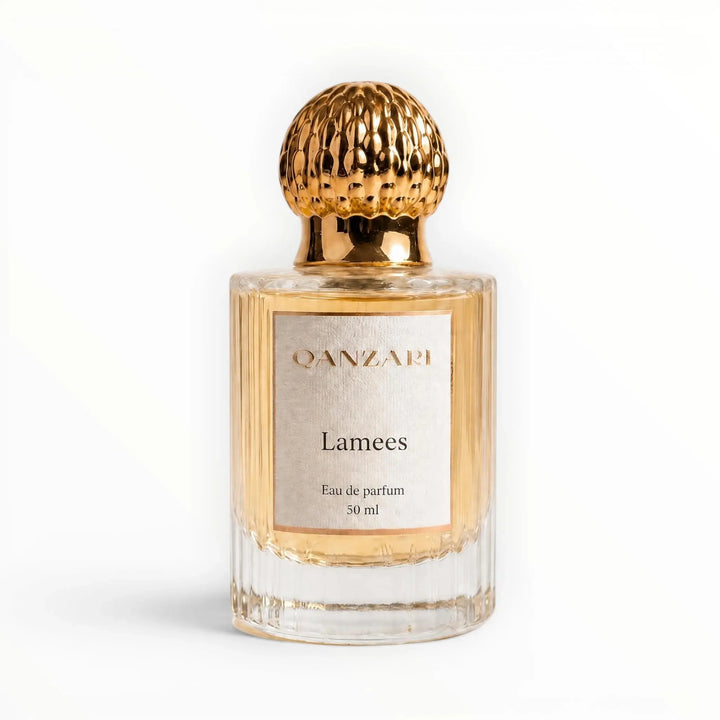
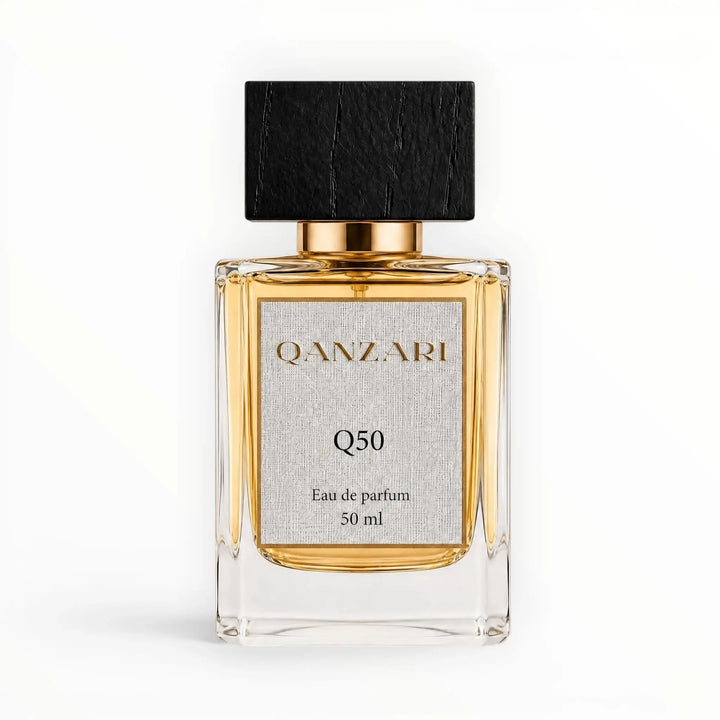
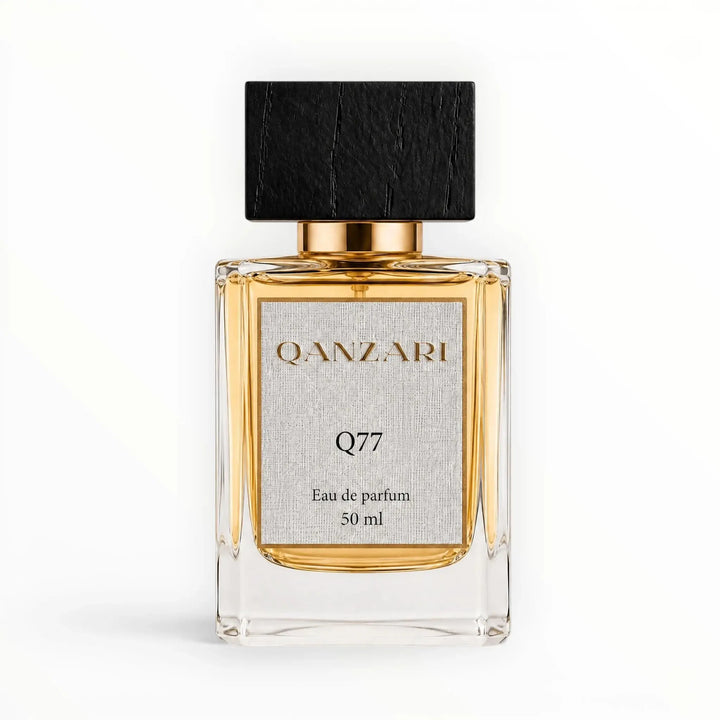
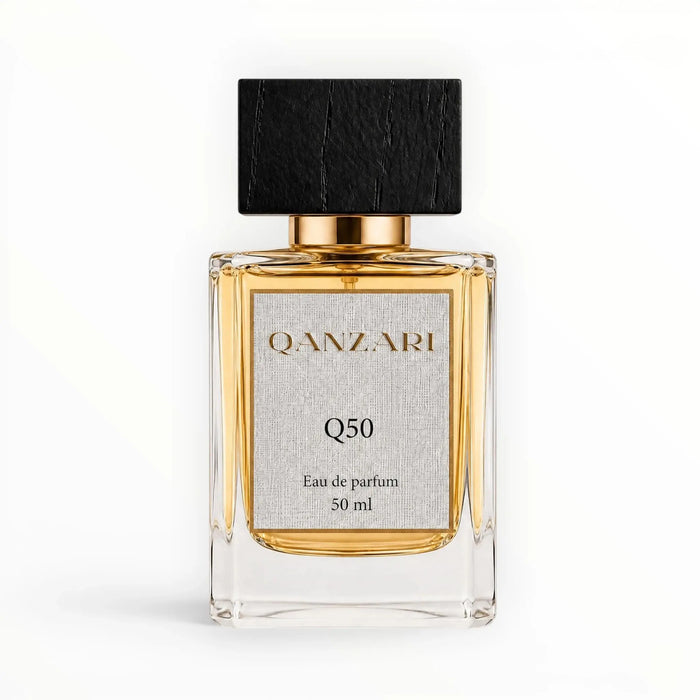
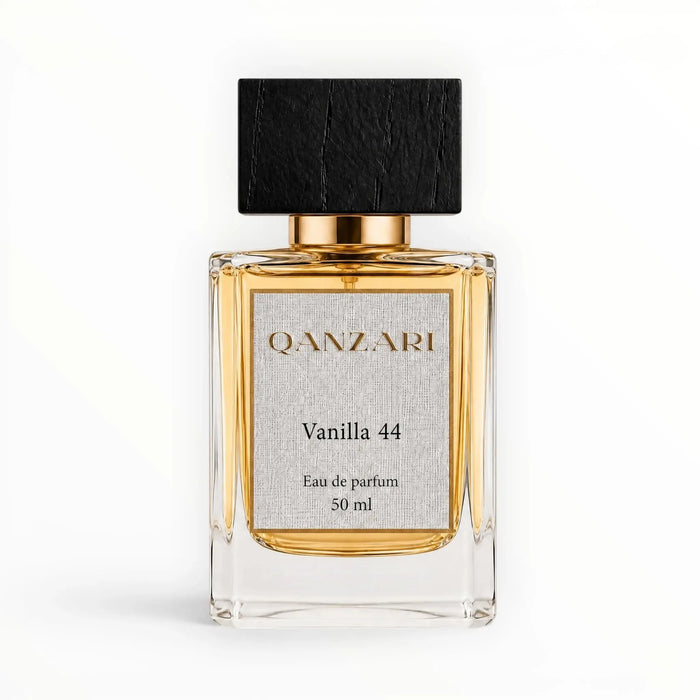
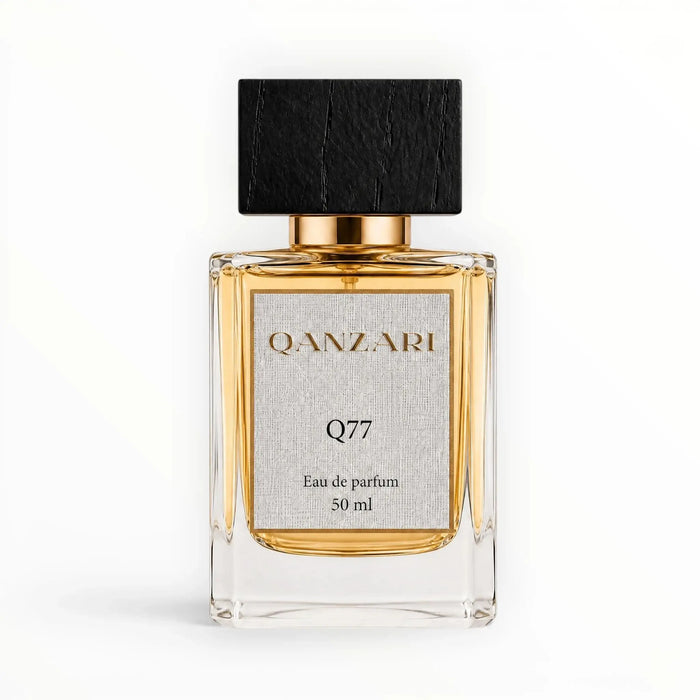
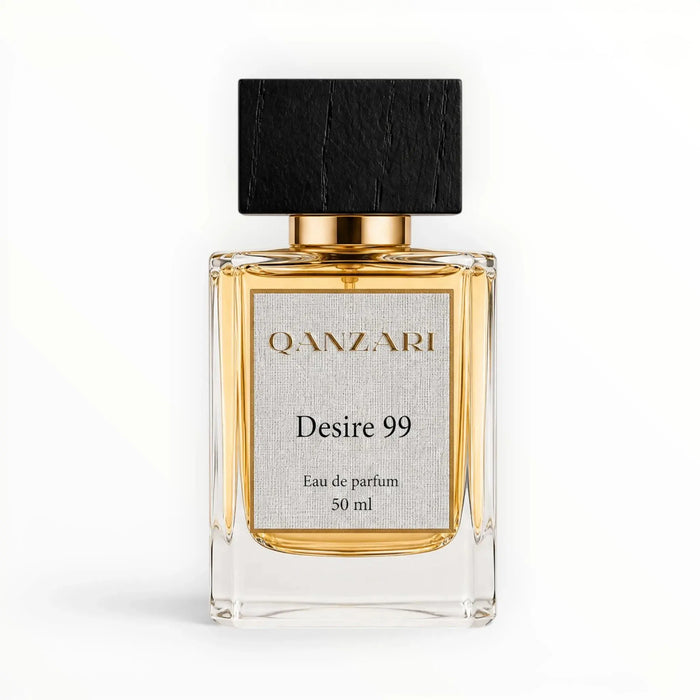
At Qanzari, that philosophy is part of the allure of Arabian-inspired perfumery. Luxury is not only worn. It is remembered.
The right perfume note is never just a note. On the right skin, in the right blend, it becomes presence - quiet, assured, and impossible to mistake.