May 01, 2026
Guide to Perfumes for Humid Climates
Humidity changes everything.
A fragrance that feels polished in cool air can turn heavy, sweet, or strangely flat by midday in tropical weather. That is why a true guide to perfumes for humid climates is not just about picking something strong. It is about choosing a scent that keeps its shape when the air is warm, the skin is damp, and every note is amplified.
For anyone who wants to smell composed rather than overdone, humid weather demands a more thoughtful approach. The right perfume can still feel luxurious, sensual, and lasting. It simply needs the right structure.
What humidity does to perfume
Heat makes fragrance rise faster from the skin. Humidity gives that scent more density in the air, which means notes that seem soft in dry weather may feel louder and closer in tropical conditions. This is why perfumes with sugary fruit, dense florals, or thick gourmand accords can become overwhelming much sooner than expected.
At the same time, freshness can behave differently. Citrus often sparkles beautifully at first in humid air, but some compositions disappear quickly if they are built too lightly. The result is a common frustration: a perfume that opens bright and expensive, then fades before lunch.
This is where balance matters. In humid climates, you do not necessarily want the lightest fragrance in the room. You want one with lift at the top, restraint in the heart, and enough depth in the base to remain elegant rather than loud.
A guide to perfumes for humid climates: what works best
The most flattering perfumes for humid weather usually share one trait: clarity. They smell intentional from the first spray to the dry down, even when heat intensifies them.
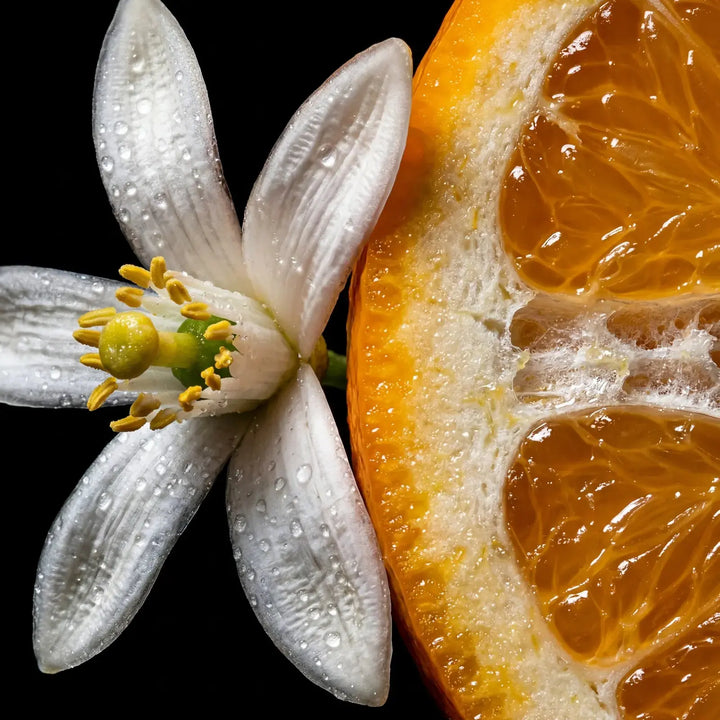
Citrus notes can work beautifully, especially bergamot, grapefruit, lemon leaf, and neroli. They feel clean and radiant in warm air. The trade-off is longevity. If a fragrance leans only on sparkling top notes, it may vanish quickly. That is why the best warm-weather citrus perfumes are anchored by woods, musk, or soft amber.
Aromatic notes also tend to perform well. Lavender, rosemary, sage, and green herbal accords give a fragrance structure and freshness without turning sharp. These notes feel tailored, especially for someone who wants refinement rather than beachy casualness.
White musk is another strong choice. In humidity, musk can create a polished skin-scent effect that feels expensive and close, rather than overpowering. Clean musks, especially when blended with airy woods or subtle florals, hold onto elegance throughout the day.
Then there are woods. Many people assume oud, amber, and vanilla are only for cooler evenings, but that depends entirely on composition. In humid climates, heavy resinous blends can feel too dense. Yet a refined woody base, especially one used with restraint, gives fragrance the staying power that fresh scents often lack. A smooth oud accord, dry cedar, sandalwood, or a sheer amber can be striking in heat when balanced by brighter notes above.
This is where Arabian perfumery has real distinction. It understands richness, but it also understands presence. A well-made scent does not need to shout to last.
Notes to be careful with in humid weather
Some ingredients are not wrong for humidity. They simply require more discretion.
Very sweet vanilla can become sticky in the air, especially during the day. Dense patchouli can turn earthy in a way that feels too thick when the temperature climbs. Heavy rose-oud combinations, while beautiful, may be better suited to evening wear unless they are blended with freshness or spice.
Tropical florals are another case of it depends. Jasmine, tuberose, and ylang-ylang can smell radiant in warm air, but they can also bloom so fully that they dominate everything around them. If you love white florals, look for versions softened by musk, citrus, or green notes.
The real issue is not richness itself. It is saturation. In humid climates, perfume expands faster, so excess sweetness, excess resin, and excess floral density can lose definition.
Concentration matters more than people think
Many shoppers assume the answer to humid weather is lighter fragrance concentration. Sometimes that works. Often it does not.
An eau de cologne may feel refreshing for an hour, then disappear. A well-balanced eau de parfum can actually perform better because it has the depth to remain present after the fresh opening lifts away. The key is not simply choosing a weaker formula. It is choosing a better structured one.
Oil-based perfumes can also perform beautifully in warm climates because they cling to skin with a more intimate sillage. That said, some oils develop with more richness and less lift, so they are often better for evening or for people who prefer a close, sensual aura rather than a bright daytime trail.
If you live in a humid region year-round, it helps to think in terms of wardrobe rather than one signature bottle for every condition. A fresh-woody scent for daytime, a musky amber for evening, and a richer oud for indoor events or cooler nights will serve you better than one fragrance forced into every moment.
How to wear perfume in humidity without overdoing it
Application changes the outcome as much as the perfume itself.
In humid weather, skin is naturally warmer, so fragrance projects more easily. That means you usually need less than you think. Two or three sprays may create more presence than six or seven would in winter. Overspraying does not make a fragrance more luxurious. It often makes it lose its shape.
Placement matters too. If you want a softer effect, spray lower on the body - chest, collarbone, or the back of the neck. Wrists can work, but in hot weather they are exposed to movement, washing, and sunlight, which can shorten wear or make the opening feel sharper.
Clothing can help with longevity, especially breathable fabrics that hold scent gently. Still, some perfumes stain delicate garments, particularly deeper oils and darker juice. A light mist on an inner layer or scarf is often enough.
The smartest approach is restraint first, then adjustment. Wear the scent for a few hours in real conditions before deciding it is too light. Humid air has a way of carrying fragrance farther than you realize.
Choosing a scent profile for day and night
Daytime humidity usually favors brightness and control. Citrus woods, aromatic musks, neroli, green tea, and soft marine notes feel clean, elegant, and composed. These profiles suit work, travel, and long afternoons when you want freshness with polish.
Evening opens the door to more texture. This is when amber, oud, saffron, vanilla, and spice can become magnetic rather than heavy, especially if the sun has dropped and indoor spaces are air-conditioned. A warm night can carry sensual notes beautifully, but precision still matters. The best evening perfumes in humidity feel smooth and tailored, not syrupy.
For formal settings, woody musk and restrained amber often outperform very sweet scents. They leave an impression of confidence and taste. They linger in a memorable way without taking over the room.
How to test perfume for a humid climate
Testing on paper is only the beginning. Humidity reveals the truth on skin.
When you sample a fragrance, wear it on a warm day if possible. Pay attention to the first thirty minutes, but judge it more seriously after two to four hours. Ask yourself whether the perfume still feels clean, whether the sweetness has grown too dense, and whether the base remains elegant.
This is especially important with luxury fragrances built on oud, musk, amber, or vanilla. These notes can be magnificent in heat when they are balanced well. They can also become oppressive if the composition lacks air.
A good humid-climate perfume should evolve with grace. It should open clearly, settle smoothly, and stay refined even when your surroundings are warm and active.
The fragrance style that usually wins
If there is one pattern that consistently works, it is contrast.
Fresh top notes with a sensual base. Clean musk with woods. Citrus with amber used sparingly. Oud made smoother by herbs or bright spice. Vanilla sharpened by dry woods rather than wrapped in sugar. These combinations keep their dignity in difficult weather.
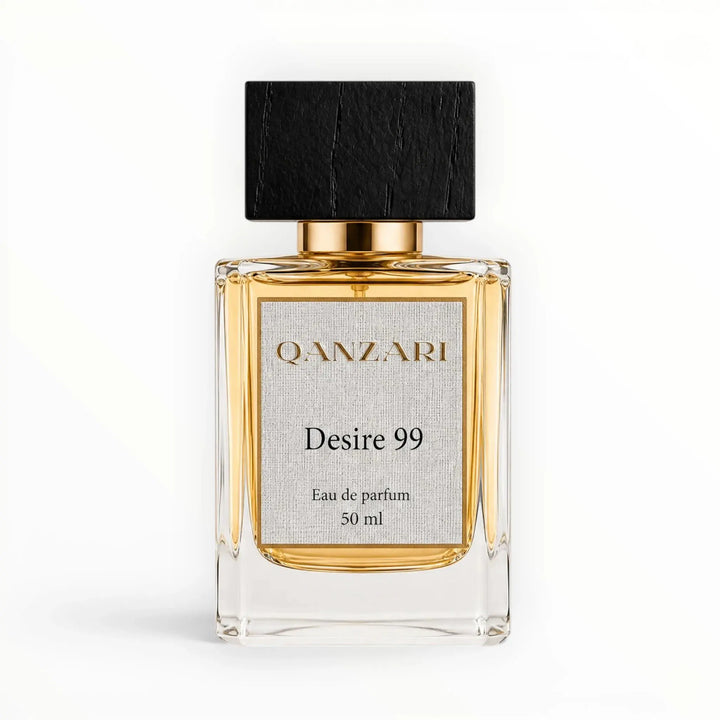
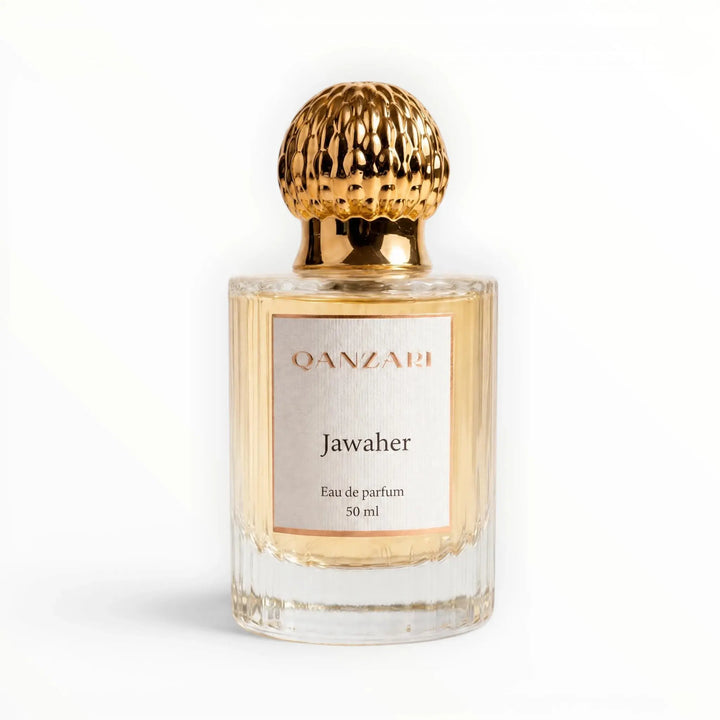
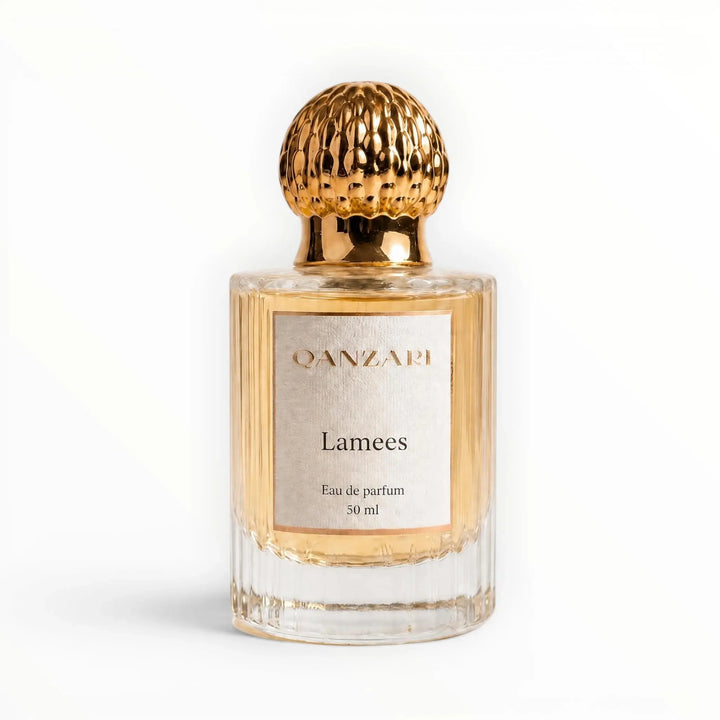
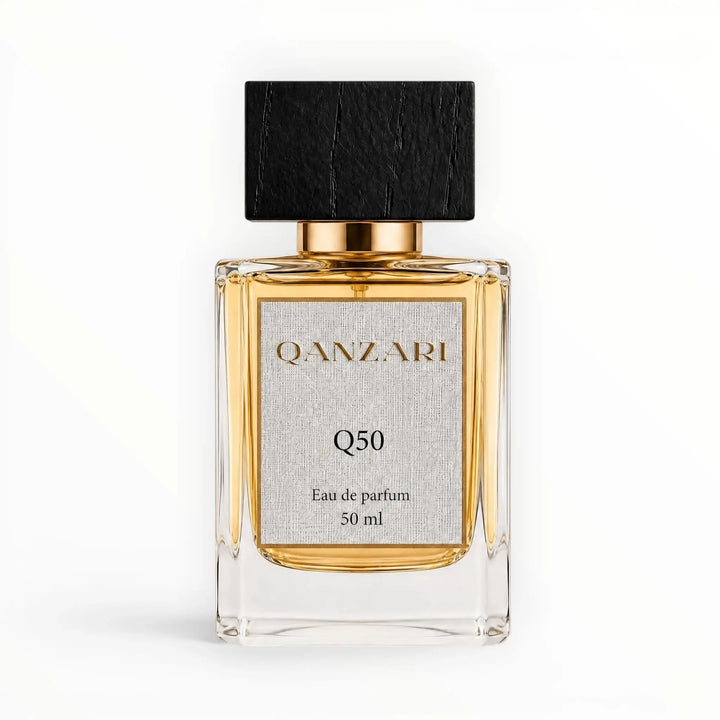
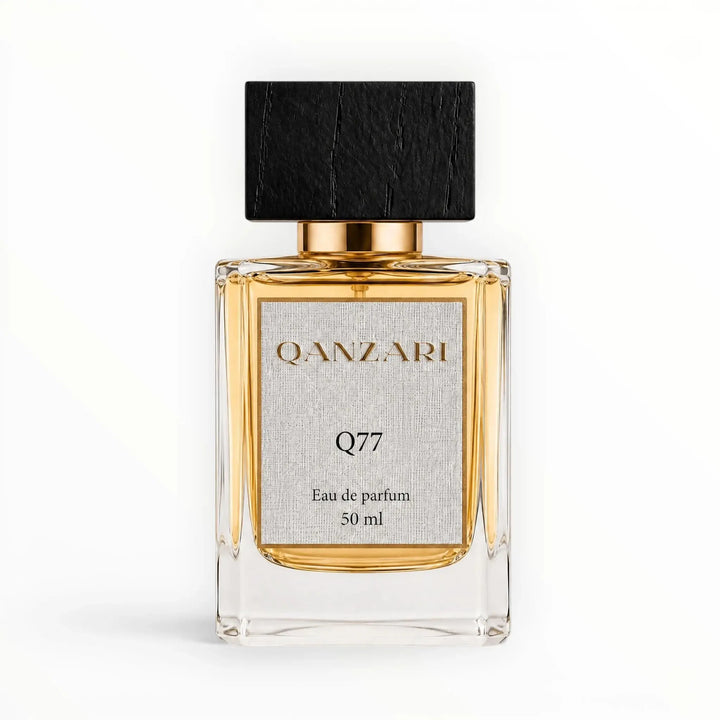
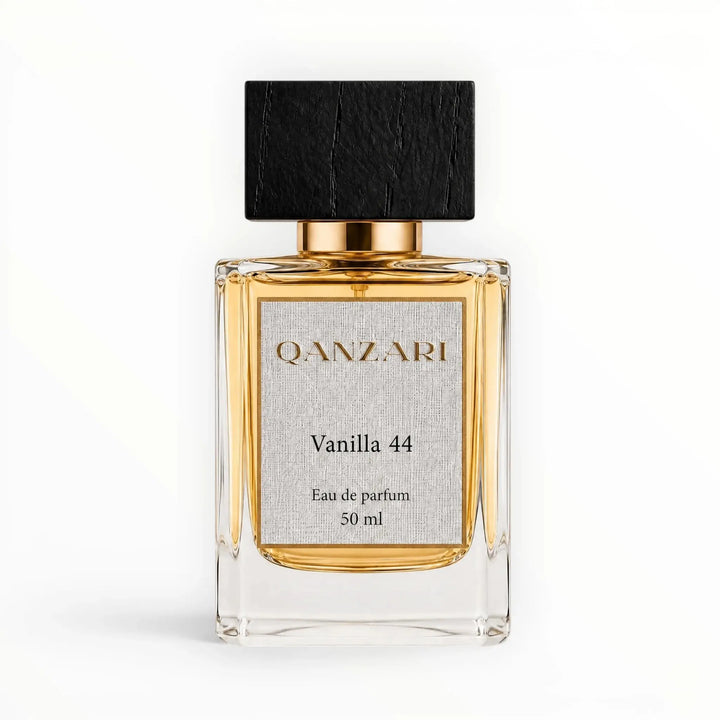
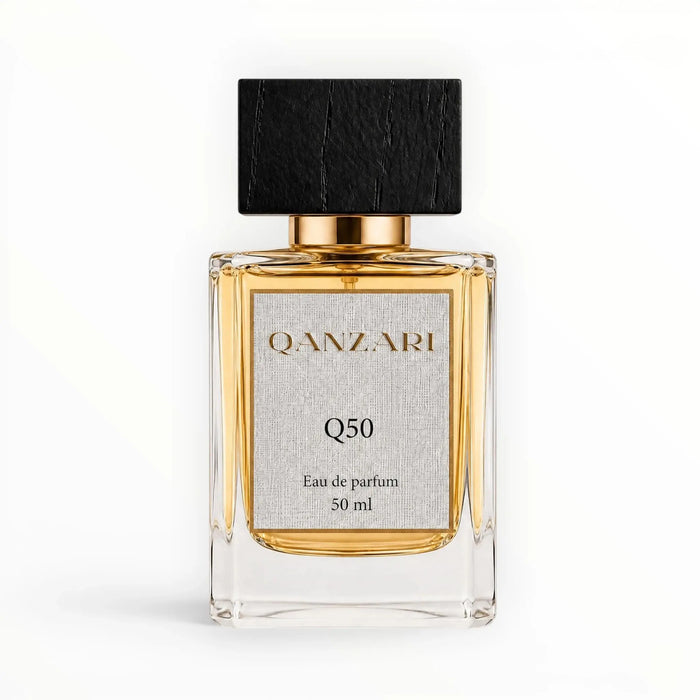
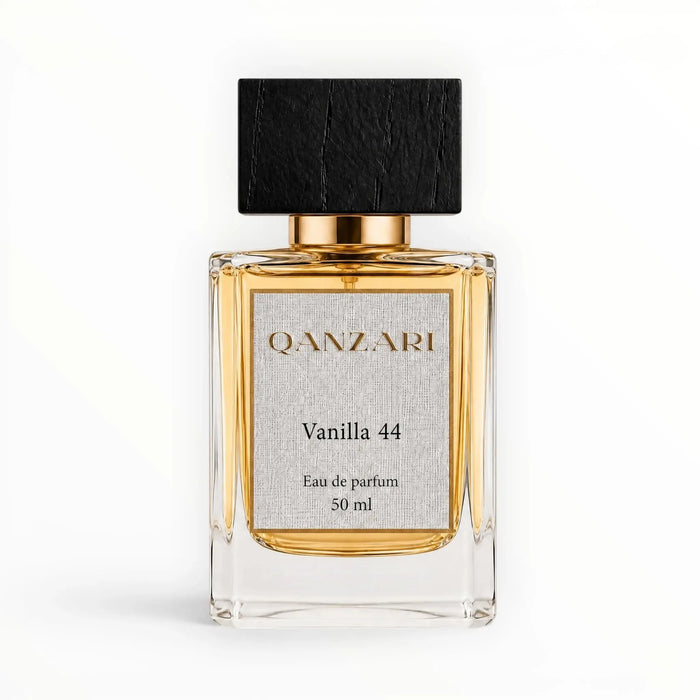
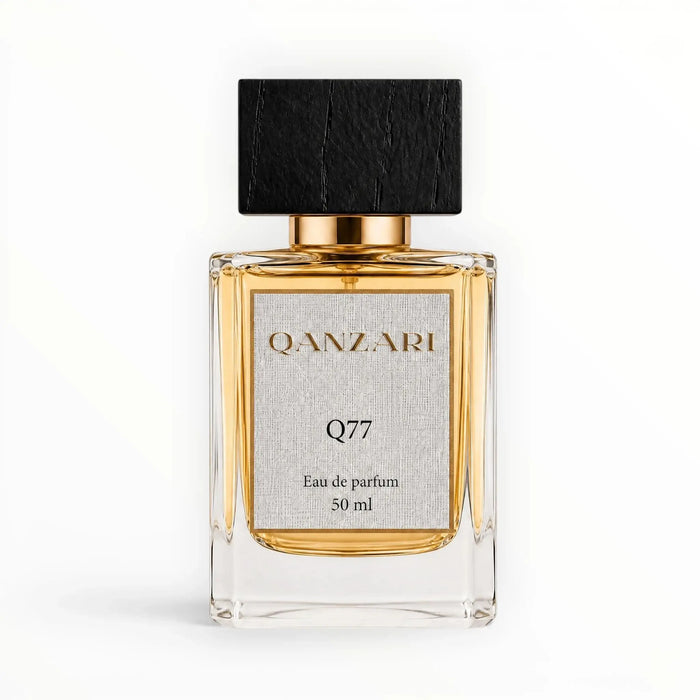
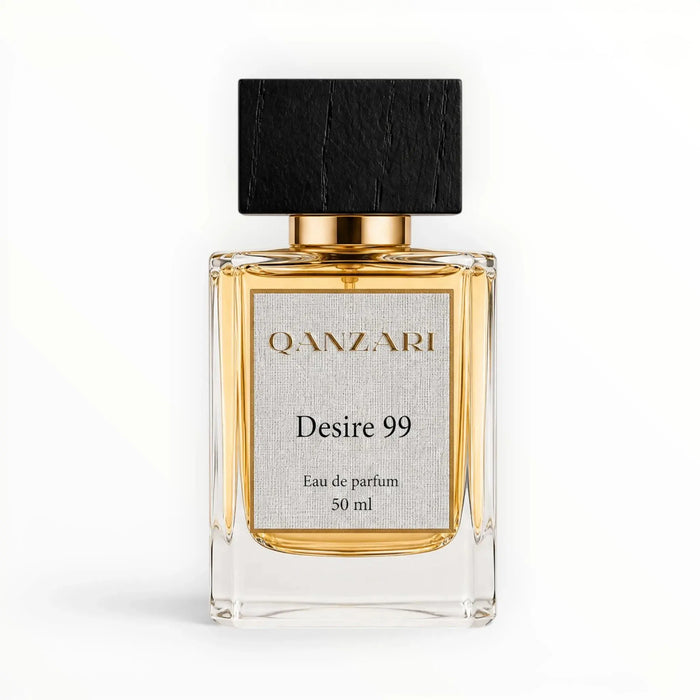
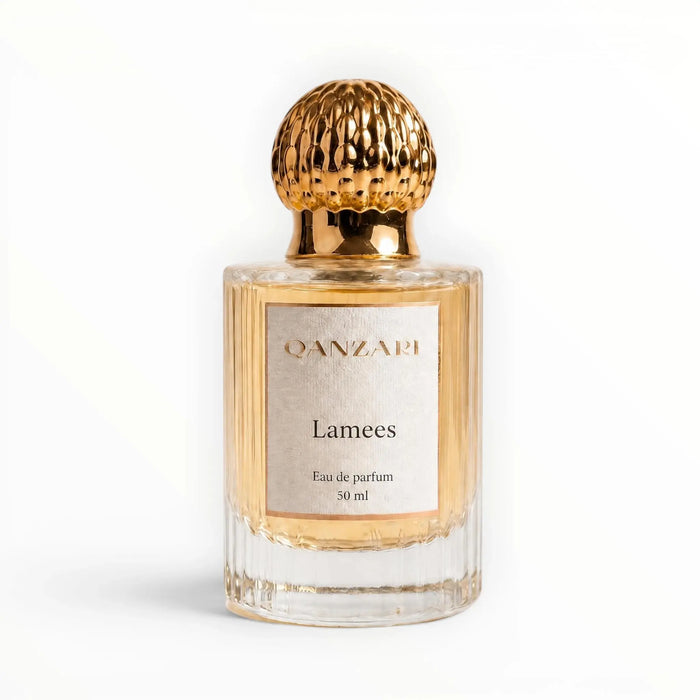
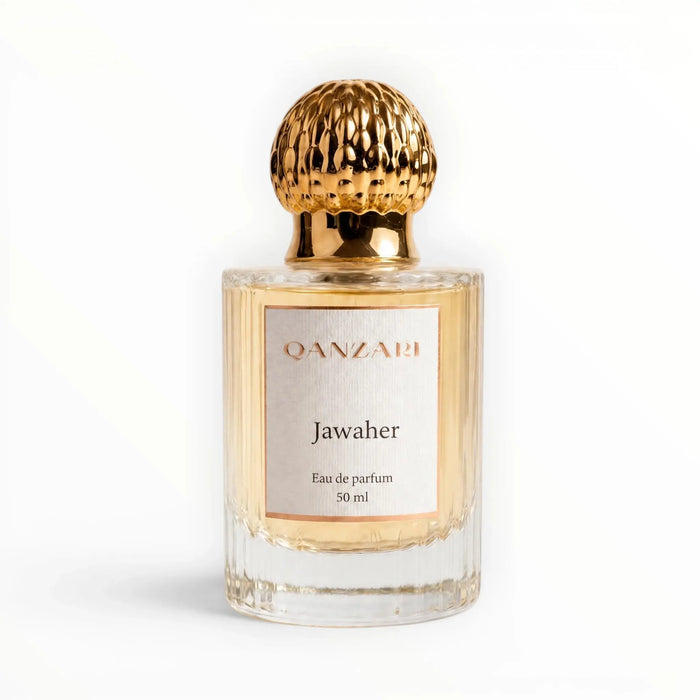
That is part of what makes modern Arabian-inspired perfumery so compelling for warm regions. When crafted with discipline, it offers both longevity and character. It gives you richness without heaviness, presence without excess, and a signature that remains unmistakable in the heat. Qanzari speaks naturally to that balance, where heritage notes are shaped for contemporary wear.
The best perfume for humidity is not necessarily the freshest or the strongest. It is the one that stays beautiful after the air has changed it.
Choose scent the way you choose tailoring in warm weather - light where it should breathe, structured where it should hold, and refined enough to leave a lasting impression without asking for attention.