June 16, 2026
Middle Eastern Perfume That Leaves a Mark
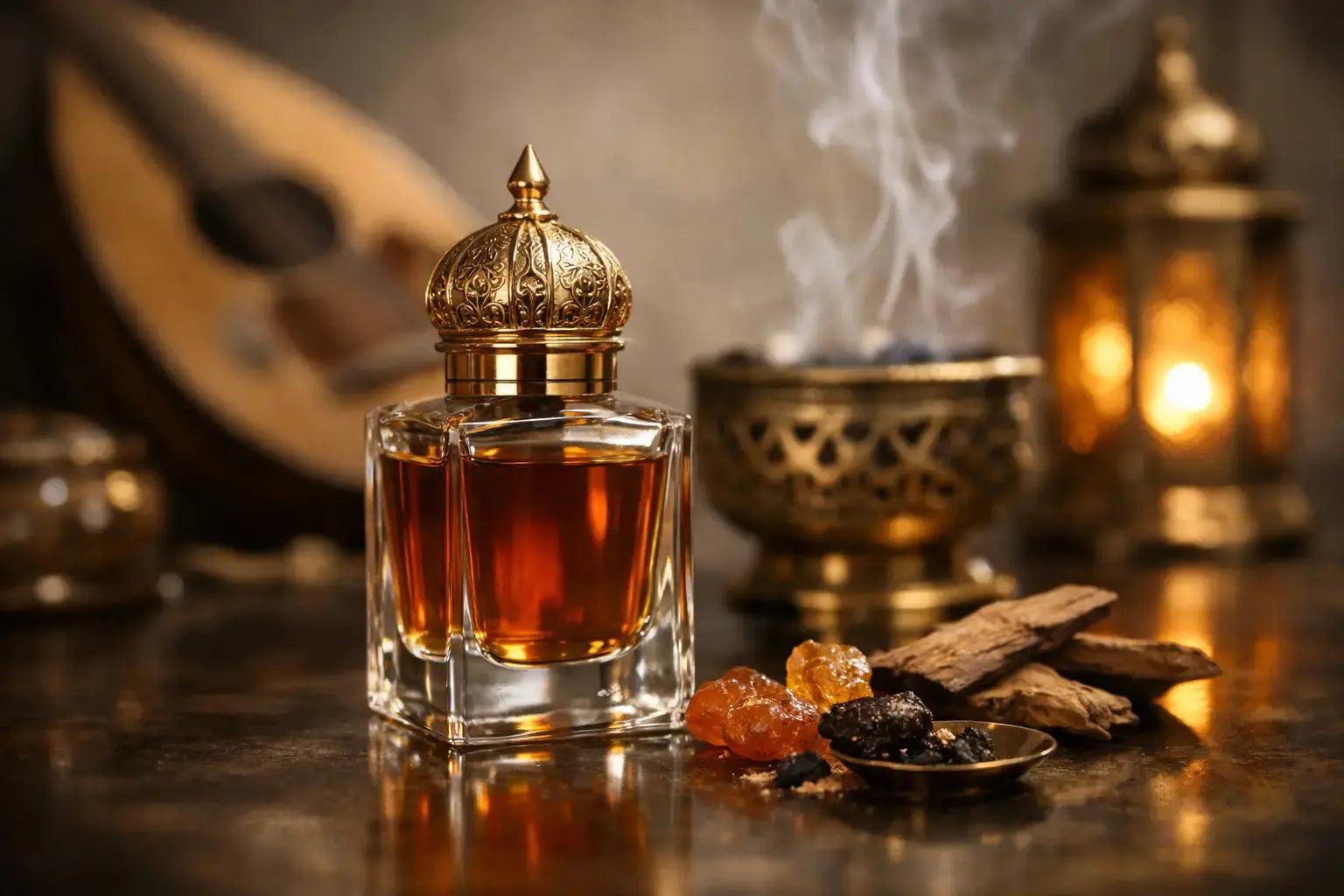
A great fragrance should do more than smell expensive for an hour. It should settle into the skin, move with warmth, and leave behind a presence people remember. That is where middle eastern perfume stands apart. It is not built to disappear politely. It is created to linger, evolve, and carry character from the first spray to the final trace on a cuff or collar.
For many fragrance lovers in the US, that distinction is exactly the appeal. After years of airy, interchangeable scents, more people are looking for perfume with depth, texture, and identity. Middle Eastern perfumery offers that in abundance. It is heritage-rich, often bolder than Western mainstream releases, and deeply tied to ingredients that feel sensual, warm, and unmistakably luxurious.
What makes middle eastern perfume different
At its heart, middle eastern perfume is shaped by tradition, climate, and ritual. In the Gulf and across the wider Arab world, fragrance has long been part of daily presentation. It is not treated as an afterthought. It is part of how one enters a room, greets guests, marks an occasion, and expresses taste.
That cultural foundation changes the way perfume is made. Instead of chasing only brightness or freshness, many Arabian-inspired scents are built around richness and longevity. Oud, amber, musk, rose, saffron, incense, sandalwood, and vanilla often take center stage. These notes do not simply sit on top of the skin. They melt into it, creating a scent trail that feels intimate up close and commanding from a distance.
There is also a strong relationship between perfume and heat. In hotter climates, fragrance behaves differently. Notes bloom faster, sweetness can feel heavier, and weak compositions vanish quickly. That is one reason many perfumes inspired by Middle Eastern traditions are structured for staying power. They are often denser, more concentrated, and more deliberate in their dry down.
The notes that define the experience
If you are new to this category, the ingredients can seem dramatic on paper. In wear, they are far more nuanced.
Oud
Oud is the note many people associate first with Arabian perfumery. It has depth, gravity, and unmistakable presence. Depending on the composition, oud can read smoky, woody, leathery, resinous, or smooth. Some versions are challenging for beginners, while others are polished and elegant, softened by vanilla, amber, or rose.
Amber and musk
Amber adds warmth and glow. Musk adds skin-like softness, sensuality, and persistence. Together, they form the kind of base that gives a fragrance its lasting signature. These are not flashy notes, but they are often the reason a perfume feels expensive and memorable hours later.
Rose, saffron, and spice
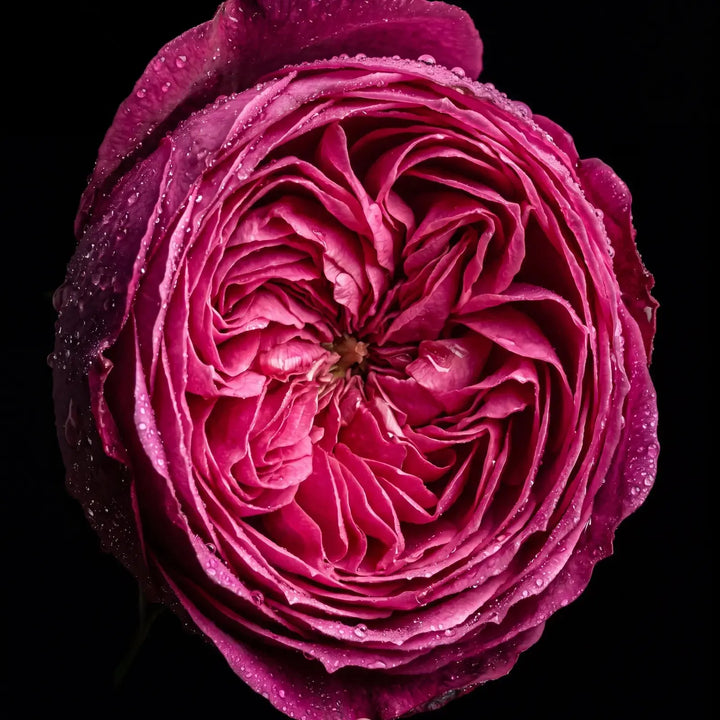
Rose in Middle Eastern fragrance is rarely shy or powdery in the old-fashioned sense. It is often velvety, deep, and paired with woods or resins. Saffron brings texture and a golden warmth. Cardamom, cinnamon, and pepper can add movement without making a scent feel busy.
Vanilla and woods
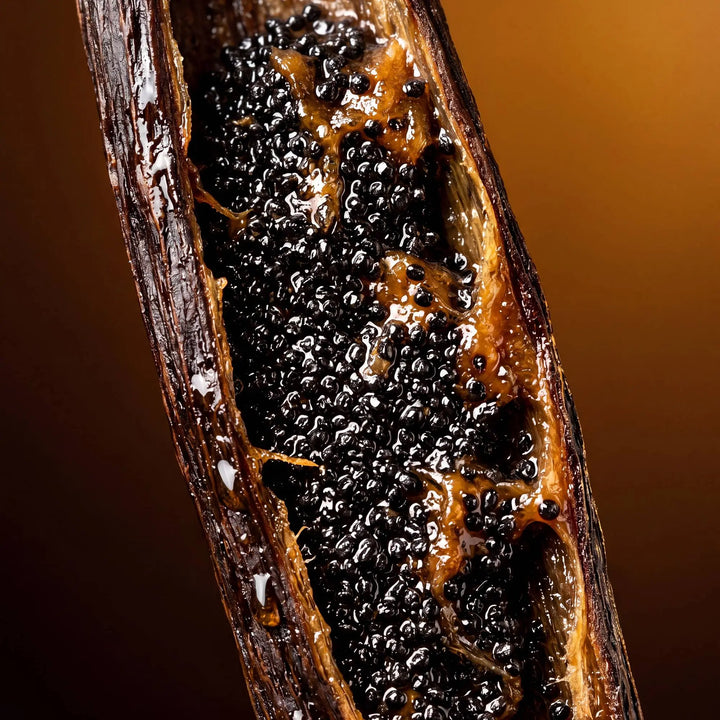
Vanilla plays a different role here than it does in many mainstream gourmands. Rather than feeling sugary, it often acts as a smooth counterpoint to smoke, spice, or oud. Woods such as sandalwood and cedar help create structure, turning sweetness into something more refined.
Why longevity matters so much
Luxury in fragrance is not only about the first impression. It is about the full life of the scent. A perfume that opens beautifully and disappears before lunch rarely feels satisfying, especially if you want a signature scent.
Middle eastern perfume is often prized because it holds its shape. That does not mean every bottle projects loudly for twelve hours. Performance still depends on ingredients, concentration, skin chemistry, and weather. But in general, these fragrances are designed with endurance in mind.
That endurance matters even more in warm climates, where fresh citrus blends can burn off quickly. Richer compositions built around amber, musk, oud, and vanilla tend to wear with more confidence. They stay close when they should, radiate when the heat lifts them, and leave a cleaner, more complete impression over time.
How to choose the right middle eastern perfume
The biggest mistake is assuming all Arabian-inspired scents are intense to the point of being difficult. Some are, and some are proudly so. But many are balanced, smooth, and surprisingly versatile.
Start by thinking about the impression you want to leave. If you prefer tailored elegance, look for woods, amber, and musk with a restrained touch of spice. If you want something more seductive, oud and vanilla can create remarkable depth. If you enjoy florals but want more presence than a typical designer perfume offers, rose with saffron or incense can feel rich without becoming overwhelming.
Season matters, but not in a rigid way. Dense oud-heavy fragrances can be magnificent in cooler weather or evening settings. In daytime heat, an amber-musk composition with lighter woods may feel more polished. The best choice depends on your style, your setting, and how close you want the fragrance to wear.
It also helps to be honest about familiarity. If you are just beginning, you may want a scent that introduces oud or incense gently rather than making them the loudest voice in the room. If you already love resinous, smoky, or spicy compositions, you can move toward bolder structures with more confidence.
Middle Eastern perfume for modern wear
One of the most exciting things about this category is how well tradition and modern luxury can coexist. The best contemporary expressions do not copy the past in a museum-like way. They respect heritage while refining it for today's wearer.
That might mean an oud fragrance with a cleaner finish, a rose-amber blend with more transparency, or a vanilla-musk base that feels sleek rather than overly sweet. The result is perfume with soul and structure, but also polish. It feels appropriate with a dark suit, a white shirt, evening tailoring, or a sharply edited everyday wardrobe.
For US shoppers, this balance is especially appealing. Many want fragrance that feels distinctive without becoming costume-like. They want richness, but also wearability. They want a scent with cultural depth and a modern edge. That is exactly why well-crafted Arabian-inspired perfume continues to attract attention far beyond its place of origin.
Why quality matters more than hype
In a crowded fragrance market, dramatic note lists can be misleading. Not every perfume with oud, amber, or musk will smell refined. Raw materials, blending skill, and concentration make the difference between a scent that feels opulent and one that feels heavy-handed.
A quality fragrance unfolds with control. The sweetness does not become sticky. The woods do not turn harsh. The musk does not flatten everything into one generic base. Instead, each note supports the next, creating movement from opening to dry down.
This is where craftsmanship rooted in the UAE carries real value. Perfumery shaped by regional knowledge understands how these ingredients should behave, not just how they should sound in marketing. When the formula is right, the effect is unmistakable - powerful, elegant, and composed.
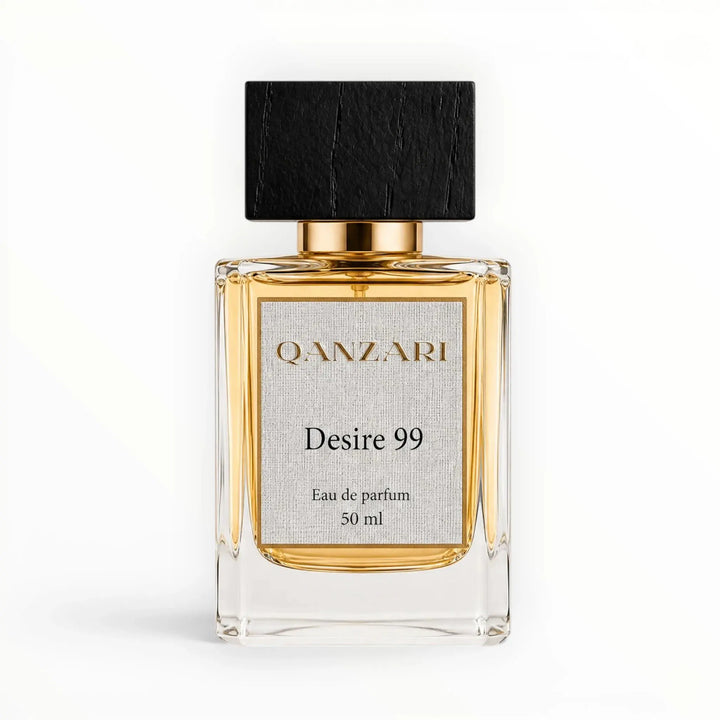
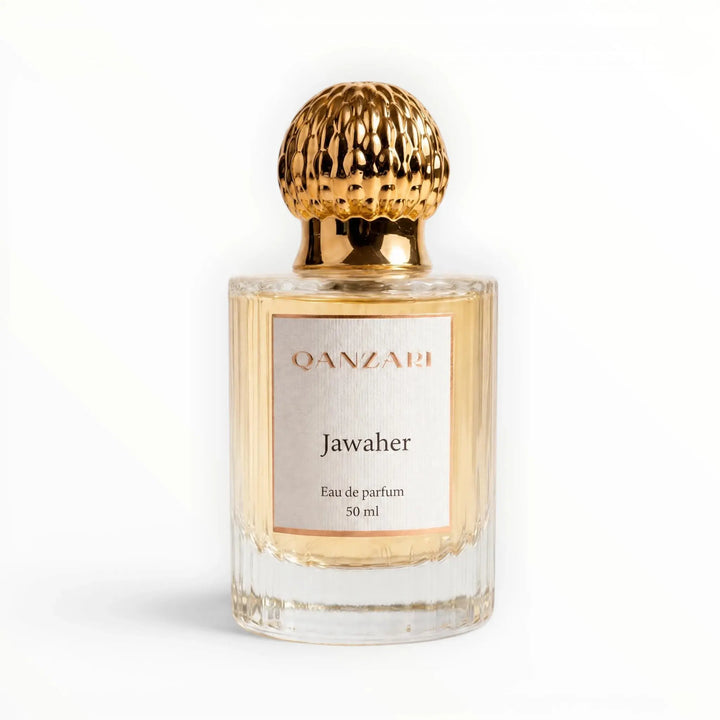
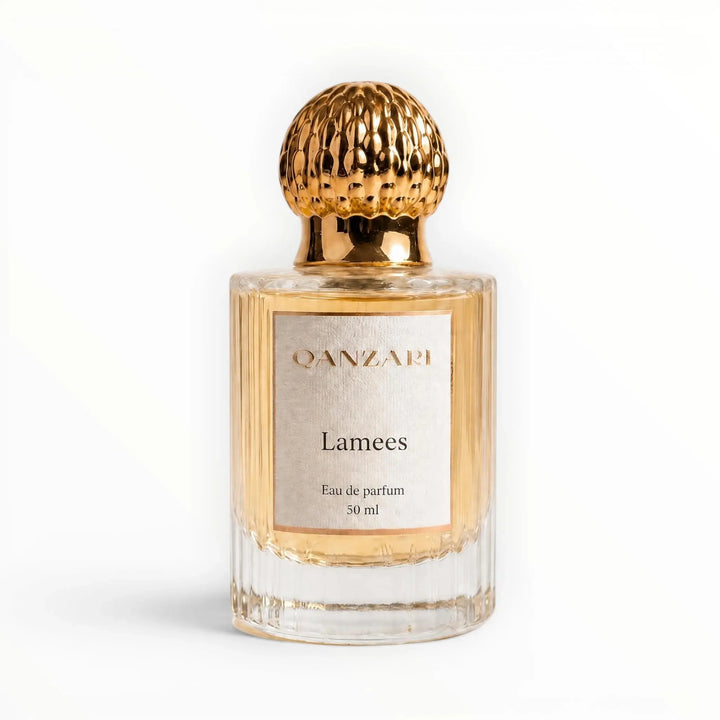
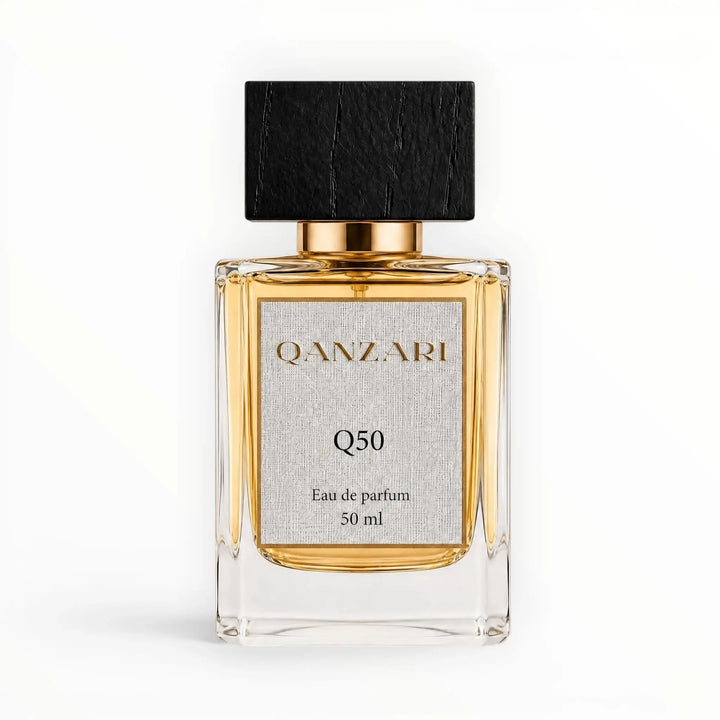
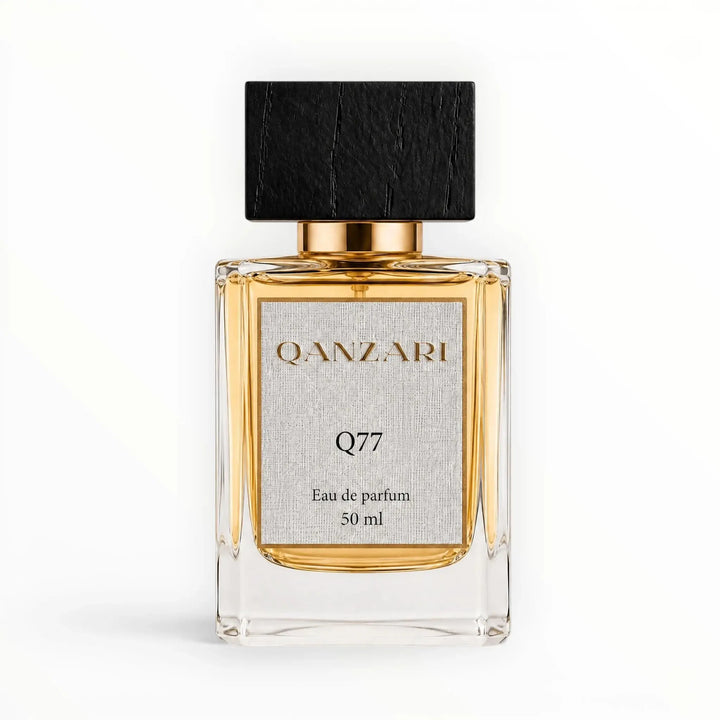
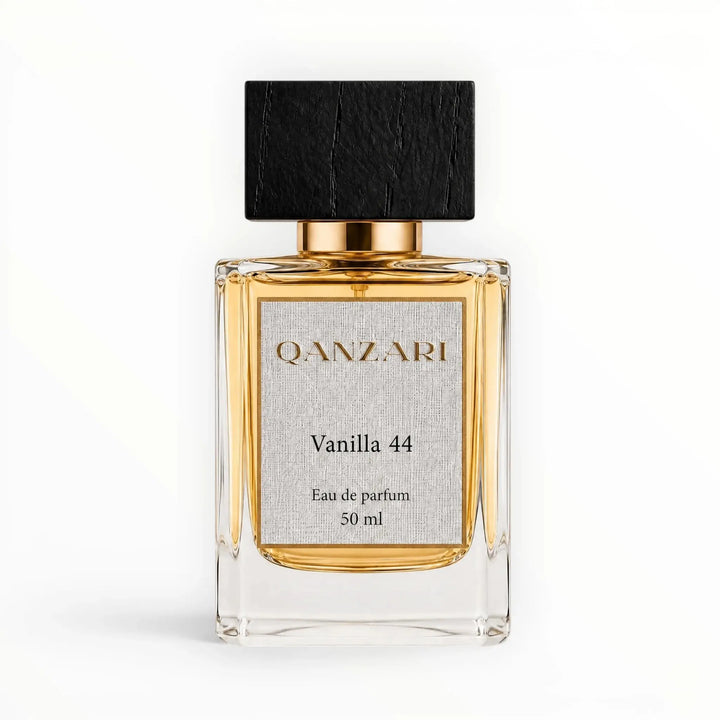
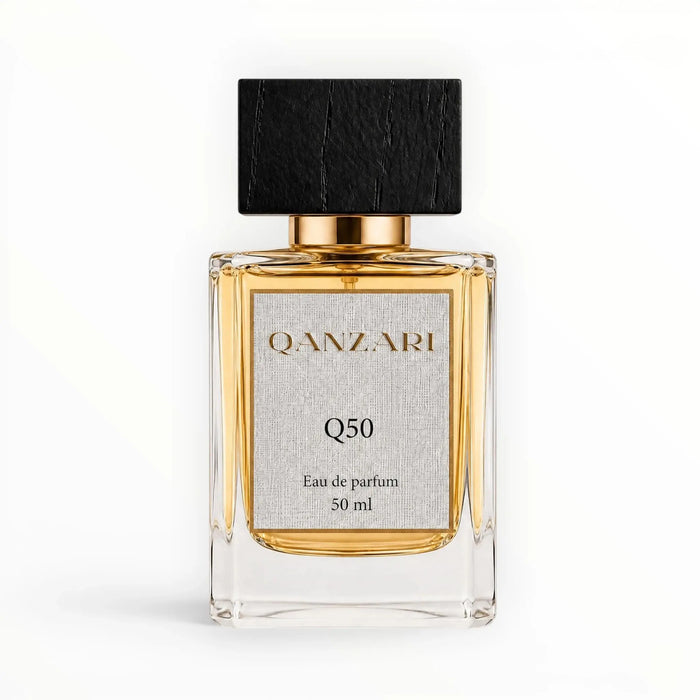
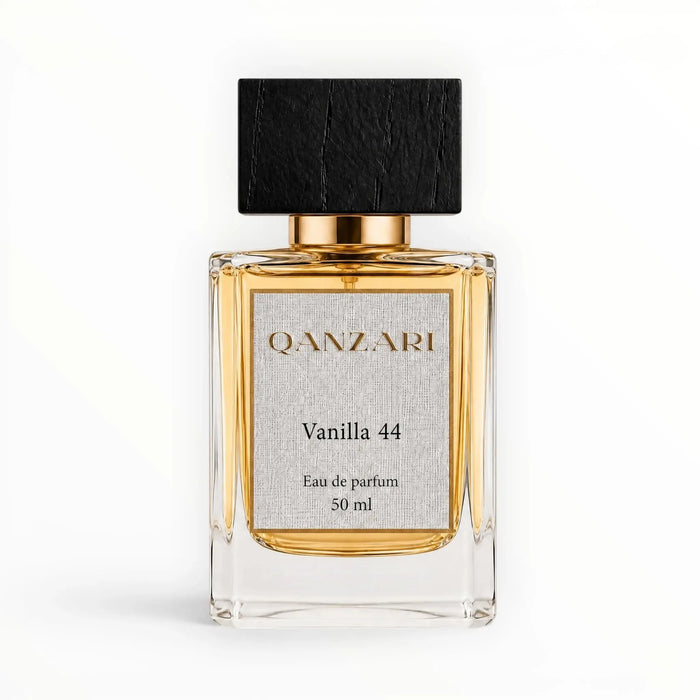
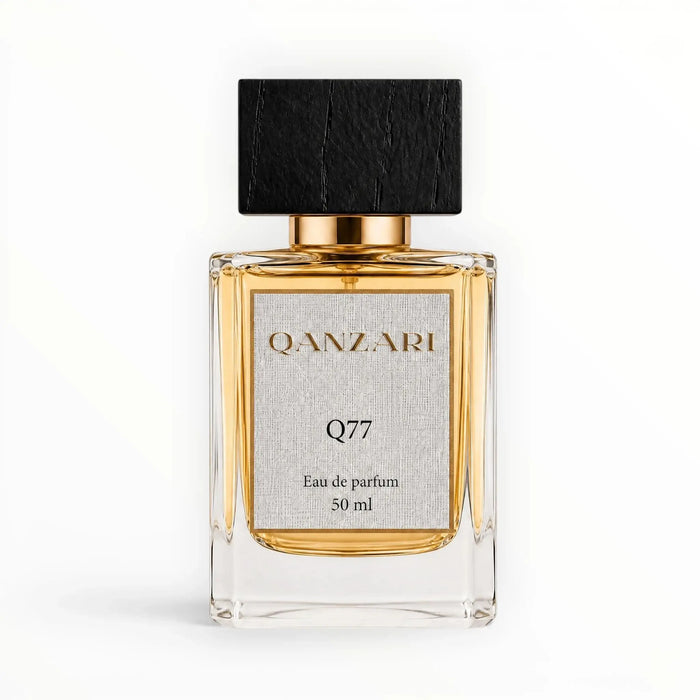
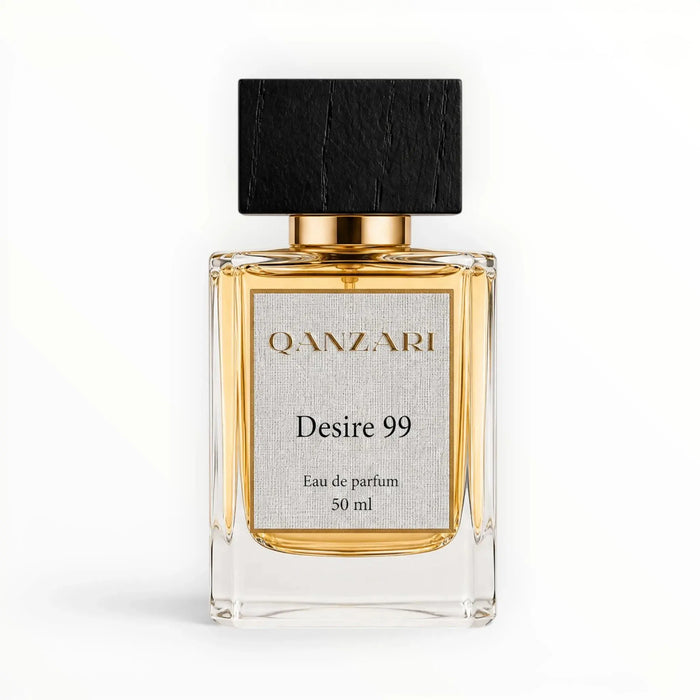
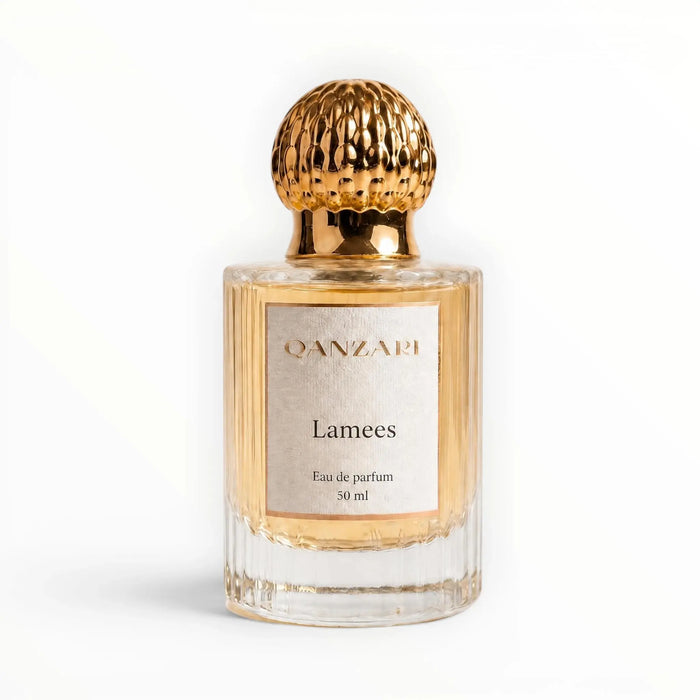
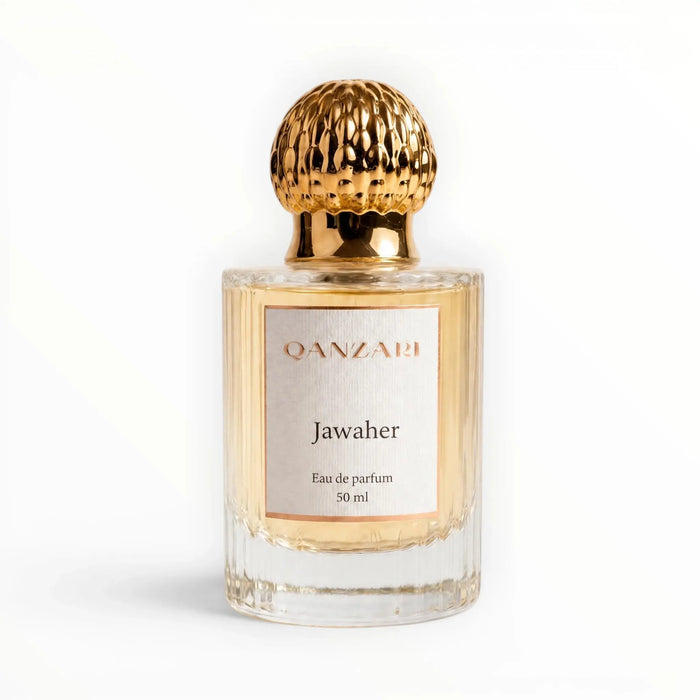
Qanzari reflects that approach through fragrances inspired by Arabian heritage and crafted for lasting performance, offering the kind of presence that feels luxurious from first spray to final dry down.
Wearing it well
The beauty of a richer perfume is that you do not need to overspray. A few well-placed applications on pulse points, fabric, or layered over moisturized skin are often enough. Heavier compositions bloom over time, especially in warmth, so restraint usually creates a better result than volume.
It is also worth giving the fragrance a full wear before judging it. Middle Eastern styles often reveal their true character later, once the sharper top notes settle and the base begins to glow. What feels bold in the first ten minutes may become smooth, magnetic, and deeply personal after an hour.
That patience is part of the pleasure. These are not fragrances built only for instant approval. They are built to become part of your presence.
A memorable perfume should feel like a signature, not a trend. When you find the right middle eastern perfume, you are not just choosing a scent profile. You are choosing atmosphere, heritage, and the quiet confidence of leaving something behind after you have gone.