June 18, 2026
How to Identify Quality Oud
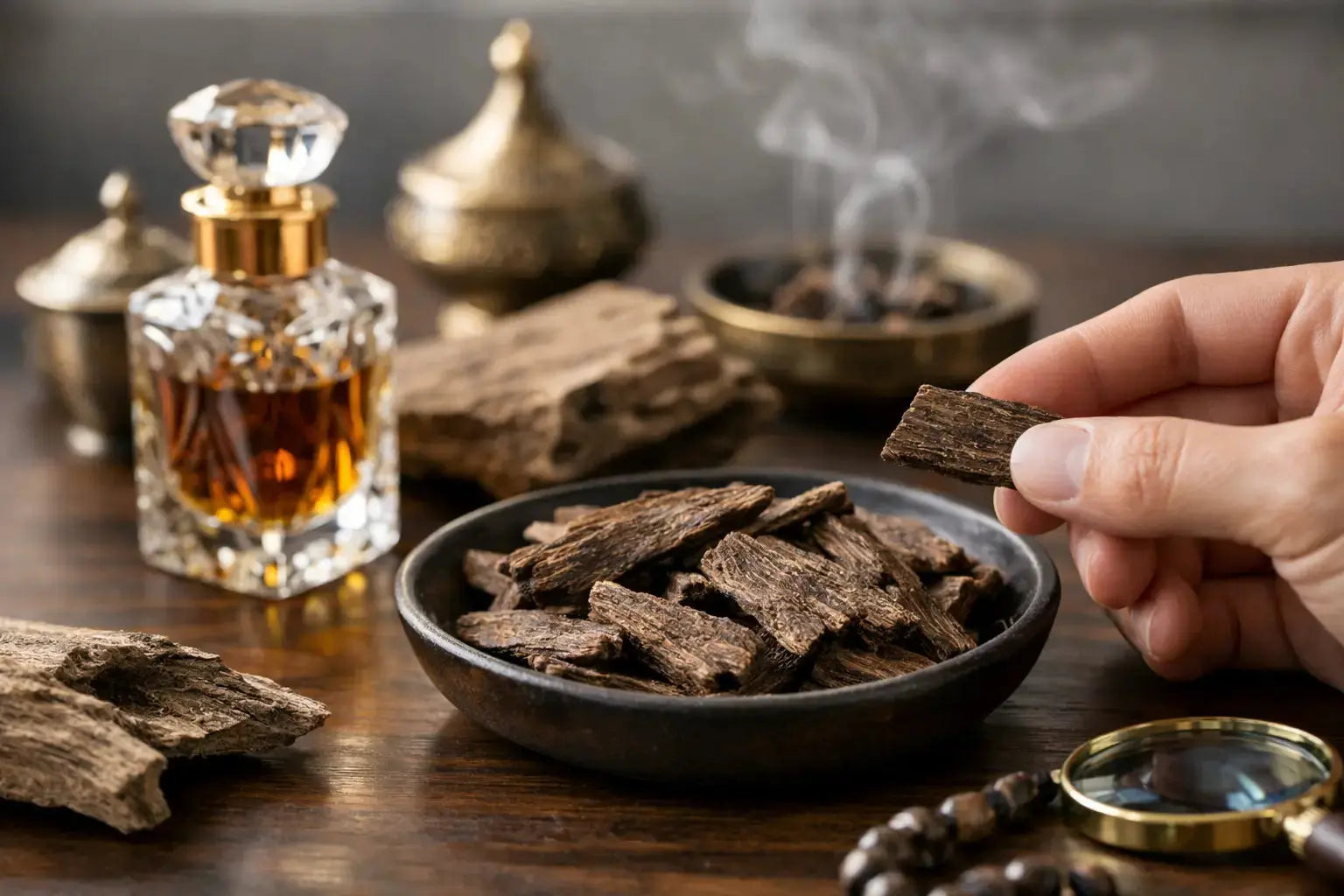
A fine oud does not ask for attention - it commands it. The moment it touches skin, you can tell whether you are meeting something rare and composed or something loud, flat, and hurried. If you want to know how to identify quality oud, the answer begins with restraint. Real quality never smells chaotic.
Oud carries weight in perfumery because it is more than a note. It is heritage, craft, and atmosphere. In Arabian fragrance, oud has long been associated with hospitality, ceremony, and presence. But as its popularity has grown worldwide, the market has become crowded with interpretations that range from exquisite to overly synthetic. That makes a trained nose and a little knowledge far more valuable than marketing language.
How to Identify Quality Oud by Scent
The first test is the opening. Quality oud does not hit you with one harsh idea and stay there. It unfolds. You may notice a woody darkness first, then warmth, then smooth resin, leather, spice, smoke, or even a faint sweetness. The shape of the scent matters as much as the scent itself.
Cheap oud impressions often feel sharp from the first second. They can smell medicinal in a blunt way, metallic, or aggressively smoky without any softness underneath. That does not mean all intense oud is poor quality. Some styles are naturally bold. The difference is balance. High-quality oud has depth, even when it is powerful.
A good oud also changes elegantly on skin. It should not collapse into a generic woody note after twenty minutes. Instead, it evolves with control. The dry-down may become creamy, ambery, musky, or slightly sweet, but it should still carry its identity. When the scent remains coherent from opening to dry-down, that is often a sign of better raw materials and more thoughtful blending.
Natural complexity matters
One of the clearest signs of quality is complexity that feels natural rather than engineered. Real oud can be earthy, animalic, balsamic, smoky, green, or softly sweet, sometimes all within the same wear. This is part of its beauty. It should feel layered, not confused.
If a fragrance says oud but smells like burned wood, rubber, or a single sharp synthetic accord, be cautious. Many modern oud perfumes use aroma molecules, and that alone is not a flaw. In fact, some are beautifully made. But when the blend lacks nuance, the result feels thinner and less distinguished.
Source tells part of the story
Oud does not come from one place or smell one way. Its profile depends heavily on origin, species, age, extraction, and blending. Cambodian oud can lean sweeter and rounder. Indian oud can be darker, deeper, and more animalic. Some Southeast Asian ouds feel airy and resinous, while others are dense and shadowy.
Knowing the origin does not guarantee quality, but transparency is a good sign. Brands that respect oud tend to speak clearly about the style they are offering, whether it is pure oud oil, an oud-centered blend, or a modern interpretation inspired by traditional profiles. Vague claims and dramatic wording without substance usually deserve skepticism.
Price also enters the conversation, though not in a simplistic way. Genuine oud is expensive because the raw material is rare and labor-intensive. If something is presented as pure, high-grade oud at a suspiciously low price, the story likely does not hold. At the same time, a high price does not automatically mean excellence. Packaging can be luxurious while the formula remains ordinary. Quality lives in the scent, not only the bottle.
Color, texture, and concentration
When you are evaluating pure oud oil rather than an oud perfume, appearance can offer clues. High-quality oud oil is usually viscous and rich, but not every excellent oil looks the same. Some are dark brown and dense, while others appear golden or amber depending on origin and distillation style.
That is why color alone should never decide the matter. Very dark oil is not always better, and very light oil is not always diluted. Texture, however, can be revealing. A refined oud oil often feels smooth and substantial when applied. If it seems watery, overly thin, or oddly greasy without richness, quality may be lower.
For perfume blends, concentration matters more than color. An oud fragrance with a high oil concentration tends to wear with more presence and grace, especially in warm climates. It settles into the skin with confidence rather than flashing brightly and disappearing.
Performance should feel polished
Longevity is often treated as the only measure of quality, but that is too narrow. A heavy fragrance can last a long time and still smell crude. Better oud tends to project with elegance. It leaves a trail, but not a cloud of noise.
On skin, quality oud should maintain definition for hours. You should still recognize the structure of the scent well into the wear. If the fragrance becomes muddy, sour, or flat too quickly, it may rely on lower-grade materials or an imbalanced formula.
This is especially important for buyers in hot climates. Heat amplifies everything. A refined oud rises beautifully in warmth, revealing richness without turning harsh. A poor one can become overwhelming fast.
How to identify quality oud in a finished perfume
Many people are not shopping for raw oud oil. They want a finished fragrance with oud at its center. In that case, quality comes from both the ingredient and the composition around it.
Start by asking what role the oud plays. Is it meant to dominate, or does it support notes like amber, saffron, rose, vanilla, musk, or sandalwood? A well-made oud perfume does not hide weak formulation behind the word oud. Every surrounding note should serve the composition.
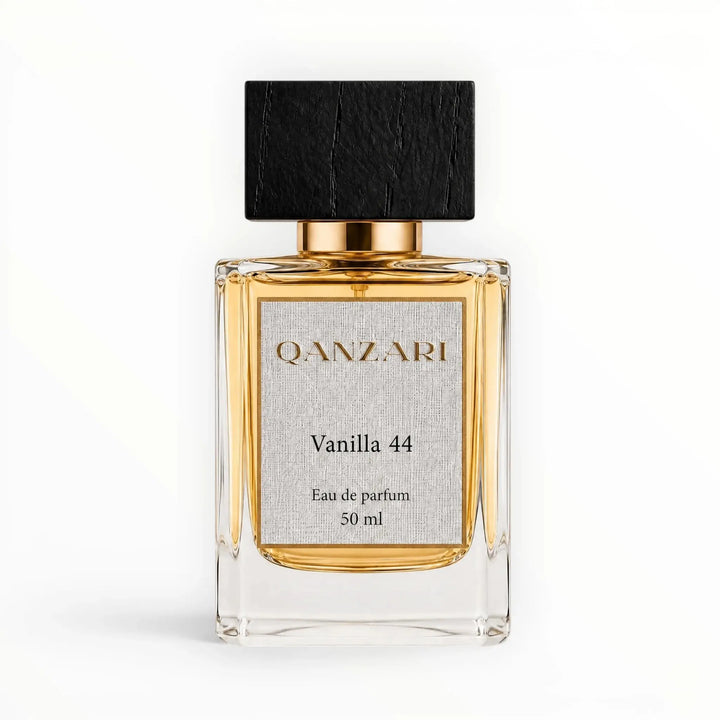
The best blends feel intentional. Rose and oud, for example, should create a contrast between velvet and depth, not two separate scents competing. Vanilla and oud should add warmth and polish, not turn the fragrance sugary and generic. When the composition feels seamless and distinctive, that is where luxury begins.
A house with strong fragrance standards will also avoid making oud feel like costume. Good oud should feel wearable, memorable, and grounded in identity. It can absolutely be modern, but it should still carry dignity.
Common signs of low-quality oud
A few warning signs appear again and again. One is excessive harshness with no evolution. Another is a plastic or burnt-rubber effect that overwhelms everything else. Some low-grade oud accords smell dusty and hollow, as if the fragrance is trying to imitate depth rather than deliver it.
Be wary of scents that announce oud loudly but offer little detail once worn. If all you get is smoke, sweetness, or blunt woodiness, the material may be simplistic. Quality oud creates an impression that lingers in the memory because it has character.
Presentation can also distract from substance. Gold packaging, ornate language, and references to rarity do not prove anything on their own. If the scent itself feels ordinary, no story can elevate it.
Trust your skin, not only the blotter
Oud behaves differently on paper than it does on skin. On a blotter, it may smell drier, smokier, or flatter. On skin, warmth brings out texture and movement. This is why the final decision should never be rushed.
Wear the fragrance for several hours. Notice whether the opening settles beautifully or becomes tiring. Pay attention to whether the oud reveals layers or loses shape. Ask yourself a simple question: does this smell expensive in the way true luxury does - composed, confident, and unforgettable?
That last point matters. Quality is not always about intensity. Sometimes the finest oud is the one that stays close, rich and intimate, revealing itself in waves. Sometimes it is bold and ceremonial. It depends on style, concentration, and personal taste. But in every case, quality feels deliberate.
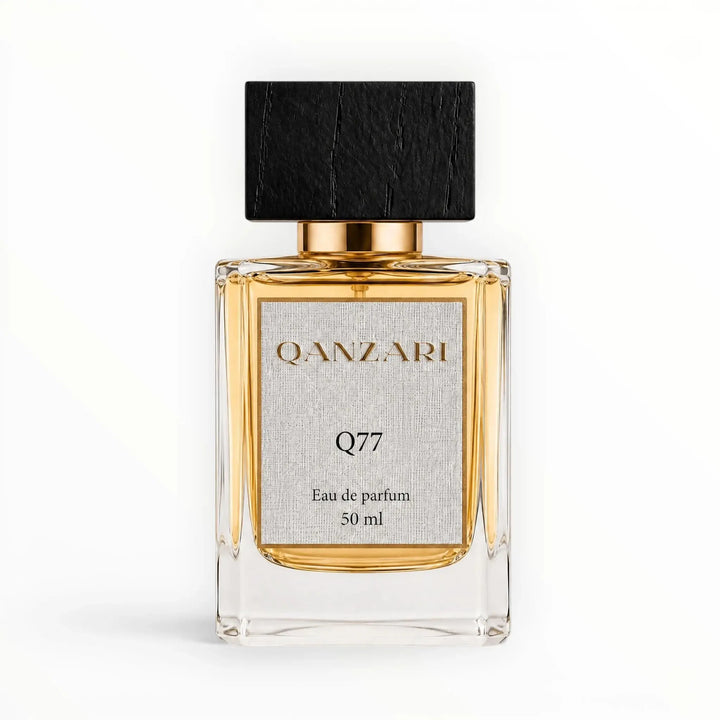
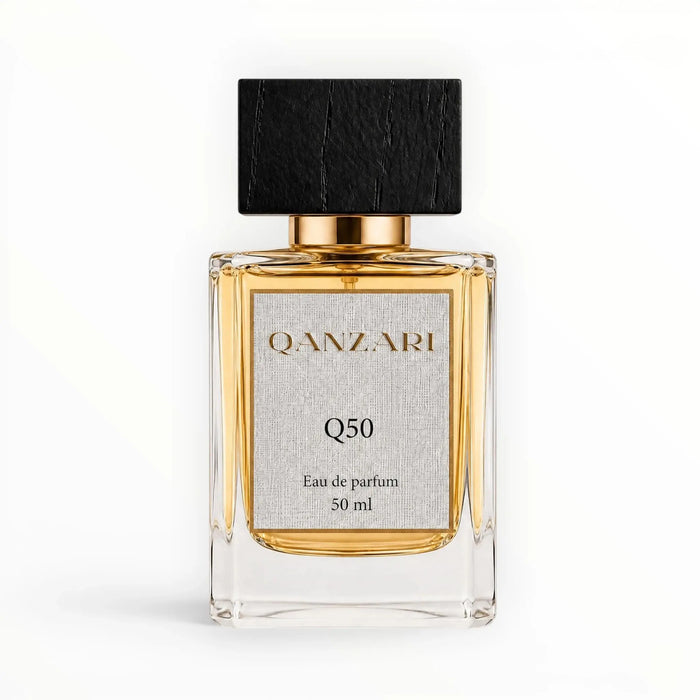
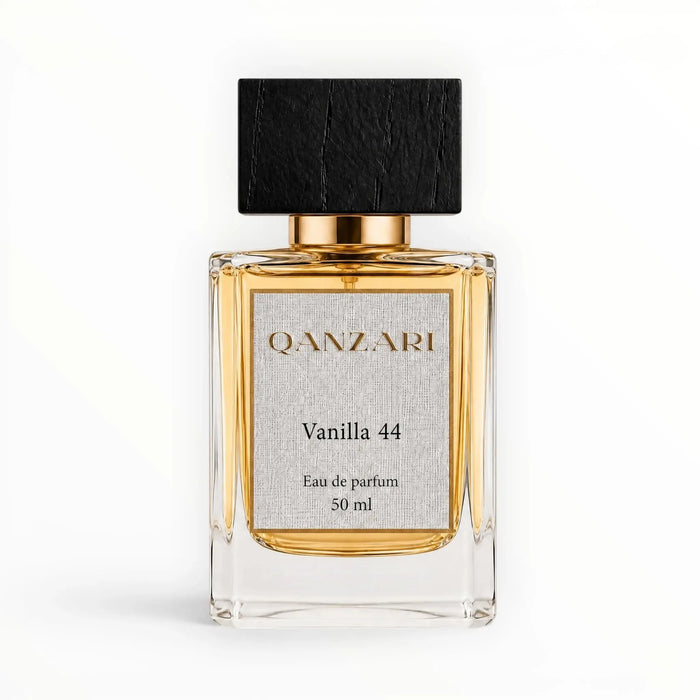
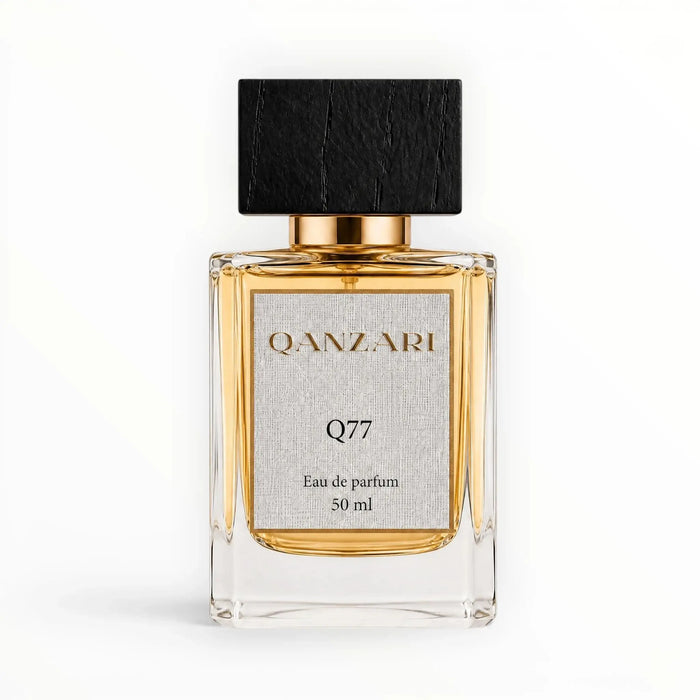
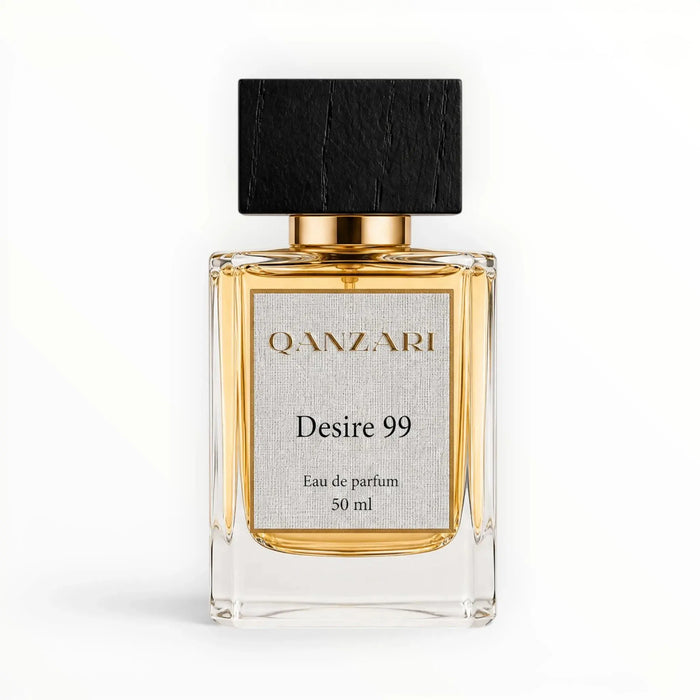
For those building a fragrance wardrobe, learning how to identify quality oud is really about learning to recognize integrity. Integrity in sourcing. Integrity in blending. Integrity in performance. A fragrance house such as Qanzari understands that oud is not just a trend note but a signature of heritage and refinement.
The more oud you experience, the faster your instincts become. Soon you will notice the difference between noise and depth, between imitation and character. When you find a beautiful oud, you do not need anyone to explain it. Your skin tells you first.