May 15, 2026
How to Test Perfume Longevity Properly
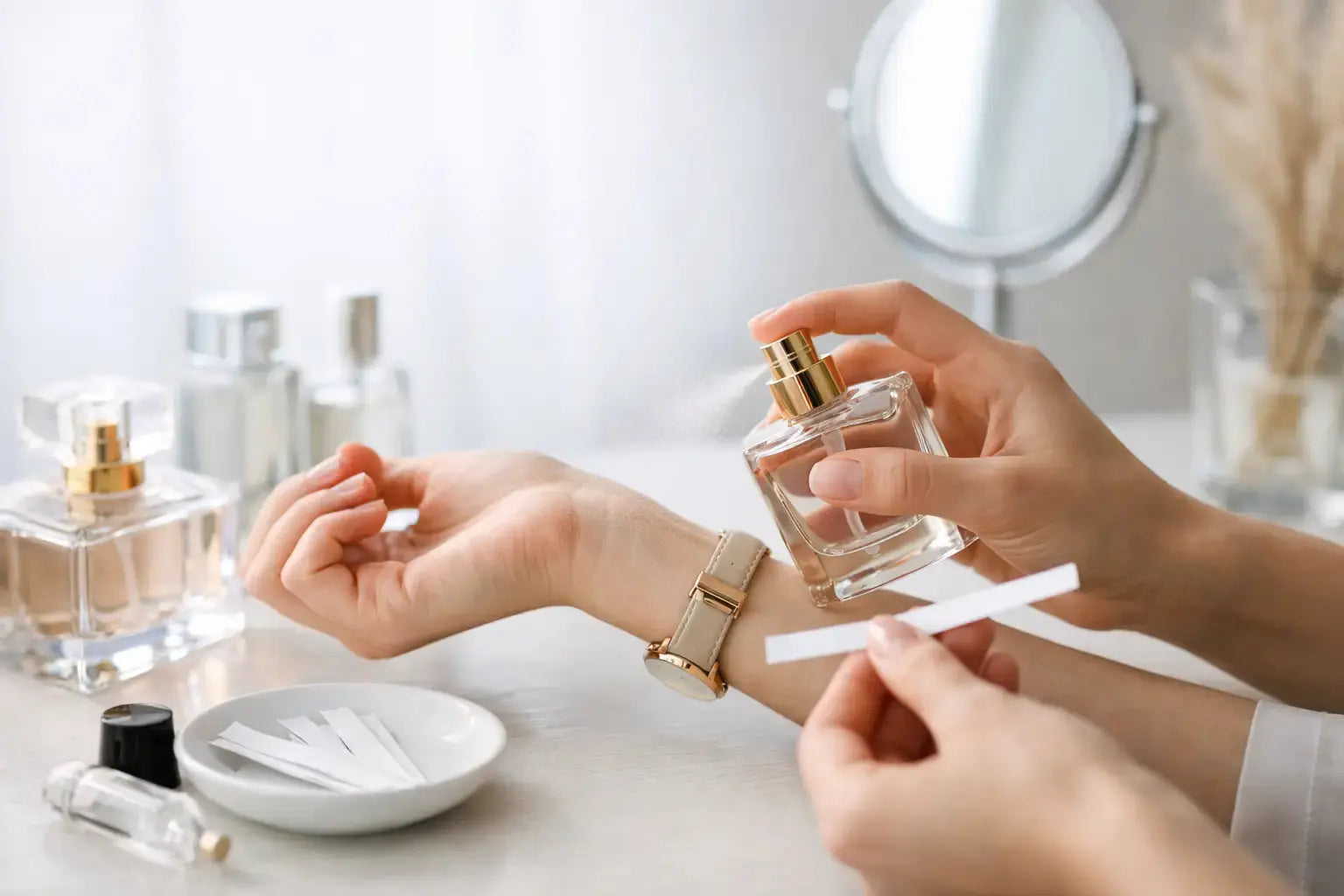
A perfume can smell extraordinary for the first ten minutes and still disappoint by lunchtime. That is why knowing how to test perfume longevity matters. If you are investing in a fragrance with presence, character, and staying power, a quick spray on a paper strip is never enough.
True longevity is revealed over hours, not moments. It lives in the dry down, in the way amber softens into skin, in the way oud lingers on a cuff, and in whether musk still whispers at the end of the day. A proper test gives you something more valuable than a first impression - it tells you whether a fragrance has the depth to become part of your signature.
How to test perfume longevity in real life
The most reliable way to test a perfume is on your skin, during a normal day, without rushing the result. Fragrance behaves differently on every person because body chemistry, skin moisture, clothing, temperature, and even movement all affect performance.
Start with clean skin that is free from scented lotion, body oil, or another fragrance. If your skin is very dry, use an unscented moisturizer first and let it settle for a few minutes. Perfume usually lasts longer on hydrated skin, so testing on very dry skin can make a strong fragrance seem weaker than it truly is.
Apply two to four sprays to pulse points or warm areas such as the wrists, inner elbows, or neck. Do not rub the perfume in. Rubbing creates friction and can disturb the top notes before the fragrance has a chance to unfold naturally.
Then let it develop. Resist the urge to keep smelling it every few minutes. The first burst tells you about the opening, but longevity is measured by what remains after the sparkle fades. Check in at set times instead - after 15 minutes, 1 hour, 3 hours, 6 hours, and 8 hours. This gives you a clear picture of the fragrance journey rather than a blurred impression.
What longevity actually means
People often confuse longevity with projection, but they are not the same. Projection is how far a scent radiates from your body. Longevity is how long it stays detectable, whether that detection is strong and room-filling or soft and intimate.
A perfume may feel quieter after a few hours and still be performing beautifully. Rich notes such as oud, vanilla, amber, resin, and musk often settle close to the skin rather than announcing themselves from across the room. For many luxury fragrances, that refined closeness is part of the appeal.
So when you test, ask two separate questions. Can you still smell it on yourself? And can someone near you still detect it? A fragrance that becomes more personal over time has not necessarily failed. It may simply have entered its more elegant phase.
Skin test vs blotter test
Blotters have their place, but they are only useful for a first screening. They help you compare openings without saturating your skin with multiple perfumes at once. What they do not reveal well is how a perfume interacts with warmth, natural oils, and movement.
If you want to understand how to test perfume longevity accurately, treat the blotter as the preview and your skin as the final decision. Spray a blotter if you are narrowing options. Once something catches your attention, wear it on skin for a full day.
Clothing can also be part of the test, but it should not replace the skin test. Fabric often holds fragrance much longer than skin, especially heavier materials. That can make a perfume seem more powerful than it will actually feel when worn. Spray once on fabric if you want to see how it leaves a trail, but judge true longevity on skin first.
How many sprays are enough?
Too little perfume gives an unfair result. Too much creates a cloud that says more about quantity than formula. For most eau de parfums, two to four sprays is the right testing range.
Lighter citrus or aromatic styles may need a bit more to show their full character. Denser compositions built around oud, spice, amber, or musk may need less, especially in warm weather. The goal is not to force the fragrance to last. It is to see how it performs when worn the way you would actually wear it.
Consistency matters here. If you are comparing several perfumes over a week, use the same number of sprays each time and place them on similar areas of skin. That makes the comparison cleaner and far more useful.
The timing that gives you a real answer
If you only test perfume for an hour, you are not testing longevity. You are testing the opening. Some fragrances begin with brilliance and vanish quickly. Others open quietly, then deepen into something memorable that stays with you well into the evening.
A simple timing method works best. Notice the scent right after application, then revisit it at five stages.
First 15 minutes
This is the introduction. You are smelling the top notes and alcohol evaporation. It is beautiful, but it tells you almost nothing about endurance.
After 1 hour
Now the heart begins to emerge. Florals, spices, woods, and fruits settle into their real shape. At this point, you can judge whether the fragrance still has presence.
After 3 hours
This is often the point where weaker perfumes begin to fade noticeably. Stronger compositions still show structure and identity here.
After 6 hours
For many wearers, six hours is the true benchmark. If the scent is still recognizable without pressing your nose directly to your skin, it has respectable longevity.
After 8 hours and beyond
This is where long-wearing perfume proves its value. It may not project loudly, but if the core notes remain on skin or clothing, the fragrance has endurance worth noticing.
Factors that change the result
Perfume does not perform in a vacuum. Climate, skin type, and fragrance family all shape the outcome.
Heat can intensify a fragrance at first but also burn through fresher notes faster. In cooler air, perfume may project less but last longer. Humidity can also change how scent blooms, especially with sweet and resinous blends.
Skin type matters more than many people realize. Oily skin tends to hold fragrance longer, while dry skin may absorb and mute it. That is why one person may call a perfume eternal and another may find it fleeting.
Then there is the composition itself. Citrus, green, and aquatic fragrances often feel bright and airy but may not endure as long. Woods, oud, amber, vanilla, leather, and musk usually have more tenacity. That does not make one better than the other. It simply means you should judge the perfume according to its style. A fresh scent that stays elegant for five hours may be performing exactly as it should.
How to compare two perfumes fairly
If you are testing more than one fragrance, avoid spraying several on the same arm or too close together. Scents can overlap and distort each other. The cleanest method is one perfume on each wrist or inner elbow, with no more than two being tested at once.
Wear them through the same kind of day if possible. If one perfume is tested during a cool indoor workday and another during a hot afternoon outdoors, the result will not be evenly matched.
It also helps to write down your observations. Nothing elaborate is needed. Just note the time of application, how strong it feels after one hour, when it softens, and whether it remains on skin by evening. Memory tends to romanticize first impressions, while notes tell the truth.
Signs a perfume has strong longevity
You do not need laboratory precision. A few clear signs tell you a fragrance is built to last. If you catch traces of it when you move your wrist hours later, if it remains detectable on skin after dinner, or if your scarf or collar still carries the scent the next day, you are dealing with real staying power.
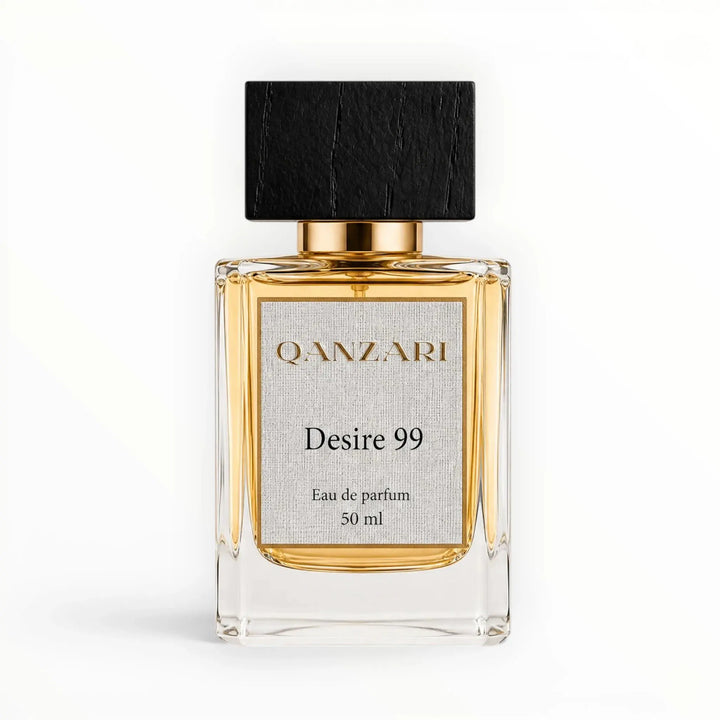
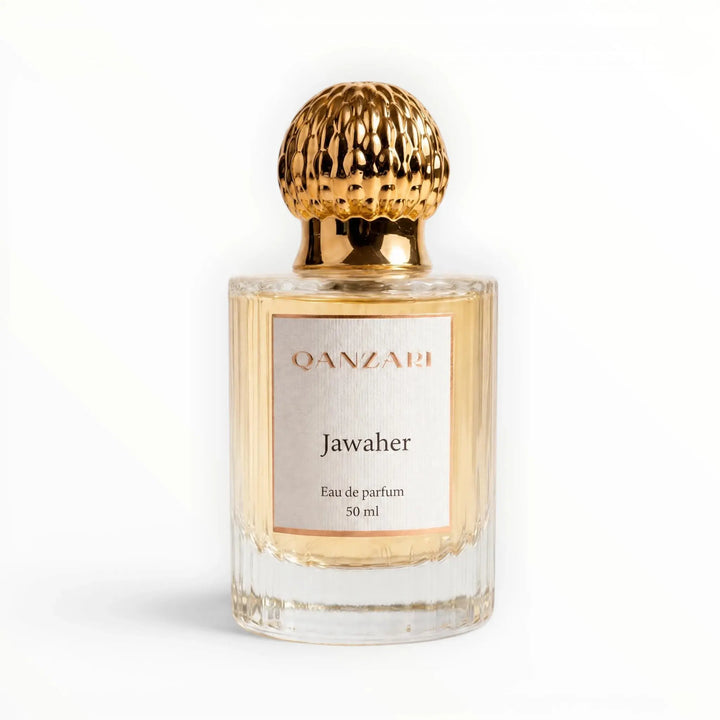
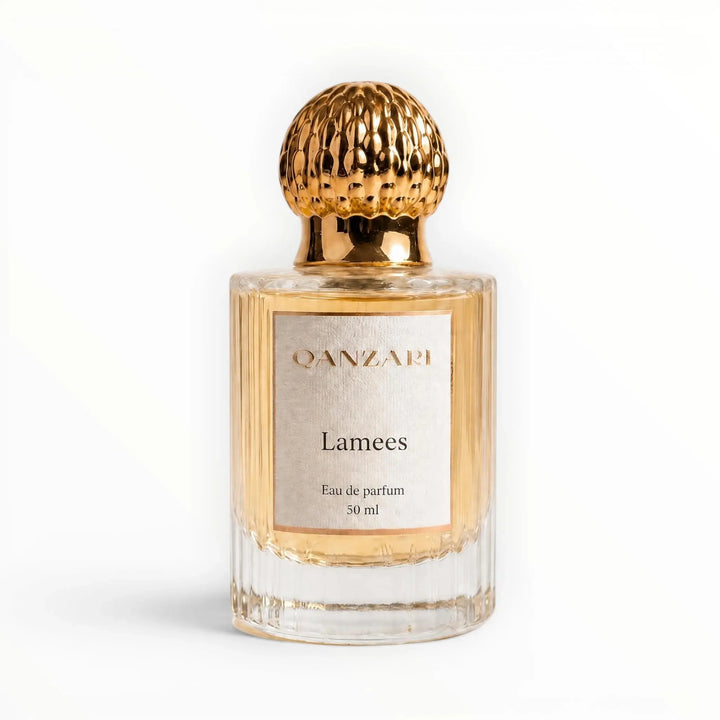
Another sign is a meaningful dry down. Long-lasting perfume does not simply fade into nothing. It transforms. The bright opening gives way to warmth, depth, and character. This is especially true in fragrances shaped by Arabian perfumery, where rich base notes are part of the artistry. Houses such as Qanzari build around that idea - not just a beautiful opening, but a lasting impression.
Common mistakes when testing longevity
The biggest mistake is judging too soon. The second is testing too many scents in one session until your nose becomes fatigued. Once that happens, even strong perfume can seem to disappear.
Another mistake is assuming that if you stop noticing a fragrance, it is gone. Nose blindness is real. Your senses can tune out a scent you have been wearing for hours, especially if it has strong musks or woods. Ask someone you trust to smell your wrist from a polite distance before deciding the perfume has faded completely.
Finally, do not confuse personal preference with performance. A soft, intimate fragrance may last beautifully while never becoming loud. If you only equate strength with quality, you can miss some of the most sophisticated perfumes.
A fragrance worthy of your skin should still have something to say long after the first impression has passed. Test it patiently, wear it honestly, and let time reveal whether it carries the kind of presence that belongs to you.