May 07, 2026
What Makes Perfume Last All Day?
A fragrance that disappears by noon never feels luxurious. When you choose a scent with presence, depth, and character, you expect it to stay with you - not fade into a memory before the day has even settled. So what makes perfume last all day? The answer is not one single factor. It is the meeting point of formula, raw materials, skin chemistry, climate, and how the fragrance is worn.
Long-lasting perfume is part craftsmanship, part chemistry, and part ritual. The most memorable scents are built with intention. They open beautifully, evolve with grace, and leave a trail that feels polished rather than overpowering. That is especially true for richer Arabian-inspired fragrances, where oud, amber, musk, and vanilla are not just beautiful notes but anchors of staying power.
What Makes Perfume Last All Day on Skin?
The first piece is concentration. Not all fragrance types are designed to perform the same way. Eau de parfum usually lasts longer than eau de toilette because it contains a higher percentage of perfume oils. More oil generally means more material left on the skin as the alcohol evaporates. That does not guarantee every eau de parfum will last all day, but it gives the fragrance a stronger foundation.
Then there is the structure of the scent itself. Perfumes are built in layers: top notes, heart notes, and base notes. Citrus, herbs, and airy florals tend to shine quickly and fade faster. Woods, resins, amber, vanilla, musk, and oud settle more slowly and remain much longer. If a fragrance is centered on these deeper materials, it naturally has a better chance of lasting from morning into evening.
This is one reason warm, sensual compositions often feel more enduring than bright, sparkling ones. A fresh bergamot opening may be beautiful, but it is the base - the part closest to skin and memory - that carries the fragrance through the day.
Why Ingredients Matter More Than Marketing
Longevity begins with the quality of raw materials. A perfume can promise intensity, but if the ingredients are thin, sharp, or poorly balanced, the scent may project loudly at first and then collapse quickly. Better materials usually create a smoother evaporation curve. Instead of disappearing all at once, they unfold in stages.
Natural and synthetic ingredients both play a role here. Many people assume natural means longer-lasting, but that is not always true. Some naturals are delicate and fleeting. Some modern aroma molecules are specifically valued because they hold beautifully on fabric and skin. The real measure is not whether an ingredient is natural or synthetic. It is whether the formula is skillfully composed.
In luxury perfumery, the difference often shows up in the dry-down. Cheap fragrance may lose its character after the top notes fade. A well-made scent becomes richer, warmer, and more intimate as the hours pass. That evolution is a sign of composition, not chance.
The Notes That Usually Last the Longest
If your goal is all-day wear, some notes consistently perform better than others. Oud is one of the most distinctive. It has depth, density, and a lingering presence that can stay close to the skin for many hours. Amber adds warmth and resinous richness. Musk gives softness and persistence. Vanilla creates a creamy, enveloping effect that often clings beautifully, especially in cooler indoor air or on fabric.
This does not mean fresh fragrances have no place. They do. Clean citrus, green notes, and aquatic accords can feel refined and uplifting, especially in warm weather. But they often need support from stronger heart and base notes if you want them to last. A fragrance that opens bright and settles into woods, musk, or amber is usually more dependable than one built only around freshness.
That balance matters in hot climates too. Heavy scent can become overwhelming in heat, yet a fragrance still needs enough depth to endure. The best performers manage both. They feel elegant in the air, but they also have a lasting core.
Skin Chemistry Changes Everything
Even the finest perfume behaves differently from one person to another. Skin chemistry shapes how fast a scent evaporates, how certain notes appear, and how long the fragrance remains detectable. This is why one person can wear the same perfume for ten hours while another notices it fading much sooner.
Skin type plays a role. Dry skin tends to absorb and release fragrance more quickly, which can shorten wear time. Oily or well-moisturized skin usually gives perfume more to hold onto. Temperature matters too. Warm skin can amplify projection at first, but it may also burn through volatile top notes faster.
Hormones, diet, and even daily routine can influence performance. There is no perfectly universal wear time. That is why testing a fragrance on your own skin is always more revealing than spraying it on a paper blotter.
What Makes Perfume Last All Day Beyond the Formula
Application has more influence than people think. Fragrance lasts longer when it is applied to moisturized skin because oil helps slow evaporation. Unscented lotion or body cream creates a better surface than dry skin straight after a shower. If you spray perfume onto dry areas, especially in air-conditioned environments, it may seem to vanish faster.
Placement matters as well. Pulse points such as the neck and wrists are classic for a reason, but they are not the whole story. The chest, behind the ears, and even the back of the neck can hold scent beautifully. Clothing can also extend wear, though some delicate fabrics should be treated carefully.
One habit often works against longevity: rubbing the wrists together. It feels instinctive, but it can disturb the opening and flatten the top of the composition. A refined perfume should be allowed to settle on its own.
Layering can also help, when done with restraint. Using complementary scented products or applying fragrance to both skin and clothing can create a longer, fuller presence. The goal is not to make the scent louder. It is to make it more continuous.
Climate, Air, and the Way Perfume Travels
Heat, humidity, wind, and indoor air all affect performance. In hot weather, perfume tends to project more quickly. That can create an immediate impression, but it may also shorten the life of lighter notes. In dry, air-conditioned spaces, fragrance can fade from the skin faster than expected. Humidity can make some notes bloom while muting others.
This is where fragrance style becomes important. Perfumes designed with warm-weather performance in mind often lean on richer materials that still feel polished in the heat. Arabian perfumery has long understood this relationship between climate and composition. Resinous woods, musk, amber, and spice are not only sensual - they are practical in environments where weaker formulas can disappear too quickly.
A perfume should suit the setting as much as the wearer. The scent that feels perfect for a cool dinner may be too dense for midday sun. The one that feels airy and clean at brunch may not carry through a long evening. Longevity is not only about duration. It is about wearing beautifully in real conditions.
How to Choose a Perfume That Truly Lasts
If you want a fragrance with strong staying power, look past the first five minutes. The opening is only the invitation. The real story begins in the heart and base. Ask yourself what remains after an hour. Does the scent still feel present, dimensional, and elegant? Or has it become faint, flat, or generic?
Pay attention to the note profile. Perfumes built around oud, amber, musk, vanilla, woods, and resins often offer more endurance. Look for eau de parfum concentration when possible, but do not rely on labels alone. A well-composed fragrance with excellent materials can outperform a stronger concentration made without depth.
It also helps to think about your own habits. If you prefer a soft aura rather than bold projection, a fragrance can still be long-lasting even if it stays close to the skin. Longevity and projection are related, but they are not the same. Some perfumes announce themselves across a room and fade quickly. Others stay intimate and elegant for hours.
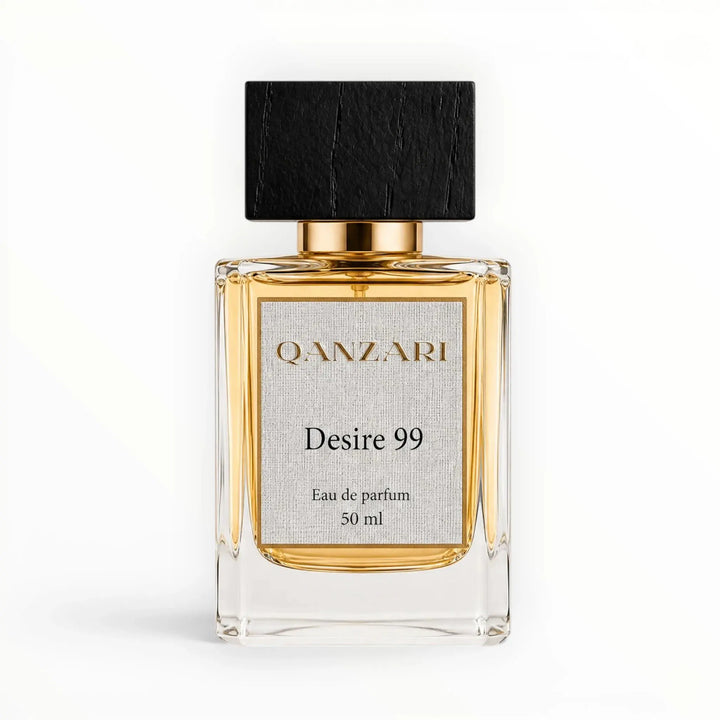
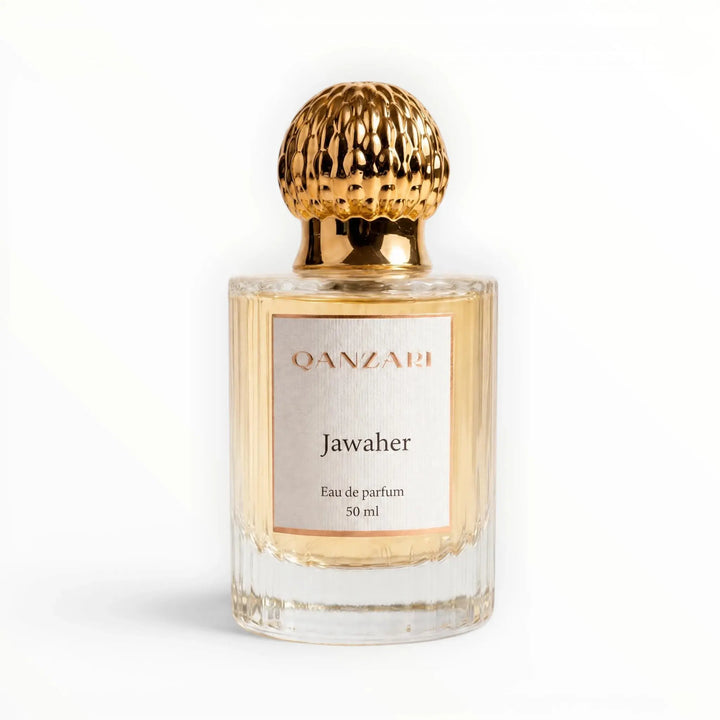
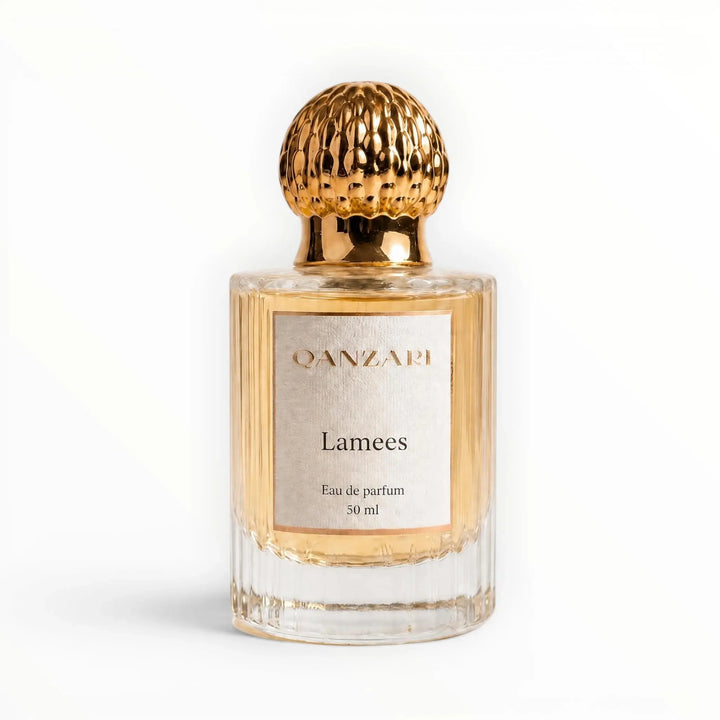
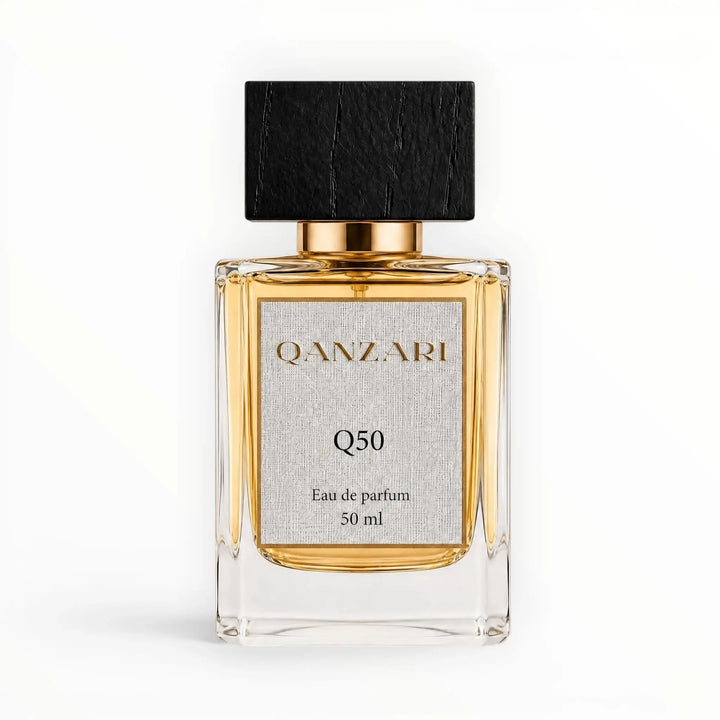
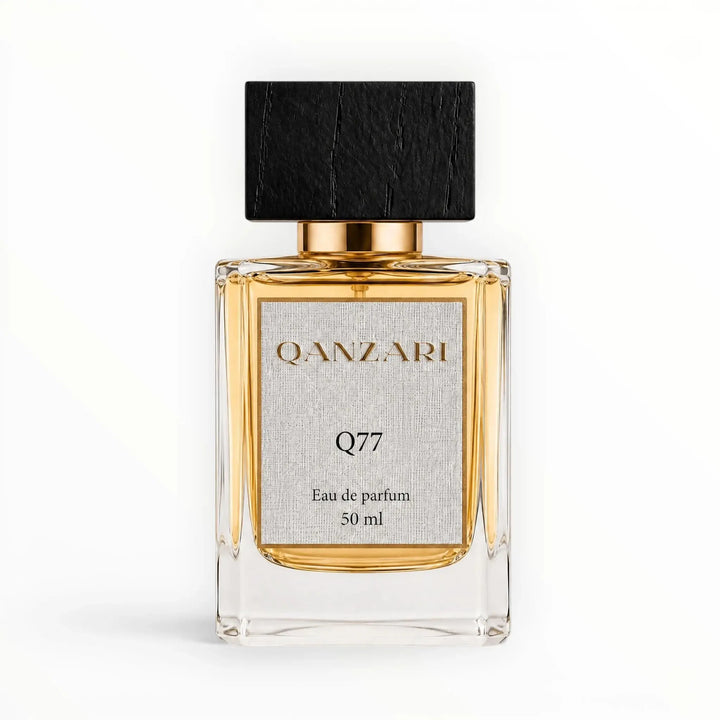
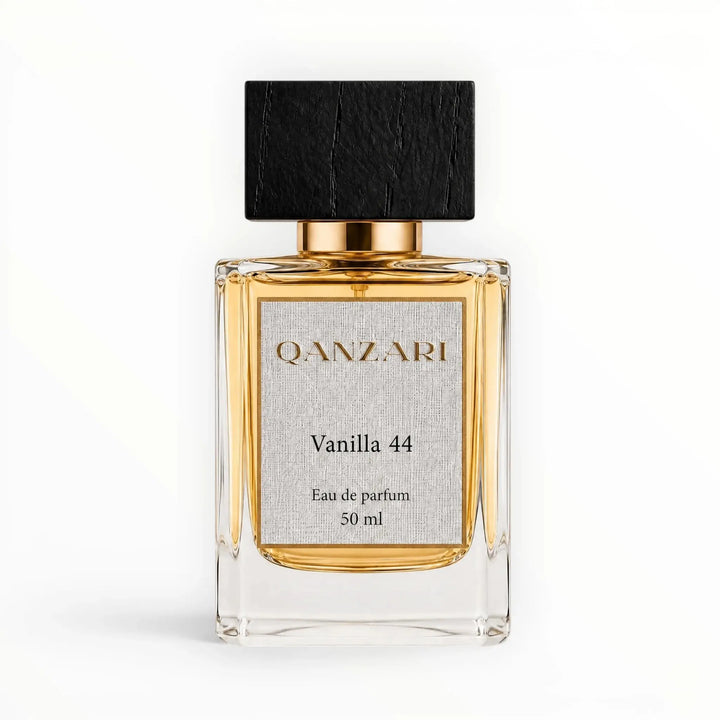
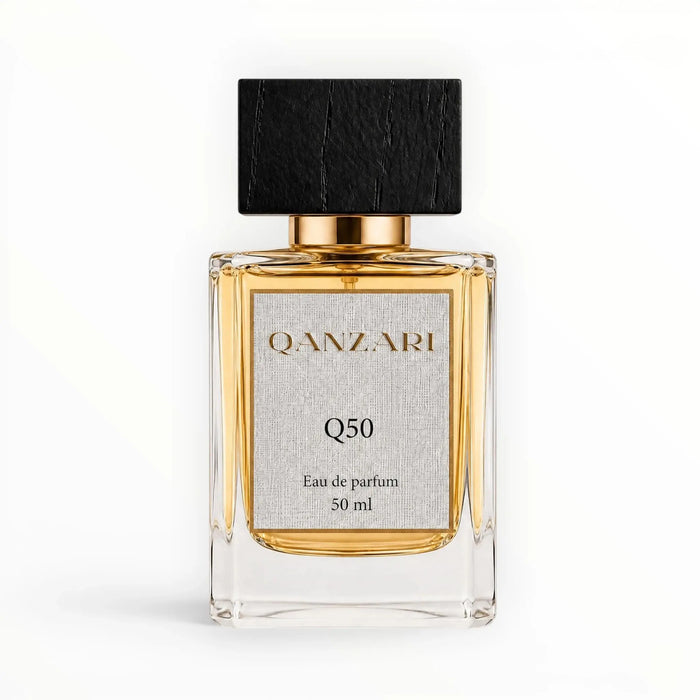
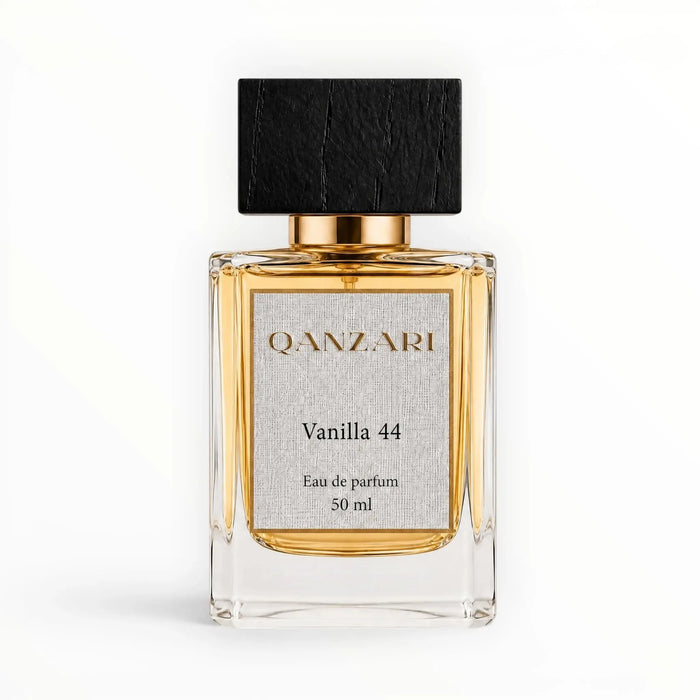
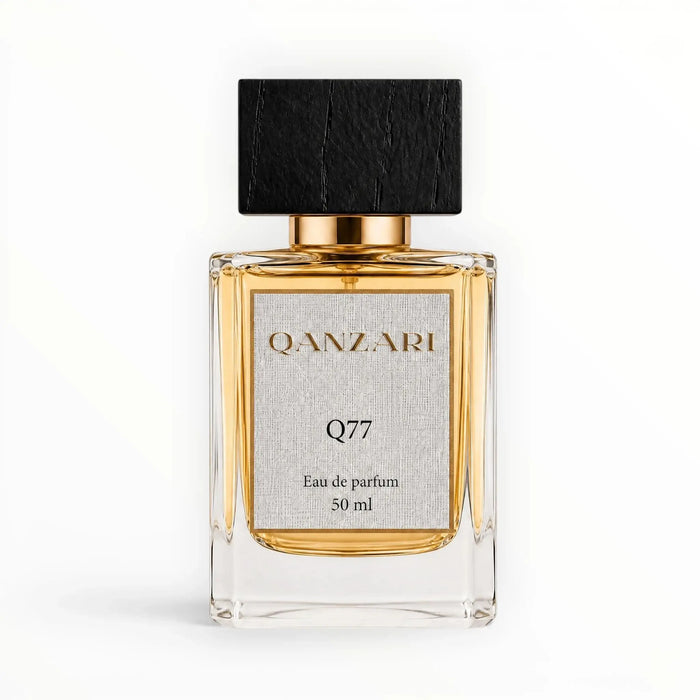
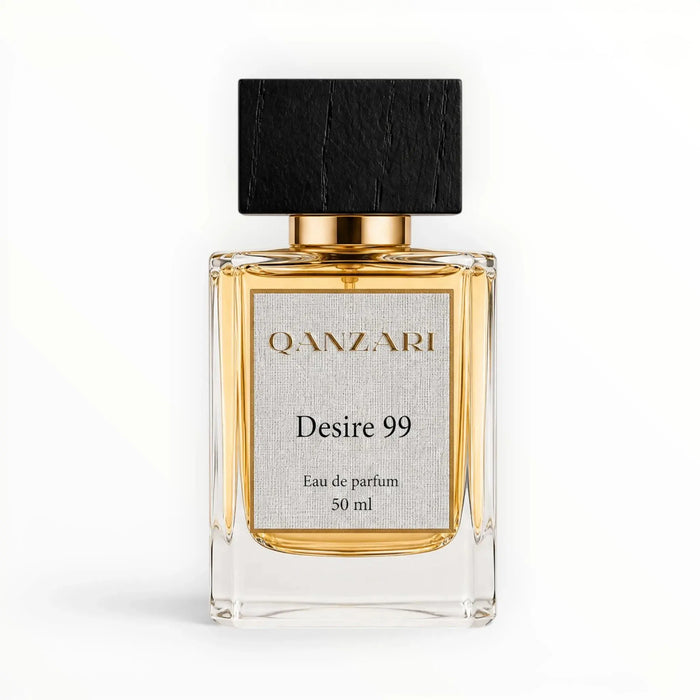
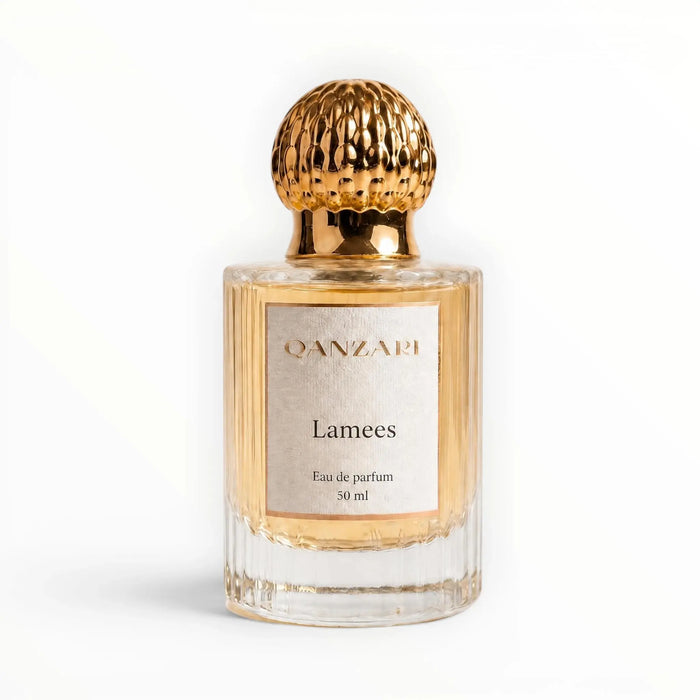
For those who want heritage, performance, and distinction in one bottle, this is where houses like Qanzari stand apart. Fragrances rooted in Arabian perfumery tend to understand lasting power not as a gimmick, but as part of the experience - a scent that lingers with dignity, leaves a refined impression, and wears like a signature.
The perfume that lasts all day is rarely the one shouting for attention at first spray. It is the one built with depth, worn with intention, and chosen with an understanding of how scent truly lives on the skin.