May 29, 2026
What Perfume Lasts in Humidity Best?
Humidity has a way of exposing a weak fragrance almost instantly. A scent that feels polished in air conditioning can turn faint, sharp, or oddly sweet the moment you step into warm, damp air. If you are asking what perfume lasts in humidity, the answer is less about hype and more about structure - the right concentration, the right raw materials, and the right balance on skin.
In humid weather, perfume behaves differently. Moisture in the air can amplify certain notes, especially citrus, aquatic accords, and light florals, but that lift does not always translate to endurance. Some fragrances bloom beautifully for twenty minutes and disappear into the heat. Others hold their shape, deepen on the skin, and leave a refined trail long after the first spray. That distinction matters when you want presence, not noise.
What perfume lasts in humidity?
The perfumes that tend to last best in humidity usually have depth at the base. Think oud, amber, musk, resins, vanilla, patchouli, and woods. These materials give a fragrance weight and staying power, helping it anchor to the skin even when heat makes lighter notes evaporate faster.
This does not mean every heavy perfume works in tropical weather. Density alone is not enough. A fragrance can be rich yet still feel cloying if it leans too syrupy, too gourmand, or too powdery. The best performers in humidity are structured, not overloaded. They feel smooth and confident rather than thick.
For many fragrance lovers, Arabian-inspired compositions perform especially well here because they are often built with ingredients known for longevity. Oud brings depth and character. Amber adds warmth and glow. Musk creates a skin-like trail that persists. Vanilla, when used with restraint, softens the composition without making it collapse into sweetness. In humid conditions, that kind of architecture often lasts far better than sheer colognes or airy florals.
Why humidity changes the way perfume wears
Heat speeds up evaporation. Humidity adds moisture to the air, which can make fragrance project more quickly at first. That sounds like a good thing, but it can be misleading. You may smell the top notes more intensely in the opening, then watch the scent lose its elegance sooner than expected.
Skin chemistry also matters more in sticky weather. Sweat, oil, and body temperature all interact with perfume. On some people, bright citrus turns metallic. On others, sugar-heavy fragrances become overly dense. This is why a scent that lasts on paper or in a cool store does not always perform the same way outdoors.
The most reliable perfumes in humidity have a clear progression. They open with energy, but they are built to settle into woods, musks, or resinous warmth. Those foundations stay close to the skin in a refined way rather than vanishing completely.
Concentration matters, but not in the way people think
Many shoppers assume stronger concentration automatically means better performance. Often, an eau de parfum will outlast an eau de toilette in humid weather, and parfum can last even longer. But concentration is only part of the story.
A badly composed extrait can still feel flat or oppressive. A well-built eau de parfum with quality base notes may outperform something technically stronger. In humidity, the goal is not simply maximum intensity. It is controlled persistence. You want a fragrance that remains elegant over hours, not one that feels loud for thirty minutes and tiring after that.
The notes that usually last best in humid weather
Oud is one of the most dependable notes for warm, damp climates. It has presence, texture, and a natural richness that holds to the skin. Depending on how it is blended, oud can feel smoky, smooth, leathery, or softly woody. In humidity, it often retains its identity long after fresher top notes have faded.
Amber also performs beautifully, especially when paired with woods or musk. It gives fragrance a glowing warmth that does not rely on sharp projection. Instead, it creates a lasting aura. This is ideal in humid conditions, where too much brightness can feel unstable.
Musk is another quiet powerhouse. It may not announce itself dramatically at first spray, but it lingers. A good musk creates a clean, sensual trail that survives heat well. In luxury perfumery, musk often does the invisible work that makes a fragrance feel expensive and enduring.
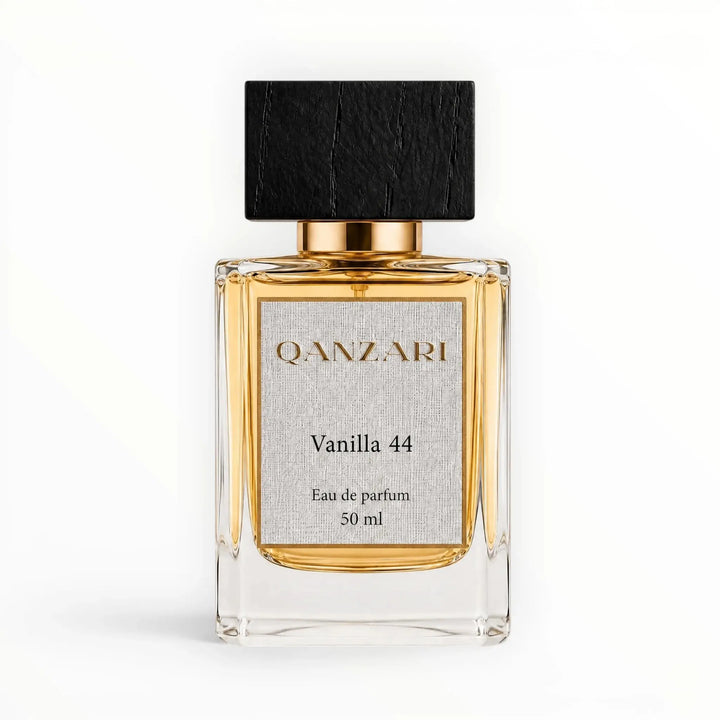
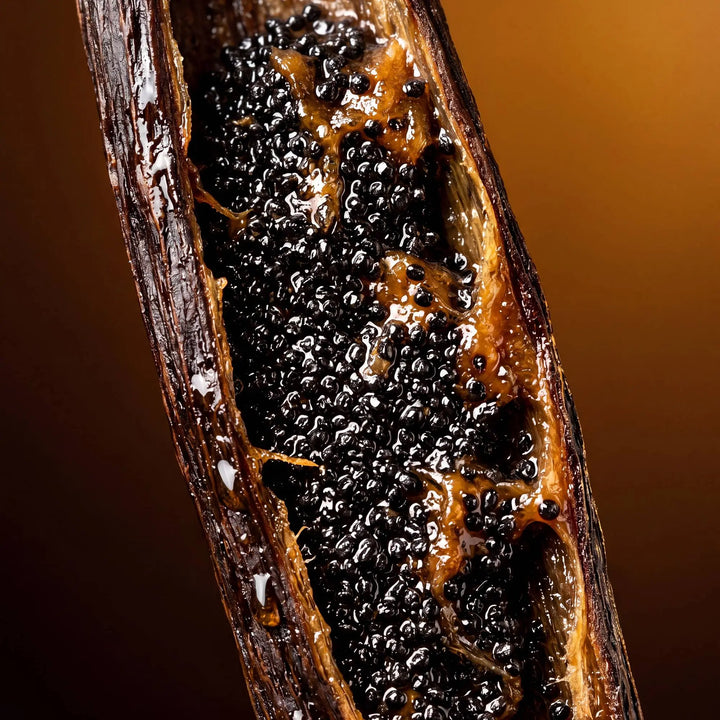
Vanilla can be excellent in humidity when it is balanced with spice, woods, or amber. When it leans too sugary, it can feel heavy. When it is polished and restrained, it adds softness and longevity without overwhelming the senses.
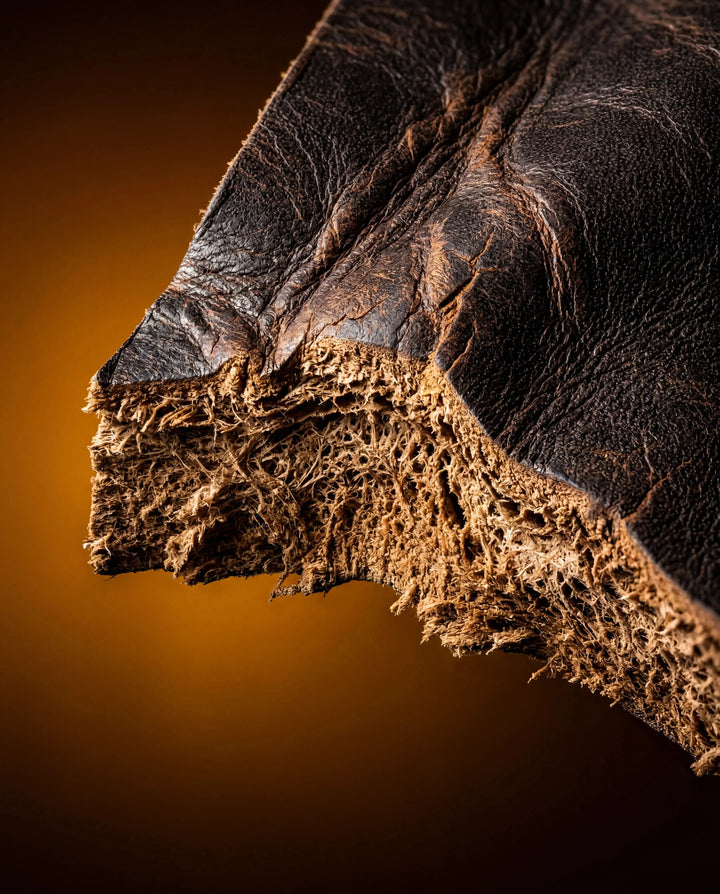
Patchouli, sandalwood, incense, and leather can also perform well, though they depend on the blend. Patchouli gives earthy depth. Sandalwood adds creamy smoothness. Incense brings dryness and lift. Leather adds shape and sophistication. Used together with precision, these notes create the kind of perfume that stays composed in difficult weather.
Fragrance styles that often fade faster
Very light citrus scents are beautiful, but many disappear quickly in humidity unless supported by stronger base notes. The same is true for many marine, green, and transparent floral perfumes. They can smell crisp and refreshing at first, yet offer little endurance once the opening settles.
That does not make them poor choices. It simply means they may be better for short wear, frequent reapplication, or indoor settings. If your priority is all-day presence in humid conditions, they are often not the strongest answer to what perfume lasts in humidity.
Highly sweet gourmand perfumes can also struggle, but for a different reason. Some do last. The issue is that humidity can make them feel denser and less refined on skin. A dessert-like scent that feels indulgent in cooler weather may become too rich in summer air. The better choice is usually sweetness with structure - vanilla wrapped in woods, amber lifted by spice, or fruit grounded with musk.
How to choose the right perfume for humid days
Start by looking for a fragrance with a defined base. If the composition centers on oud, amber, musk, woods, or resin, it has a better chance of lasting with grace. Then consider the opening. A touch of citrus, spice, or aromatic freshness can make the scent feel easier to wear in heat, as long as the heart and base carry enough substance.
Next, think about the impression you want to leave. If you prefer something discreet and polished, a musky amber or soft woody vanilla may suit you best. If you want more presence, oud with spice or incense can feel striking without becoming harsh. If you want something sensual for evening, deeper amber, leather, or smoky woods often bloom beautifully in humid night air.
Testing on skin is essential. Spray once on a humid day, then give it time. The opening matters, but the true test comes after one hour, then three, then six. A fragrance worth wearing in humidity should still feel coherent later in the day. It may sit closer to the skin, but it should not lose its character.
Application changes the result
Even the best perfume can underperform if applied poorly. In humid weather, moisturized skin holds fragrance better than dry skin. Unscented lotion helps create a smoother surface for perfume to cling to. Pulse points still matter, but overspraying can backfire in heat.
A few intentional sprays usually work better than a cloud. Try the neck, chest, and wrists, then stop. Clothing can hold scent longer, though richer oils and darker juices should be tested carefully to avoid staining. Hair can also carry fragrance well, but it is better to use a light touch.
What perfume lasts in humidity for a luxury feel?
If your standard is luxury rather than mere strength, look for perfumes that feel rich without turning heavy. The best humid-weather fragrances do not fight the climate. They work with it. They open with elegance, settle into warmth, and remain memorable in close encounters.
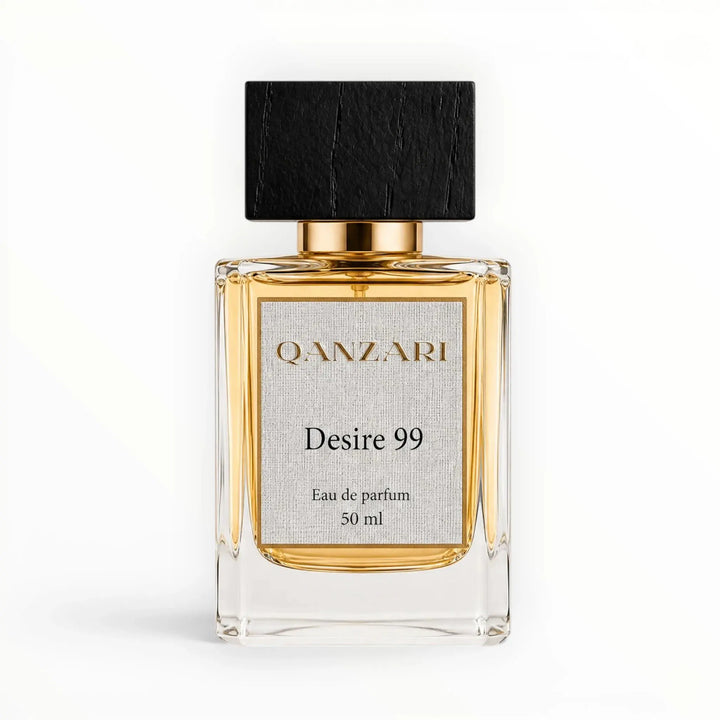
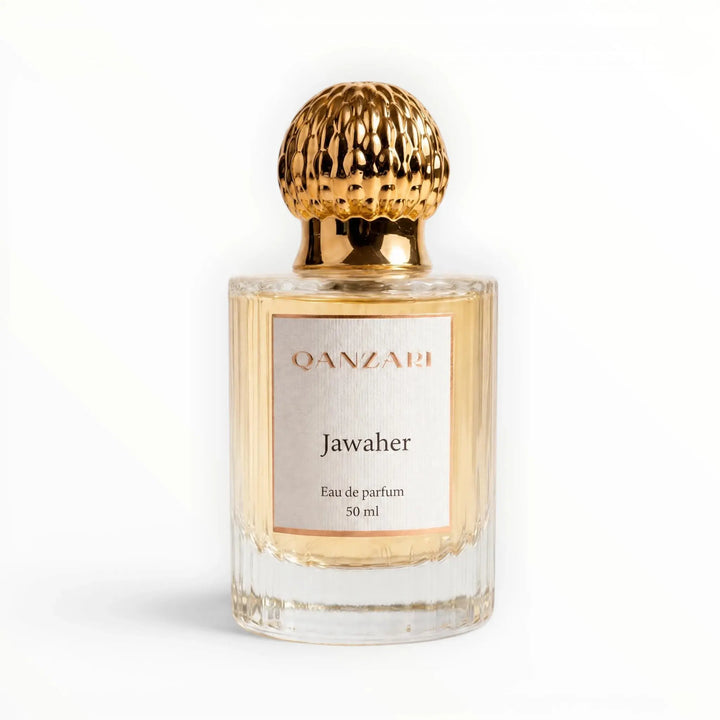
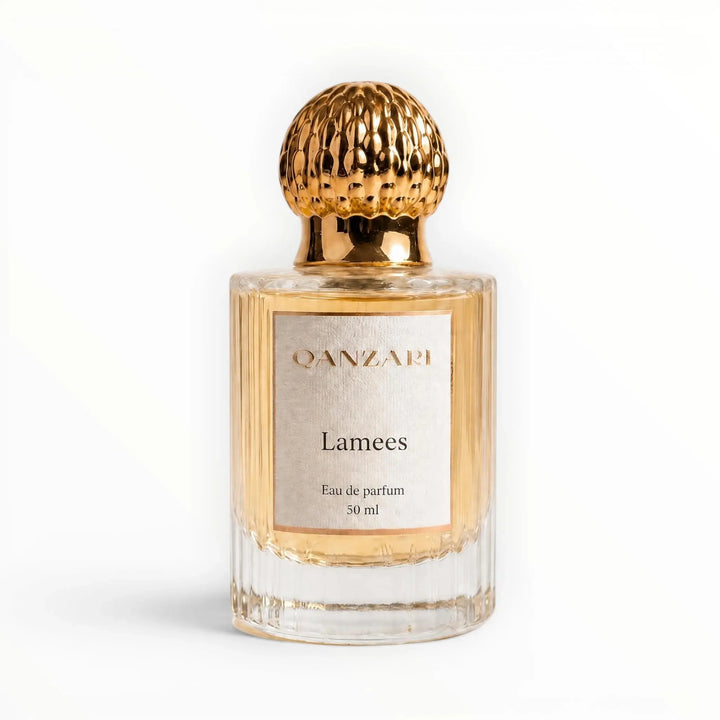
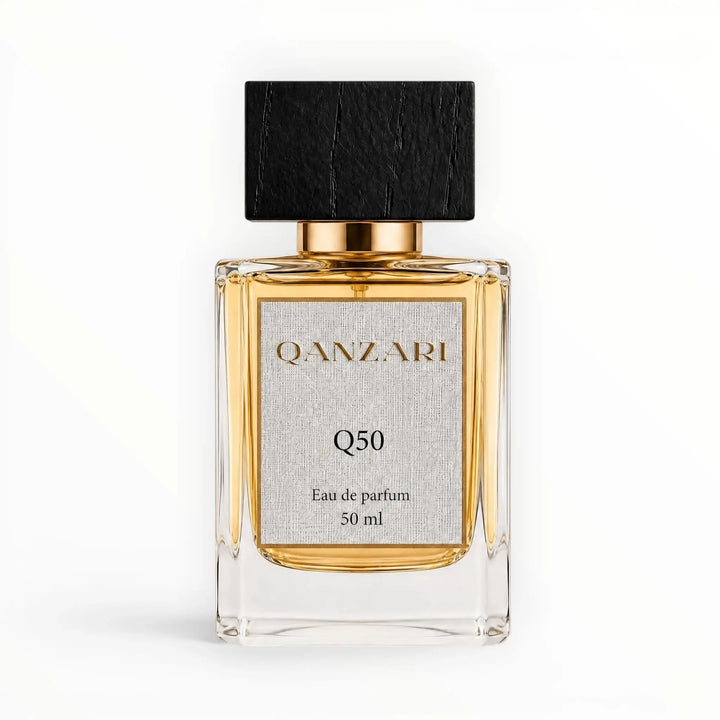
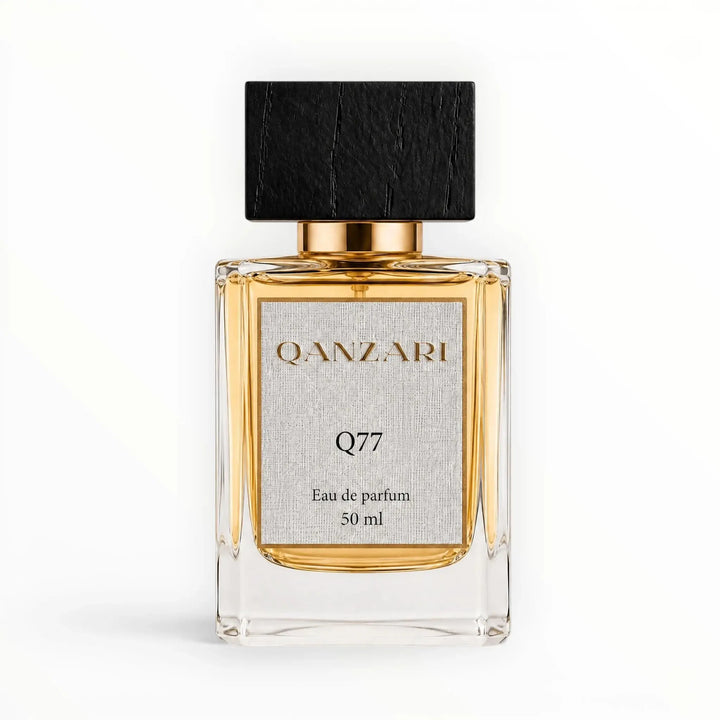
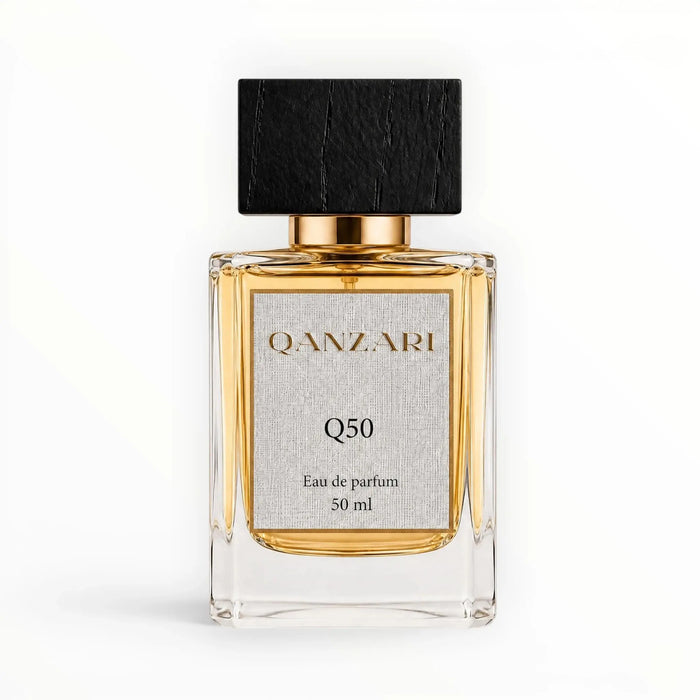
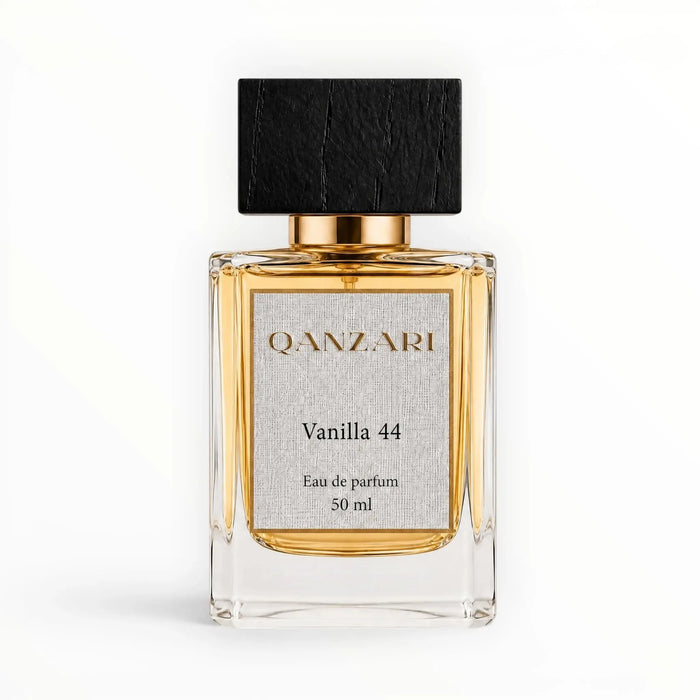
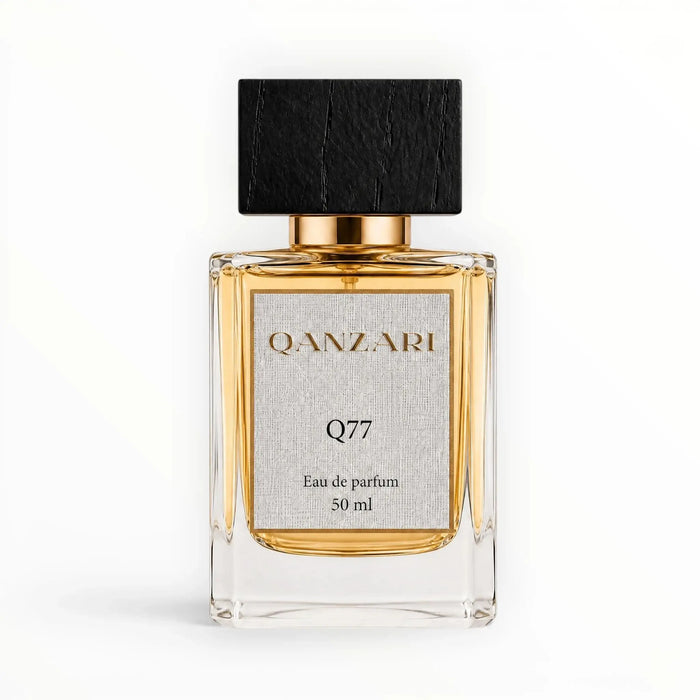
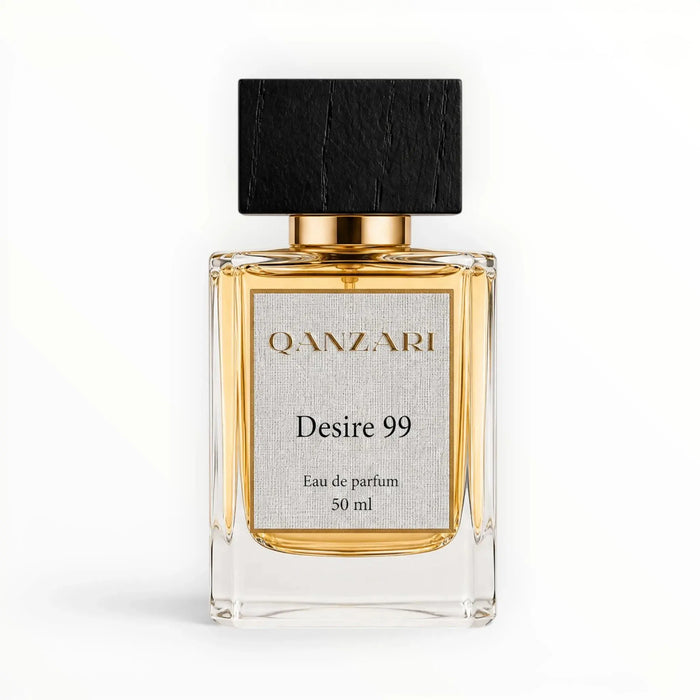
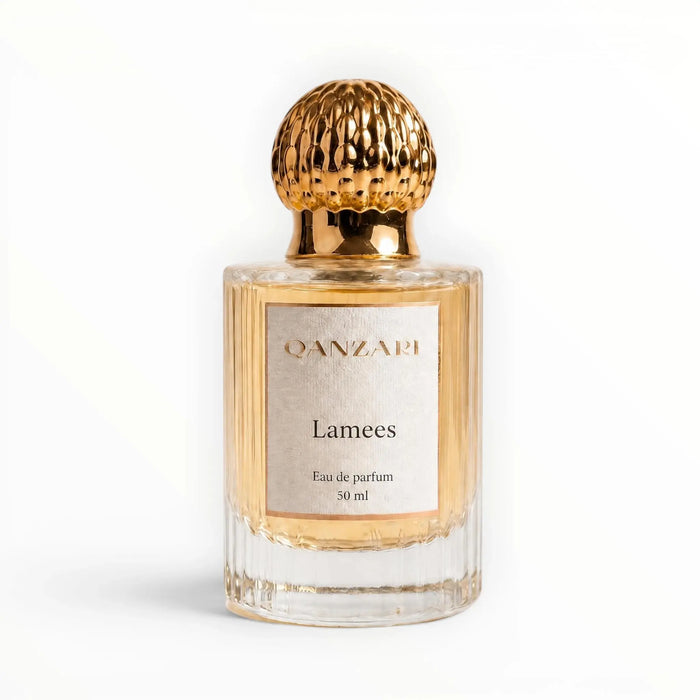
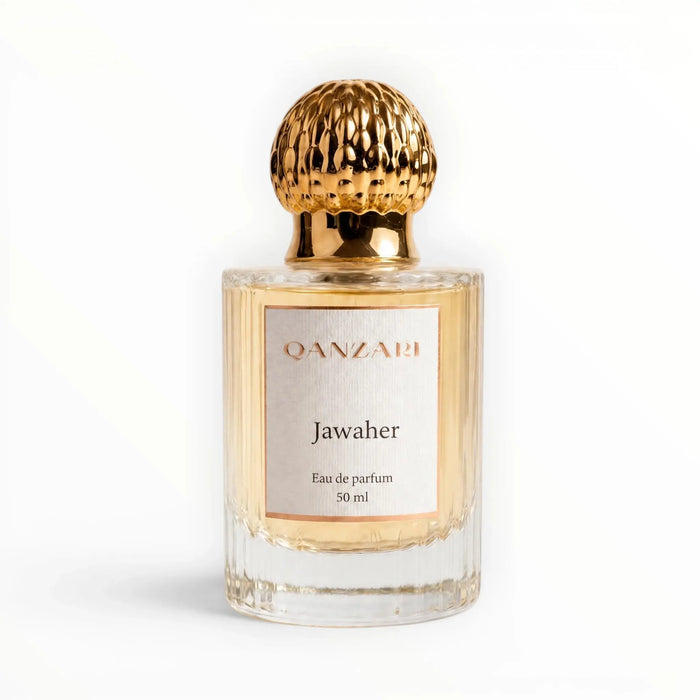
This is where heritage-led perfumery has a clear advantage. Fragrances shaped by oud, amber, musk, and vanilla were not imagined for sterile environments alone. They were built with atmosphere in mind - heat, skin, movement, presence. A house like Qanzari speaks naturally to that sensibility, creating scents that feel culturally rooted and suited to warm climates rather than borrowed from them.
The real answer to longevity in humidity is not chasing the loudest perfume on the shelf. It is choosing one with depth, balance, and character that survives heat without losing refinement. When a fragrance is crafted with that kind of discipline, humidity becomes less of an obstacle and more of a stage.