April 23, 2026
Eau de Parfum vs Parfum: What Lasts Longer?
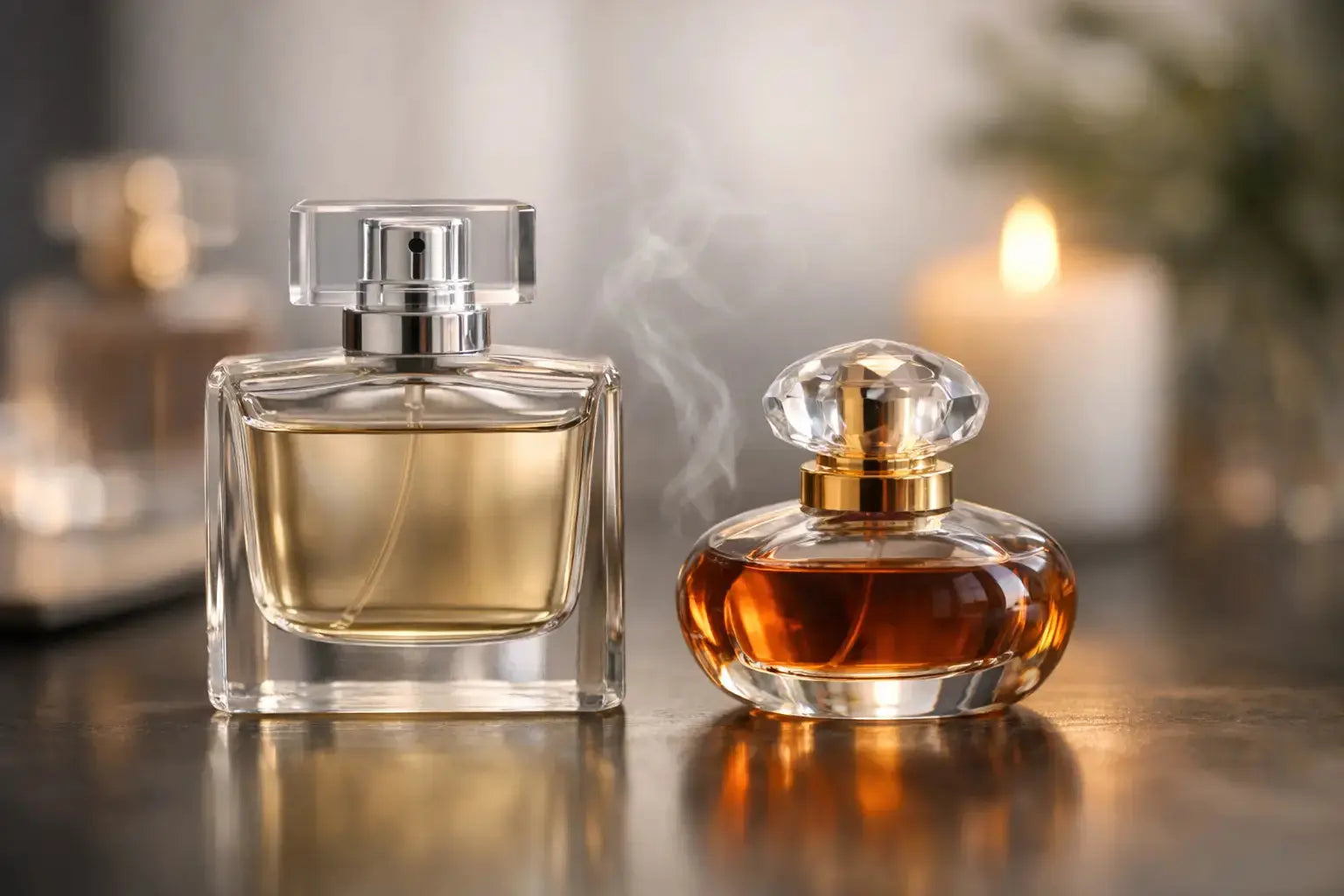
A fragrance can smell exquisite on first spray and still feel wrong by midday. Usually, the problem is not the scent itself. It is the concentration. When people compare eau de parfum vs parfum, they are really asking a more personal question: how much presence do I want my fragrance to have, and how long do I want it to stay with me?
That distinction matters more than many shoppers realize. Two perfumes can share the same scent profile - amber, oud, vanilla, musk, rose - yet wear very differently because of concentration. One may glow close to the skin with quiet elegance. The other may unfold with deeper richness and stay through the evening, through heat, and sometimes into the next day.
Eau de parfum vs parfum at a glance
The simplest difference is concentration of perfume oils. Eau de parfum usually contains a lower concentration than parfum, while parfum contains the highest concentration in mainstream fragrance categories. In practice, that often means parfum feels denser, lasts longer, and sits more luxuriously on the skin.
But concentration alone does not tell the whole story. Formula balance, raw materials, climate, skin chemistry, and how generously you apply all affect performance. A well-made eau de parfum can outshine a weaker parfum. Still, as a rule, parfum is the richer and more persistent format, while eau de parfum offers a refined middle ground between presence and ease.
What is eau de parfum?
Eau de parfum, often shortened to EDP, is one of the most popular fragrance strengths for good reason. It tends to offer noticeable longevity without feeling too intense for everyday wear. For many people, it is the sweet spot - expressive enough to leave an impression, comfortable enough to wear from morning meetings to dinner.
An eau de parfum usually opens with more lift than a parfum. You may notice the brighter top notes more clearly at first: saffron, bergamot, pink pepper, citrus, or aromatic spices. As it settles, the heart and base become warmer and fuller. In Arabian-inspired scent families, that could mean a transition into rose, oud, amber, musk, sandalwood, or vanilla.
This format often appeals to those who want versatility. It performs well across many settings and tends to project a little more openly in the first few hours. If you want your fragrance to be present without feeling heavy, eau de parfum often delivers that balance.
What is parfum?
Parfum, sometimes called pure perfume or extrait in related categories, is more concentrated and often more intimate in texture. It does not always shout more loudly. In fact, many parfums wear closer to the skin than expected. What they offer is depth, richness, and endurance.
A parfum can feel smoother from the start, with fewer sharp edges in the opening. The composition may reveal itself more slowly, almost like fabric warming in the sun. Resinous notes, creamy woods, oud, leather, incense, amber, and musk often feel especially beautiful in parfum form because the concentration gives them gravity.
For someone who wants a signature scent with lasting power and a more opulent feel, parfum often becomes the preferred choice. It is luxury in a quieter voice - less flash, more presence.
Longevity, projection, and the reality of wear
When shoppers ask about eau de parfum vs parfum, longevity is usually at the center of the question. In general, parfum lasts longer. It may remain on the skin for many hours and linger on clothing even longer. Eau de parfum also offers strong wear time, but it will usually fade sooner.
Projection is a little less predictable. Many assume parfum projects more because it is stronger. Sometimes it does, especially in rich oriental or woody compositions. But often, eau de parfum creates a more visible scent trail at the beginning, while parfum stays steadier and closer. One enters the room with a touch more radiance. The other stays with you like a second skin.
Climate changes the equation. In hot weather, fragrance expands. Sweet, smoky, or resin-heavy perfumes can feel more powerful under heat, especially in Gulf conditions or humid cities. In those settings, an eau de parfum may feel more comfortable during the day, while parfum becomes ideal for evening wear, formal occasions, or cooler indoor environments.
Price differences and whether parfum is worth it
Parfum is usually more expensive, and there is a reason. Higher oil concentration, luxurious raw materials, and a more concentrated formula often increase production cost. You are paying for density, wear time, and often a more polished evolution on skin.
That said, more expensive does not always mean better for your lifestyle. If you enjoy generous application, frequent scent changes, or daytime freshness, eau de parfum may be the smarter choice. It can offer excellent performance with more flexibility and a lower cost per wear.
Parfum tends to make the most sense for those who value endurance, intimacy, and richness. If you want one scent to carry through a long day, a dinner, and the late hours after, parfum often justifies the investment.
How the scent itself changes between concentrations
This is where fragrance becomes truly interesting. Eau de parfum and parfum versions of the same scent do not always smell identical. They may share the same identity, but the emphasis can shift.
In eau de parfum, brighter notes often feel more pronounced. Florals may bloom faster. Citrus, spice, and aromatic facets can feel livelier. The overall impression may be more transparent and energetic.
In parfum, the base usually takes a more commanding role. Woods feel smoother. Vanilla becomes creamier. Musk feels warmer. Oud gains texture and depth. The fragrance may smell less sparkling at first but more enveloping over time.
For lovers of Arabian perfumery, this matters. Notes such as oud, amber, rose, saffron, and musk are not only about first impression. They are about the slow reveal. A parfum format often honors that tradition beautifully, allowing richness to unfold with patience and elegance.
Which one is better for daily wear?
It depends on your routine, your taste, and the image you want your fragrance to leave behind.
If your days move between office settings, errands, lunch meetings, and casual evening plans, eau de parfum is often the easier companion. It gives presence without overwhelming the room. It is also more forgiving if you like to reapply.
If your scent is part of your personal signature and you prefer fewer sprays with longer impact, parfum may suit you better. It feels more deliberate. More tailored. It is especially compelling when your fragrance wardrobe leans warm, sensual, woody, or resinous.
Some people also choose by occasion rather than loyalty to one concentration. Eau de parfum for daytime, travel, and warmer weather. Parfum for evening, events, and moments that call for a deeper impression. That is often the most elegant approach of all.
Eau de parfum vs parfum for oud, amber, and vanilla lovers
For rich scent families, concentration changes character in dramatic ways. Oud in eau de parfum can feel polished, radiant, and modern. In parfum, it often becomes darker, silkier, and more immersive. Amber in eau de parfum may glow with warmth. In parfum, it can feel molten and almost tactile. Vanilla may read airy and inviting in one concentration, then creamy, smoky, or velvety in another.
This is why fragrance lovers drawn to Middle Eastern profiles often develop a special appreciation for parfum. Dense materials respond beautifully to concentration. They gain softness without losing power. They feel less like a passing accessory and more like part of the wearer.
That said, not every rich note needs maximum strength. In hot weather, or if you prefer a cleaner silhouette, eau de parfum can give oud or amber enough depth while staying more breathable.
How to choose with confidence
Start with wear rather than labels. Ask yourself when you will use the fragrance, how close you want it to sit, and whether you enjoy reapplying. If you want versatility and a slightly more open performance, choose eau de parfum. If you want depth, longevity, and a more sumptuous feel, choose parfum.
Also consider your environment. Warm climates amplify sweetness, spice, and woods. In that context, a beautifully composed eau de parfum may feel perfect by day. A parfum can become your evening signature, especially when the scent story includes oud, musk, amber, or vanilla.
And trust your own habits. The right concentration is not the one with the highest number on paper. It is the one that fits your rhythm, your skin, and the impression you want to leave.
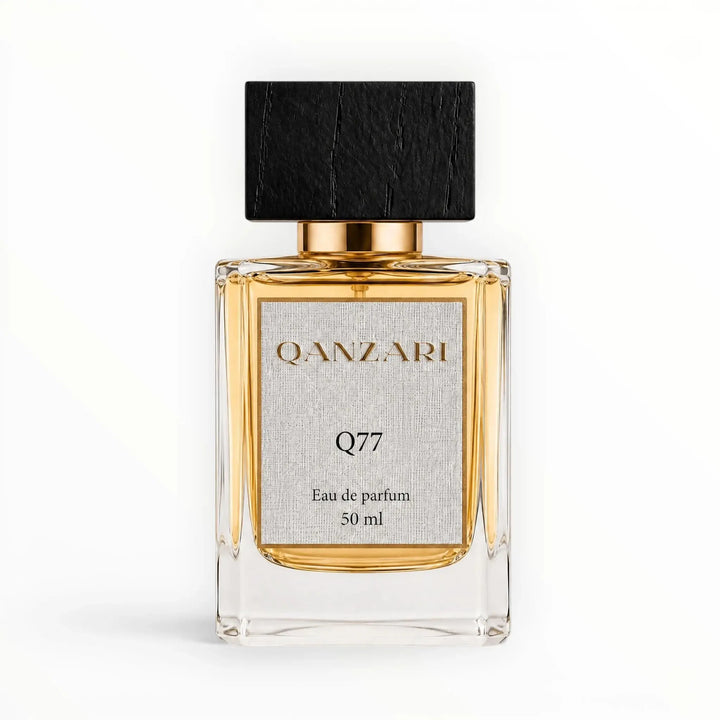
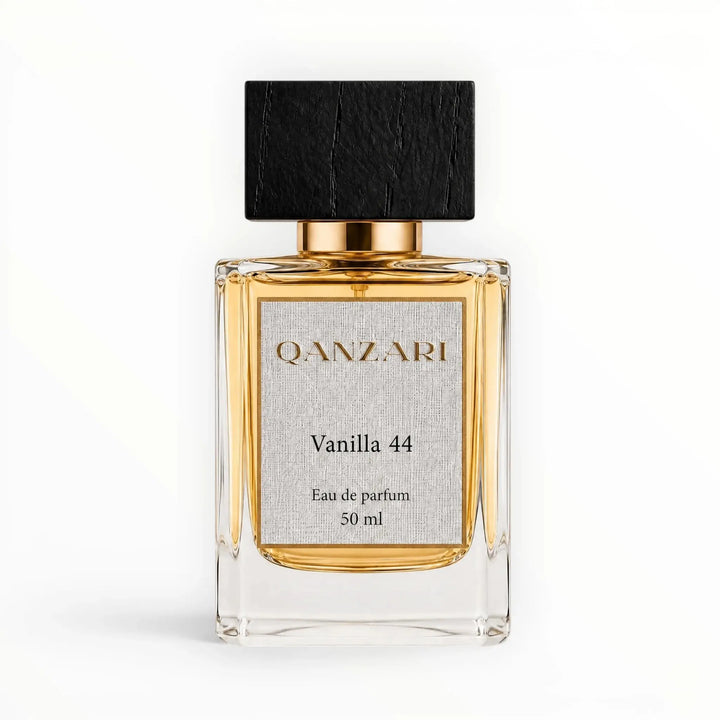
At Qanzari, that belief sits at the heart of luxury fragrance. A perfume should not only smell extraordinary. It should wear with intention, speak with character, and stay memorable long after the first encounter.
When deciding between eau de parfum and parfum, think less about which is stronger and more about which feels like you after the sun has set and the room still remembers you.