April 29, 2026
How to Apply Perfume Correctly
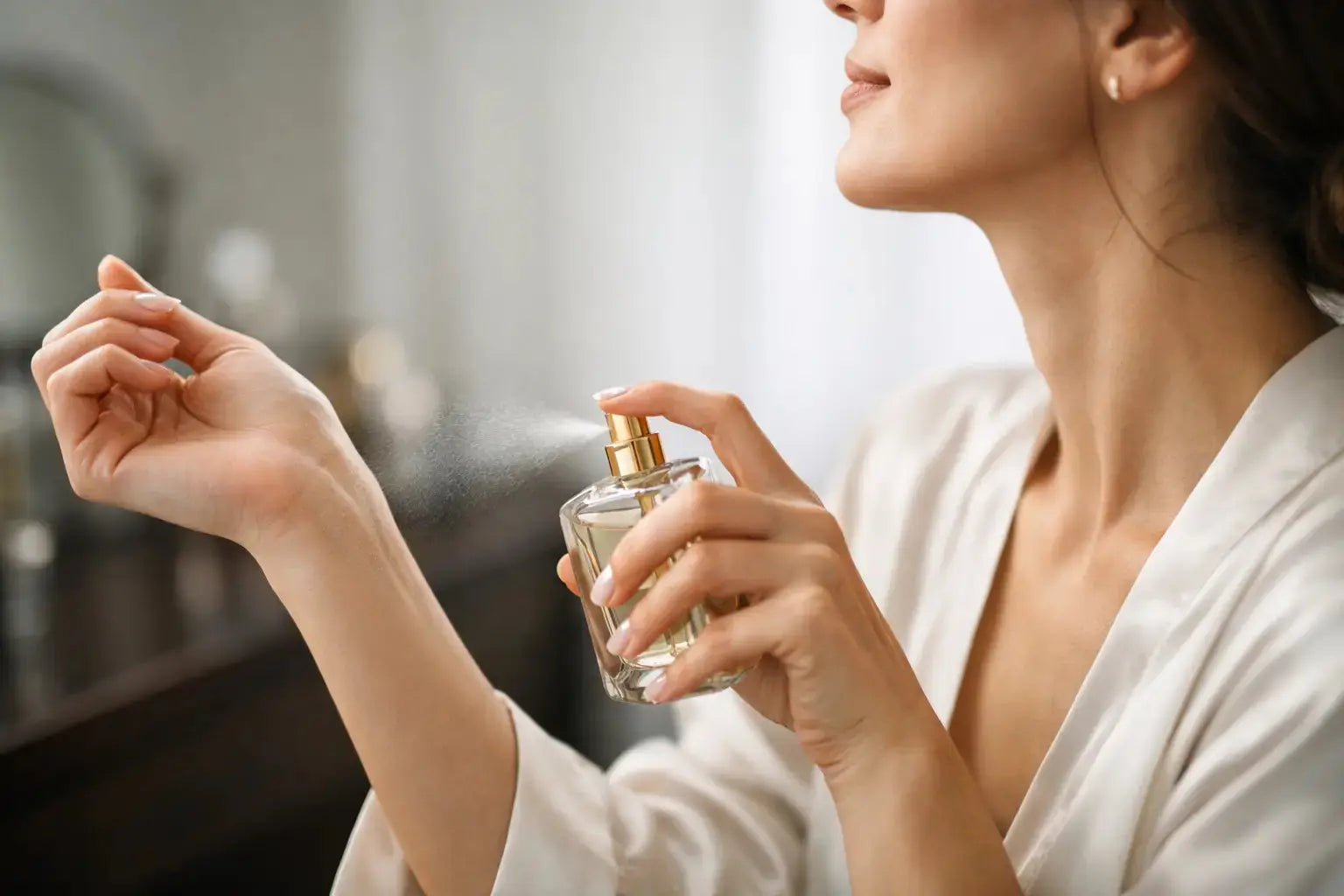
A beautiful fragrance can feel expensive in the bottle and disappointing on the skin if it is applied the wrong way. Knowing how to apply perfume correctly is what turns a scent from a brief impression into a lasting signature - refined, noticeable, and never overwhelming.
Perfume is not only about the scent itself. It is about placement, temperature, skin chemistry, and restraint. A rich amber, soft musk, or deep oud can smell magnetic when worn with intention. The same fragrance can feel heavy or disappear too quickly when sprayed carelessly. The difference is often not the perfume. It is the ritual.
How to apply perfume correctly for better performance
The first rule is simple: apply perfume to clean, moisturized skin. Dry skin tends to absorb fragrance too quickly, which can make even a long-lasting scent fade sooner than expected. After a shower, when skin is warm and hydrated, perfume tends to settle more smoothly and project more beautifully.
An unscented body lotion or cream can help even more. Fragrance molecules hold better on moisturized skin, especially in air-conditioned spaces or dry climates where scent can vanish faster than expected. If you live somewhere hot and humid, the fragrance may project more strongly, so balance matters. In that case, you may need fewer sprays, not more.
Pulse points are the traditional choice for a reason. These are areas where the skin gives off more warmth, helping the fragrance unfold gradually through the day. The wrists, sides of the neck, behind the ears, and inner elbows are all effective places. For evening wear or formal occasions, the chest can also work well, especially with warmer notes like vanilla, amber, and oud.
That said, pulse points are not a strict rule for every formula. Some powerful perfumes project generously from just one or two sprays on the neck. Others wear closer to the skin and benefit from a light mist across the chest or clothing. Luxury fragrance is not about excess. It is about control.
Where to spray perfume
If your goal is a scent that feels elegant rather than loud, start with two to four sprays total. One on the chest, one on the neck, and one or two on the wrists is often enough. Stronger extrait or oud-based compositions may need less. Lighter florals, citrus blends, or clean musks may need a little more, especially if you want a noticeable trail.
Many people spray perfume into the air and walk through it. It looks graceful, but it wastes fragrance and rarely gives even coverage. Direct application is more precise and far more effective. Hold the bottle a few inches from the skin and spray with intention.
Do not rub your wrists together after spraying. This is one of the most common mistakes, and it can disturb the top notes and change the opening of the fragrance. Let it dry naturally. A well-made perfume develops in stages, and that evolution is part of its beauty.
How to apply perfume correctly without overdoing it
The line between memorable and too much is thinner than most people think. A fragrance should invite attention, not demand it from across the room. If you can smell yourself constantly all day, there is a good chance you are wearing too much. The more refined effect is a scent that appears in moments - when you turn your head, greet someone, or pass by.
This is especially true with dense, luxurious profiles. Oud, resins, leather, musk, and sweet amber can carry strongly, particularly in warm weather. In cooler seasons, those same notes may sit closer to the body and need an extra spray. It depends on concentration, environment, and the nature of the scent itself.
Clothing also changes the equation. Fabric can hold fragrance for hours, sometimes longer than skin. One light spray on a shirt collar, scarf, or jacket can create impressive longevity. But there is a trade-off. Perfume may develop less naturally on fabric than on skin, and delicate materials can stain, especially with darker juice or oil-rich formulas. Always use caution with silk, white garments, and anything precious.
Hair is another option, but again, moderation matters. Hair carries scent beautifully because it moves and releases fragrance with warmth and motion. Still, alcohol-based perfumes can dry the hair if applied too often. A light mist from a distance is enough, or spray a brush lightly and run it through the ends.
Common mistakes that ruin a great fragrance
Too much perfume is the obvious mistake, but it is not the only one. Applying scent to sweaty or unclean skin can alter the fragrance and make it smell harsher. Spraying immediately before stepping into intense heat can also create a stronger cloud than intended. In a hot climate, less is often more during the day.
Another mistake is choosing application based on habit instead of the fragrance itself. Not every perfume should be worn the same way. A fresh daytime scent may suit a few broad sprays. A concentrated evening fragrance may only need one on the chest and one at the back of the neck. The formula tells you how it wants to be worn.
Storage matters too. Even if you know how to apply perfume correctly, poor storage can weaken the scent before it touches your skin. Keep bottles away from direct sunlight, heat, and humidity. A cool, dry space preserves the composition far better than a bathroom shelf.
Matching your perfume ritual to the occasion
A fragrance should suit the setting as much as the outfit. For work, close-contact meetings, or daytime wear, a softer application feels polished. Keep the scent near the skin. Let it be discovered, not announced.
For evenings, celebrations, and formal events, you can be a little more generous, especially with a fragrance built around warm woods, spice, amber, or vanilla. These notes come alive after sunset and carry a certain depth that feels natural in dressed-up settings. One extra spray on the chest or clothing may be all you need.
If you are layering products, be deliberate. Scented body creams, deodorants, and even hair products can compete with your perfume. Unscented grooming products give your fragrance room to speak clearly. If you do layer with matching scented products, the result can be richer and longer lasting, but only when the notes are aligned.
For those drawn to Arabian perfumery, application becomes even more expressive. Fragrances built with oud, musk, saffron, rose, sandalwood, or vanilla often have depth from the first spray to the final dry-down. They reward a lighter hand and confident placement. When crafted well, they do not need to shout. They stay with you like a signature.
Qanzari reflects that philosophy - luxury with presence, rooted in heritage and designed to wear beautifully in modern life.
The right amount is the elegant amount
People often ask how many sprays are correct, but there is no single answer. Skin type, fragrance concentration, weather, and occasion all change the number. Oily skin may hold fragrance longer. Dry skin may need a stronger base underneath. A humid evening in Dubai or Miami is different from a cold winter day in New York.
A good test is this: apply lightly, then give the fragrance fifteen minutes. The opening is only the first impression. Once the alcohol settles and the heart notes emerge, you will have a more honest sense of how strongly it wears. If needed, add one more spray next time rather than overcorrecting in the moment.
Fragrance should feel like part of your presence, not a layer sitting on top of it. When applied with care, perfume becomes intimate and powerful at once. It lingers on skin, catches on fabric, and leaves behind a quiet impression of taste.
The finest scents deserve more than a quick spray before the door opens. Give them skin, warmth, and a little patience, and they will return the favor with character that stays long after you have left the room.