May 23, 2026
A Guide to Luxury Perfume Notes
The first impression of a luxury fragrance is rarely the full story. What rises from the skin in the opening minutes may feel bright, smooth, or intoxicating, but the true character of a scent reveals itself in stages. That is why a guide to luxury perfume notes matters - especially if you want a fragrance that feels personal, polished, and unforgettable rather than simply pleasant at first spray.
In fine perfumery, notes are not random ingredients placed side by side. They are arranged with intention, building movement from the first breath to the final trace left on fabric, skin, and memory. Understanding that structure changes the way you shop for fragrance. You stop chasing labels and start recognizing the materials and accords that create presence, depth, and identity.
What luxury perfume notes really tell you
Perfume notes describe the scent impression you experience as a fragrance develops. They are often grouped into top, heart, and base notes, but luxury perfumery goes beyond that simple pyramid. In a well-made fragrance, the notes do not just appear and disappear in neat order. They overlap, soften, intensify, and settle depending on heat, skin chemistry, humidity, and concentration.
Top notes create the opening. These are often fresh, sparkling, or aromatic touches such as citrus, saffron, herbs, or light fruits. They matter because they shape the first encounter, but they are not usually what gives a fragrance its lasting identity.
Heart notes emerge as the opening relaxes. This is where florals, spices, resins, and soft woods often begin to define the fragrance’s mood. A heart can feel sensual, regal, clean, smoky, or warm. It carries the emotional center of the scent.
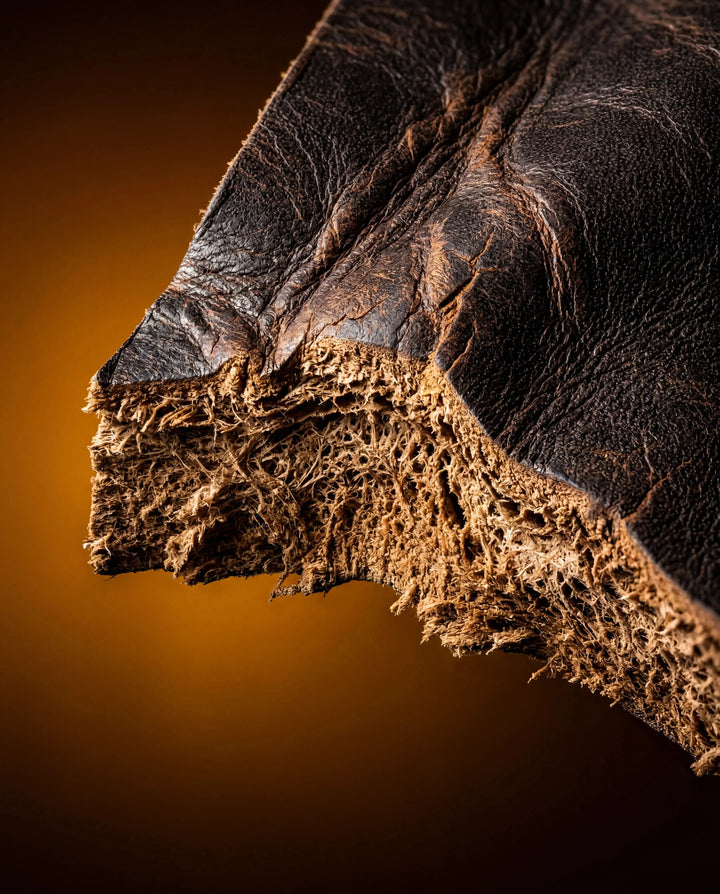
Base notes remain closest to the skin and often last the longest. This is where many luxury fragrances earn their depth. Oud, amber, musk, vanilla, sandalwood, leather, and patchouli often live here, anchoring the composition with richness and persistence.
When people say a perfume smells expensive, they are often responding to the quality and balance of the base. A luxurious scent does not need to be loud. It needs dimension.
A guide to luxury perfume notes by scent family
If you want to read fragrance descriptions with more confidence, start by recognizing the note families that appear again and again in premium perfumery.
Oud
Oud is one of the most revered notes in luxury fragrance, and for good reason. It can smell dark, woody, resinous, smoky, animalic, smooth, or quietly sweet depending on how it is sourced and blended. In Arabian perfumery, oud carries heritage as much as scent. It signals depth, ritual, and status.
Not every oud fragrance is heavy. Some are polished with rose or saffron, while others are softened by vanilla and musk. If you are new to oud, the best introduction is often a composition where it supports the fragrance rather than dominates it. If you already love bold scent trails, a more prominent oud can feel commanding and unforgettable.
Amber
Amber is warmth made visible through scent. In perfumery, amber is usually an accord rather than a raw material, built to create a glowing impression of resin, sweetness, and soft spice. It can feel golden, enveloping, and sensual.
Amber works especially well in evening fragrances and in scents designed for cooler interiors, formal gatherings, or lingering wear. In warmer climates, the quality of the blend matters even more. A refined amber should feel rich, not sticky. It should move with the skin instead of sitting too heavily on it.
Musk
Musk is often misunderstood because people expect it to smell obvious. In reality, musk can be clean and airy, soft and skin-like, or warm and intimate. Its role is often to create texture and longevity rather than steal attention.
In a luxury fragrance, musk can make woods feel smoother, florals feel more sensual, and sweet notes feel more elegant. If you want a scent that draws people closer rather than announcing itself across a room, musk is often the note doing that quiet work.
Vanilla
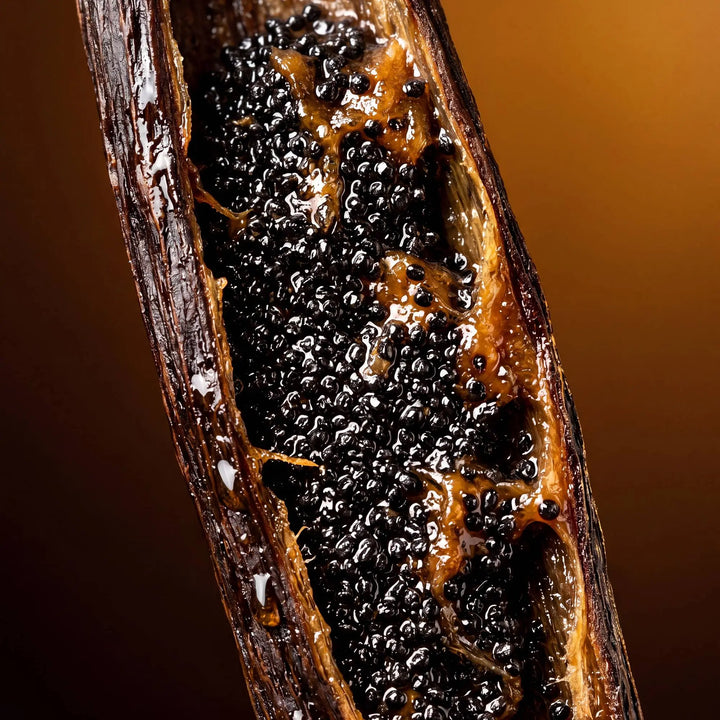
Vanilla in premium perfumery is far from simple dessert sweetness. Depending on the formula, it can feel creamy, smoky, resinous, spiced, or almost boozy. It adds comfort, but in the right composition it also adds sophistication.
Vanilla is especially compelling when paired with oud, amber, or leather. It rounds the edges of darker notes and creates a richer finish. The trade-off is that too much sweetness can flatten a fragrance, so balance matters. A luxury vanilla should feel smooth and layered, not sugary.
Rose and white florals
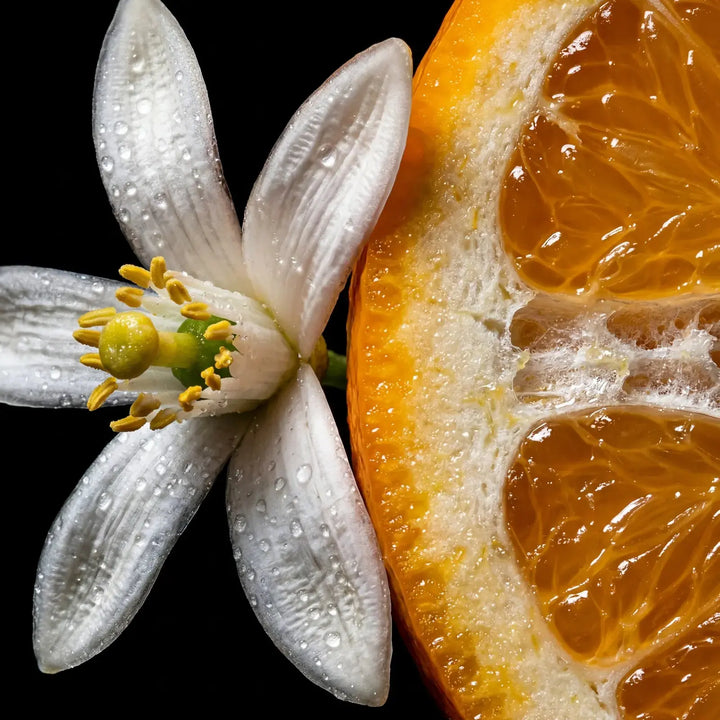
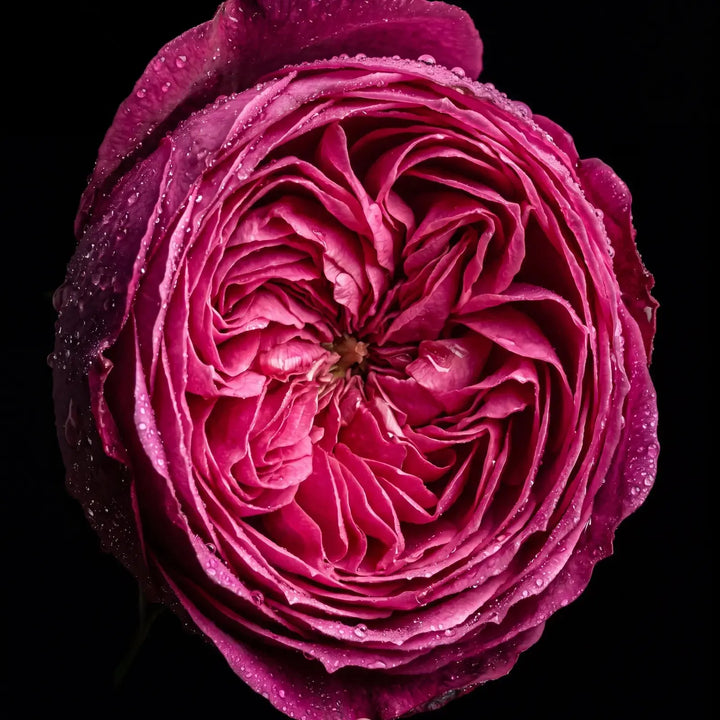
Floral notes remain central to many high-end fragrances, but not all florals wear the same way. Rose can be velvety, jammy, fresh, or incense-like. Jasmine can feel radiant and sensual. Orange blossom brings light, while tuberose brings drama.
For those who prefer a more commanding signature, florals paired with oud, musk, or woods often feel more modern than florals on their own. A floral note in luxury perfumery is rarely there just to smell pretty. It is there to shape mood.
Woods, spices, and resins
Sandalwood, cedar, patchouli, saffron, frankincense, and myrrh all contribute to the richness people often associate with prestige fragrance. Woods create polish. Spices create lift and intrigue. Resins create shadow, warmth, and ceremonial depth.
These notes are especially powerful when you want a scent to feel dressed rather than casual. They tend to age beautifully on the skin and often reveal more character over time than bright, fleeting openings.
How to read a luxury fragrance description
A fragrance description can sound seductive, but the real clues are usually in the notes themselves. If you see bergamot, saffron, and pink pepper at the top, expect an opening with sparkle and spice. If the heart includes rose, incense, or jasmine, the scent may grow more sensual and expressive after a few minutes. If the base holds oud, amber, vanilla, musk, or sandalwood, you are likely looking at a fragrance with staying power and presence.
What matters is not just which notes appear, but how they are paired. Oud with citrus feels very different from oud with leather. Vanilla with amber feels different from vanilla with white florals. The same note can lead to elegance, intensity, or softness depending on the company it keeps.
This is where many buyers make a costly mistake. They search by one note alone. If you love oud, for example, that does not mean every oud fragrance will suit you. One may feel ceremonial and smoky, another smooth and wearable, another sweet and modern. The note is the beginning, not the conclusion.
Why some notes perform better in heat
Climate changes fragrance. Heat amplifies projection, sweetness, spice, and resinous depth. A scent that feels restrained in a cool room may bloom dramatically outdoors. This is why note selection matters so much for those who want luxury fragrance that performs beautifully in warmer conditions.
Citrus-heavy scents can feel refreshing, but they may fade faster. Dense gourmands can become too rich if the formula is not carefully balanced. Woods, musks, amber, and refined oud often perform well because they hold structure and character even as the temperature rises.
That does not mean every warm-weather luxury fragrance should be dark. It means the composition should be controlled. Smooth woods, clean musk, restrained sweetness, and polished spice often create the most elegant result.
A guide to luxury perfume notes for finding your signature scent
The best signature fragrance is not always the most complex or the most intense. It is the one that fits your presence. If you dress with precision, lean toward woods, musks, leather, and dry spice. If you want a more sensual signature, amber, vanilla, rose, and oud create a richer aura. If you prefer something quietly distinguished, seek blends where musk, sandalwood, or soft florals stay close to the skin.
It also depends on when and where you wear fragrance. A formal evening scent can carry darker resins and deeper sweetness. A daily signature may need more air, more polish, and less density. There is no virtue in choosing the boldest perfume if it does not suit your routine.
One useful shift is to judge a fragrance by its dry down, not just its opening. The first five minutes can charm almost anyone. The final hours tell you whether the scent truly belongs to you.
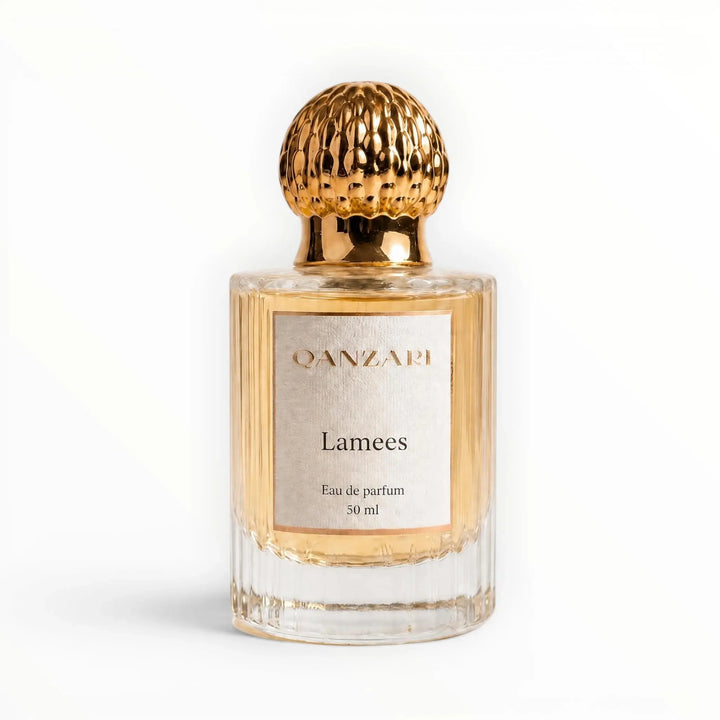
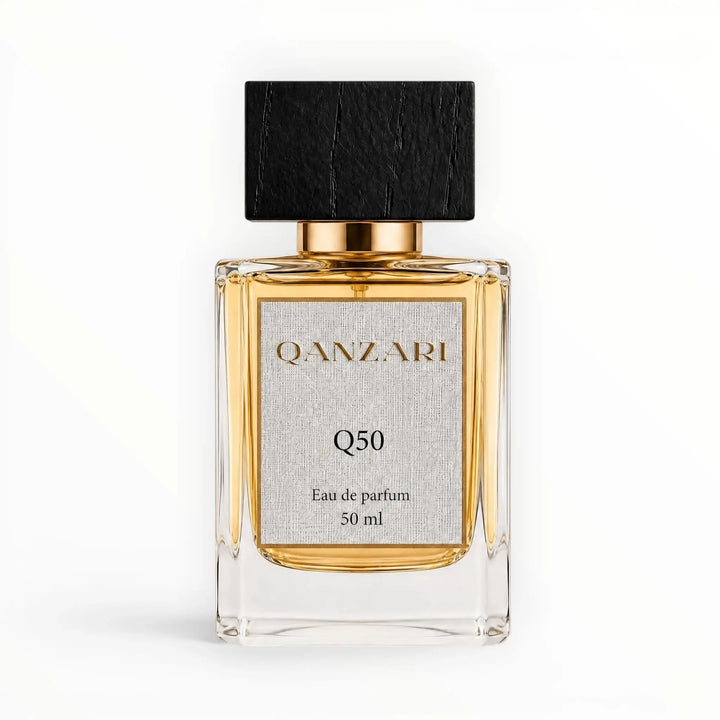
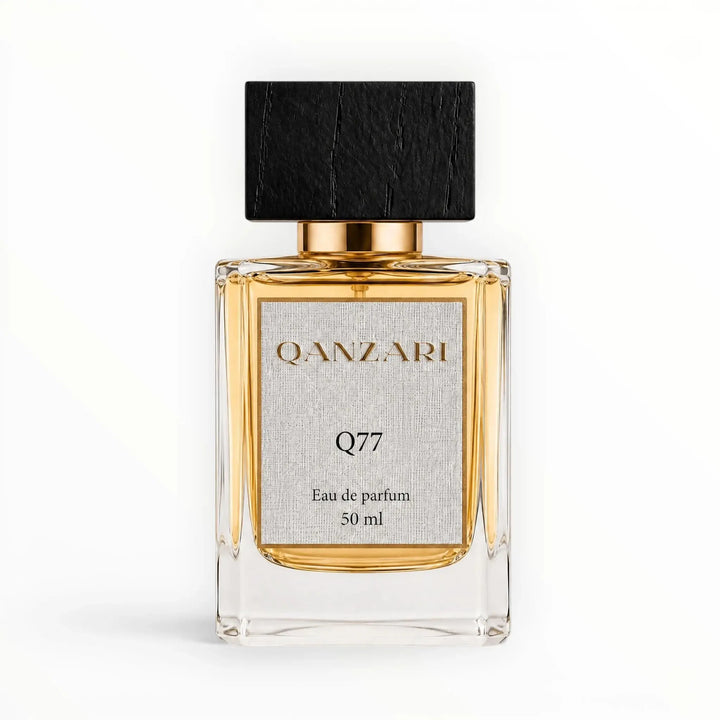
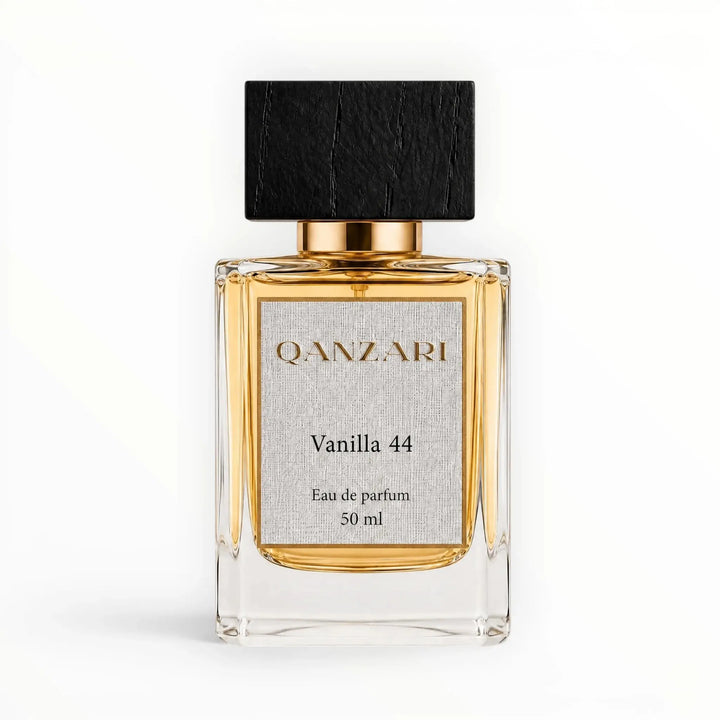
At Qanzari, this philosophy feels especially natural. Arabian-inspired perfumery has always understood that fragrance is not a quick impression. It is a trail, a mood, and a form of presence that unfolds over time.
Luxury perfume notes are worth learning because they give you language for what your instincts already recognize. You know when a scent feels thin, when it feels heavy, and when it feels quietly magnificent. The more you understand oud, amber, musk, vanilla, florals, woods, and resins, the easier it becomes to choose fragrance with intention - and to wear it like part of your legacy.