August 23, 2026
Why Does Oud Smell Expensive? The Real Reason
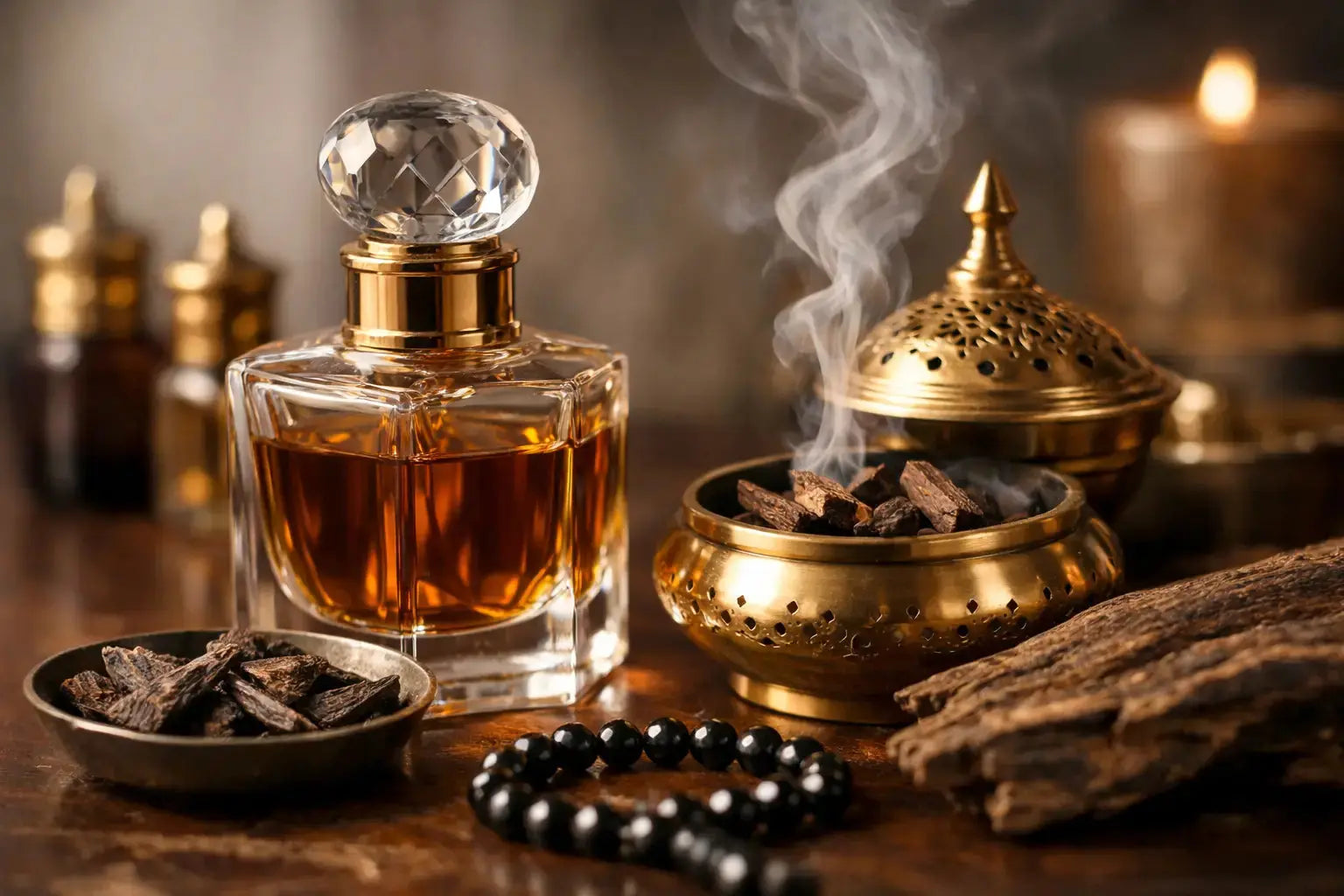
A trace of oud can change the entire character of a fragrance. It brings depth where a scent might otherwise feel pleasant but familiar, and presence where lighter notes disappear too quickly. So, why does oud smell expensive? The answer is not simply its price. True oud carries rarity, time, complexity, and a cultural legacy that has shaped Arabian perfumery for centuries.
For those who want a fragrance to feel like a signature rather than an accessory, oud offers something unmistakable: warmth, mystery, and the quiet confidence of a scent that stays close long after the room has changed.
Why Does Oud Smell Expensive?
Oud, also known as agarwood, comes from the heartwood of certain Aquilaria trees. When the tree undergoes a natural process of infection or stress, it creates a dark, fragrant resin as a defense. This resinous wood is what becomes oud.
The process is rare. Not every tree develops resin, and even among resin-bearing trees, the quality and aromatic profile can vary dramatically. A piece of wood may need years, sometimes decades, to develop the density and character prized by perfumers. That scarcity is part of oud's value, but its scent is what makes the impression endure.
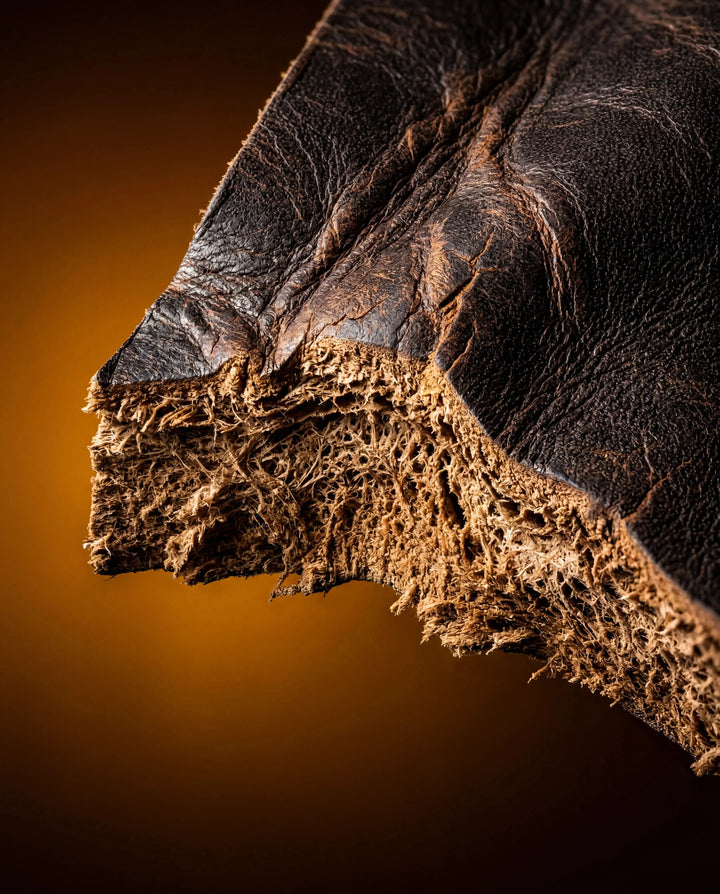
Natural oud does not smell flat or obvious. It can be woody, smoky, leathery, earthy, sweet, balsamic, animalic, or softly medicinal, often shifting from one facet to another as it warms on the skin. This evolution feels rich because it is rich. A finely composed oud fragrance has dimension, much like polished wood, aged leather, or amber glowing in late desert light.
Luxury is often recognized through restraint. Oud does not need to shout. Even when it is bold, it has weight and texture that give a composition authority.
Rarity Creates a Sense of Value
Many ingredients smell expensive because they are difficult to source, refine, or reproduce. Oud belongs to all three categories. Genuine agarwood is limited, and responsible sourcing matters deeply. The tree must be cultivated and harvested with care, while the resinous material must be selected, distilled, or aged by skilled hands.
The extraction itself demands patience. Oud oil can be produced through traditional distillation methods that draw fragrance from resinous wood over long periods. The final oil is intensely concentrated, and small differences in origin, age, and processing can create completely different results.
Cambodian, Indian, Thai, and Malaysian oud profiles, for example, can each carry their own signature. One may feel sweeter and more honeyed; another may lean darker, smokier, or more leathery. This sense of place gives oud a character similar to a rare material shaped by its environment.
That said, expensive does not always mean natural oud is used in large quantities. Some exceptional fragrances use a small amount of real oud alongside high-quality accords and supporting notes. The measure of luxury is not a dramatic claim on the bottle. It is the balance, longevity, and emotional effect on skin.
Oud Has the Texture of Fine Materials
Certain scents are immediately associated with luxury because they recall materials we already perceive as refined. Oud can suggest polished wood, worn leather, incense smoke, dark honey, precious resins, and antique cabinets lined with spice. These are not bright, simple impressions. They are textured and atmospheric.
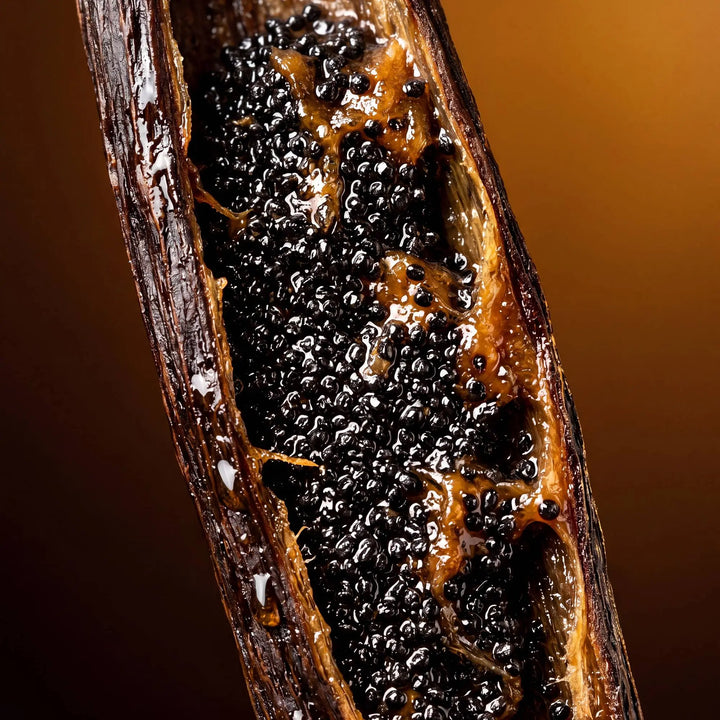
A well-built oud fragrance also creates contrast. Rose can make it feel velvety and romantic. Amber gives it a golden glow. Vanilla softens the darker edges with creamy warmth, while musk brings a skin-like finish that feels intimate rather than heavy. In Arabian perfumery, this layering is part of the art. Oud is often not meant to stand alone. It is meant to reveal more beauty when paired with the right companions.
This is why an oud perfume can feel dressed rather than merely scented. It has structure. The opening makes an introduction, the heart deepens, and the base remains with calm, polished force.
The Slow Development Feels Luxurious
Mass-market fragrances often rely on an immediate burst of fresh citrus, fruit, or clean musks. There is nothing wrong with that style, but it can feel familiar because the scent announces most of its identity at once.
Oud works differently. It tends to unfold slowly, especially when supported by amber, woods, resins, and vanilla. At first, it may appear dry or smoky. Then it can become smoother, warmer, sweeter, or more sensual as it merges with the natural warmth of the skin.
This evolution creates the feeling of craftsmanship. A fragrance that changes beautifully over several hours feels considered. It rewards proximity. Someone standing close may notice a softer, more personal side of the scent than someone who caught its first impression across the room.
In warm climates, this matters even more. Heat can amplify perfume, exposing rough edges in a poorly blended composition. A refined oud fragrance is designed to retain its elegance as it blooms. Its depth helps it perform, while careful blending keeps that performance from becoming overwhelming.
Why Oud Often Lasts Longer
Oud's expensive impression is closely connected to its staying power. It is commonly used in the base of a fragrance, where heavier materials anchor more volatile top notes. The result is a scent that can stay present through a long day, a formal evening, or a warm night outdoors.
Longevity, however, depends on the entire formula. Concentration, skin type, climate, and application all play a role. An extrait or perfume oil may wear differently than an eau de parfum. A sweeter amber-oud blend may project more strongly than a dry, woody oud composition. More projection is not automatically more luxurious. Sometimes the most elegant fragrance is the one discovered, not announced.
Apply oud with intention: on pulse points, lightly on clothing if the fabric allows, and with a measured hand. Its character is powerful enough that a few sprays can create a memorable trail.
Heritage Gives Oud Its Prestige
Oud is not a trend borrowed from luxury. It is a foundation of scent culture across the Middle East, valued in homes, ceremonies, personal rituals, and fine perfumery. Its presence carries memory: incense warming a room, bakhoor scenting fabric, a treasured oil applied before an occasion, the welcoming atmosphere of Arabian hospitality.
This heritage gives oud an emotional richness that cannot be captured by a single fragrance note description. For many wearers, it signals celebration, composure, and generosity. For others, it is a modern way to wear a tradition with confidence.
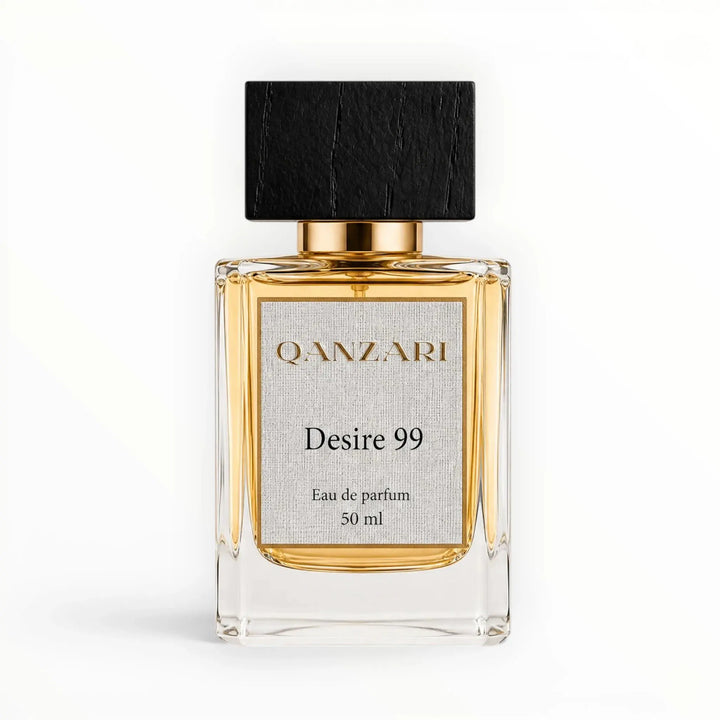
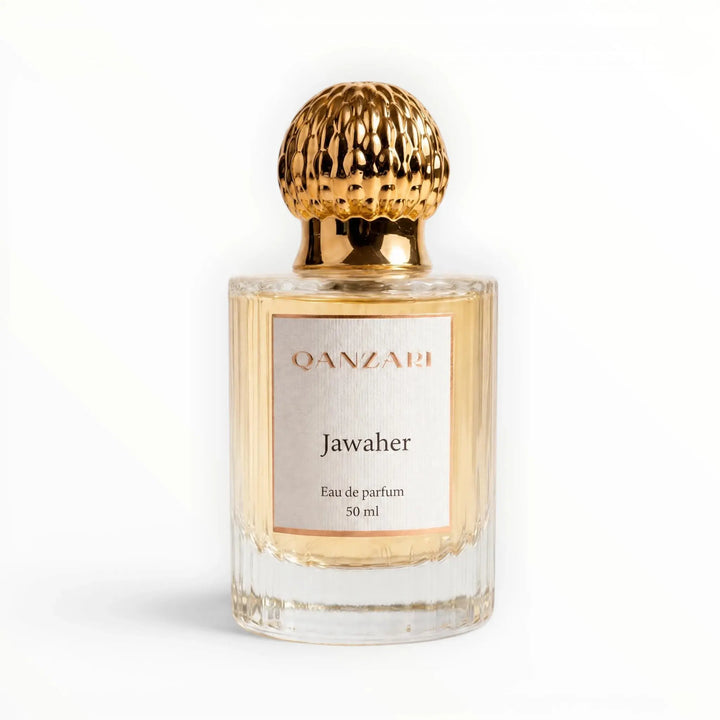
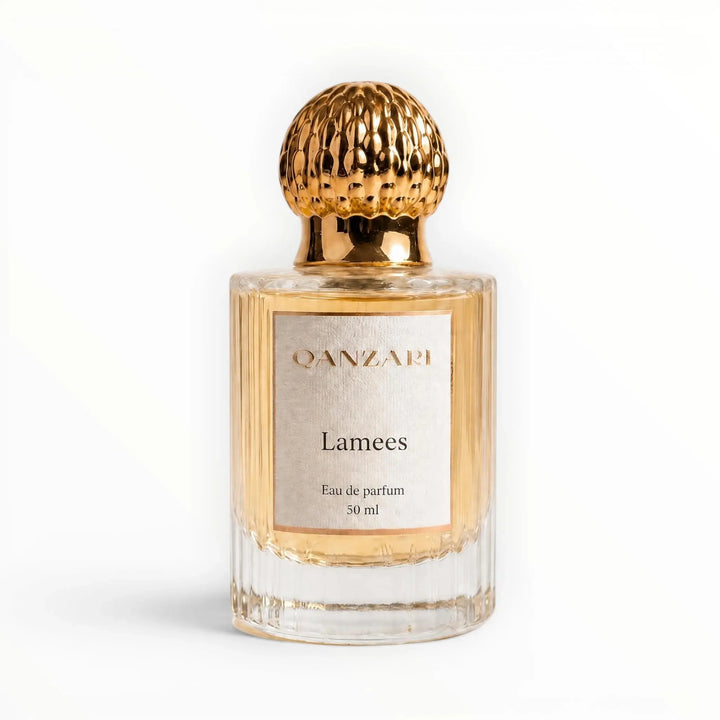
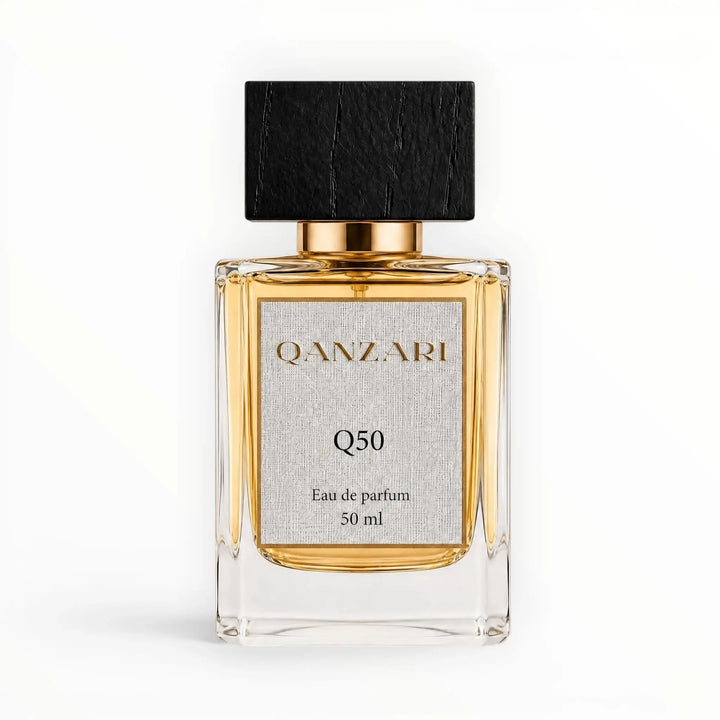
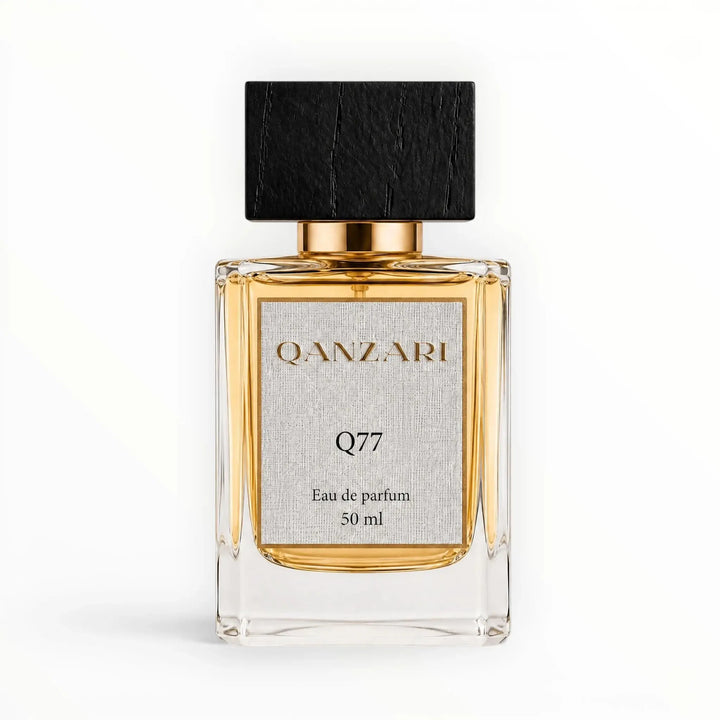
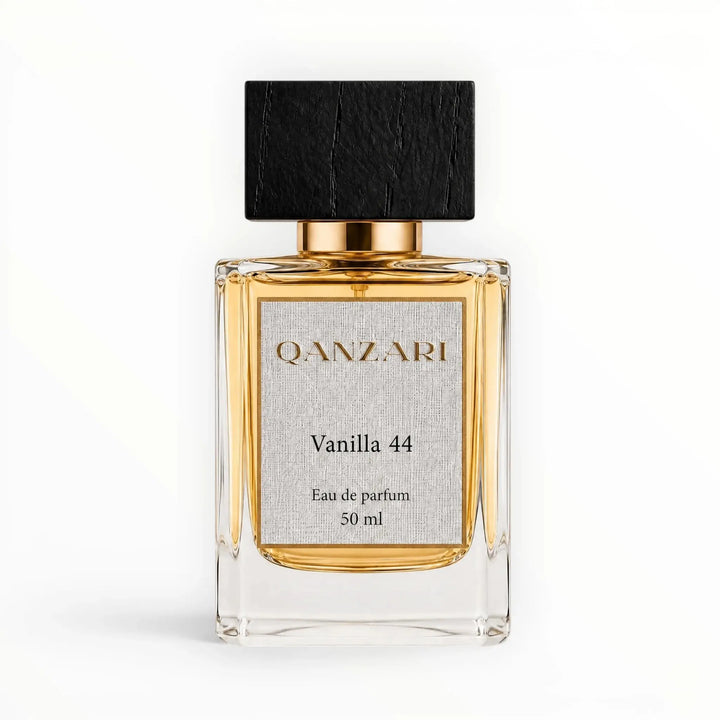
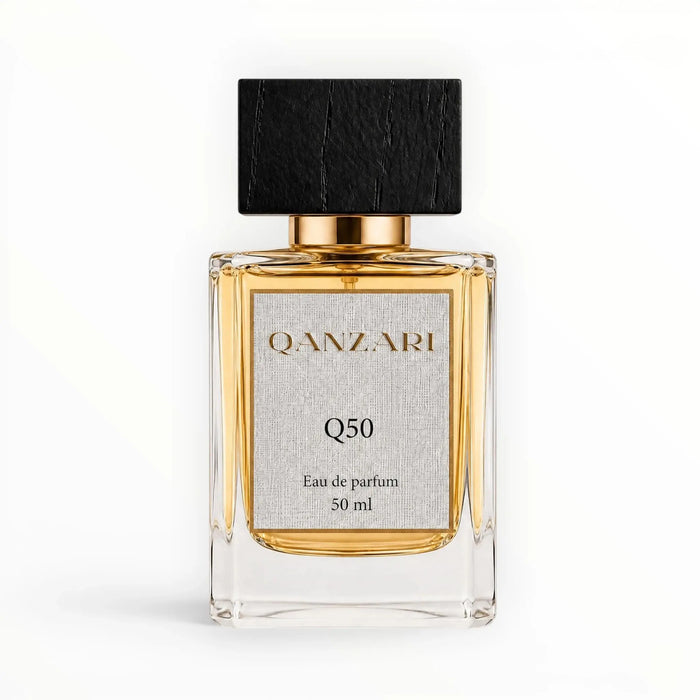
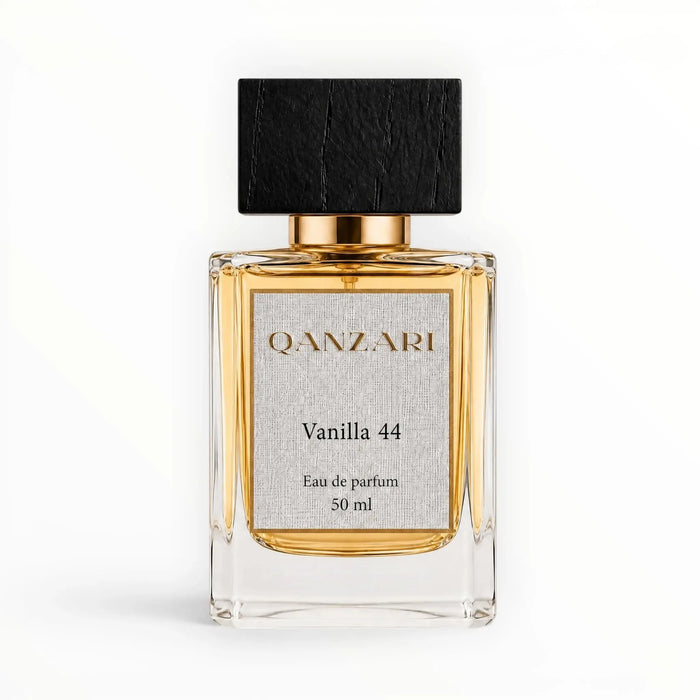
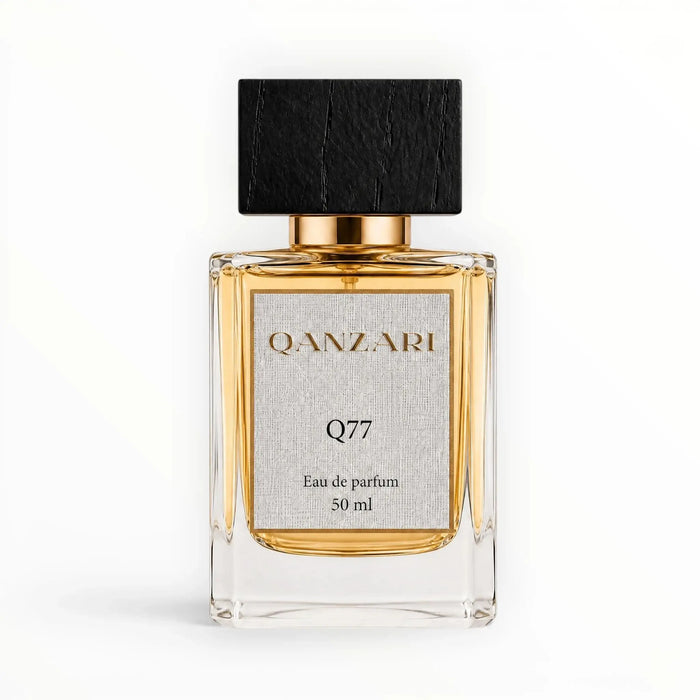
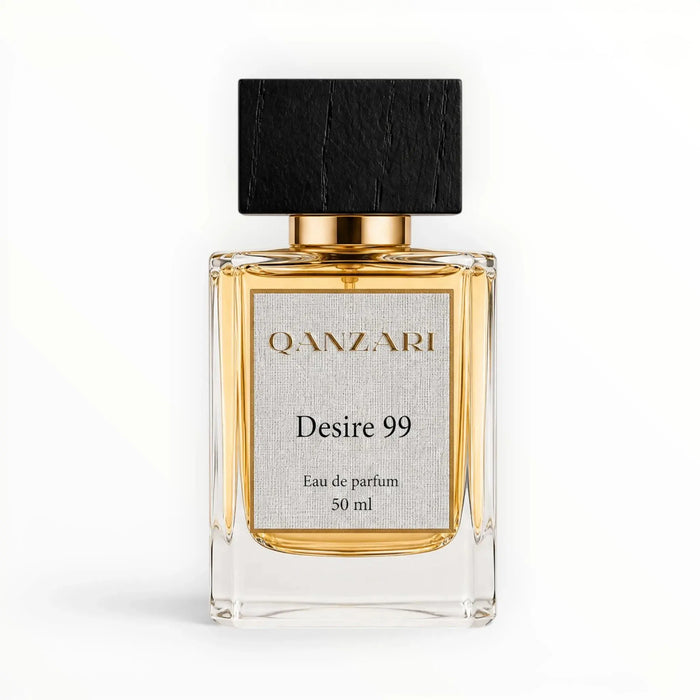
At Qanzari, that heritage meets a contemporary vision of luxury: oud shaped with amber, musk, and vanilla to create fragrances that feel distinctive, elegant, and made to endure. The goal is not to make oud feel distant or difficult. It is to let its depth become part of a polished personal presence.
Is Every Oud Fragrance Meant to Smell Dark?
No. Oud is remarkably versatile. Some blends are smoky and intense, made for those who enjoy a dramatic, evening-ready scent. Others are smooth, sweet, floral, or creamy, with oud serving as a deep foundation rather than the loudest note.
If you are new to oud, a composition softened with vanilla, amber, rose, or clean musk can be an inviting place to begin. If you prefer stronger fragrance identities, seek an incense-led, leathery, or woody profile. The best choice depends on how you want your scent to be remembered: warm and welcoming, dark and commanding, or quietly magnetic.
Oud smells expensive because it asks for time - from the tree, from the perfumer, and from the wearer. Let it settle on your skin, and its true luxury is not just what it costs or how long it lasts. It is the impression it leaves behind: deep, composed, and impossible to mistake for ordinary.