June 12, 2026
A Guide to Arabian Perfume Craftsmanship
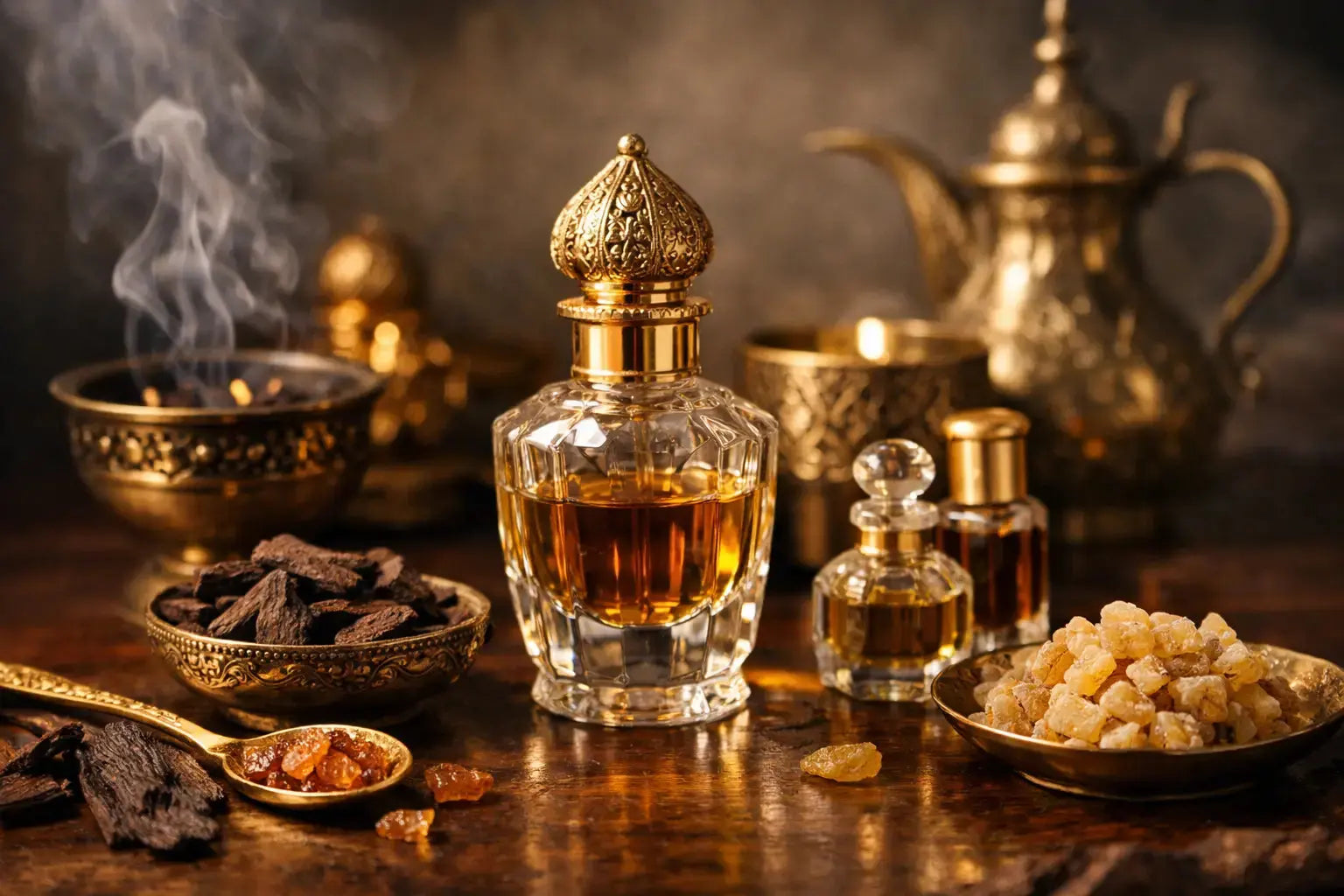
Some fragrances announce themselves, then disappear by noon. Arabian perfumery was never built for that. It was shaped by heat, ritual, and presence - the kind of scent tradition that lingers on skin, fabric, and memory. This guide to arabian perfume craftsmanship begins there: with a perfume culture designed not just to smell beautiful, but to leave a lasting impression.
For anyone drawn to oud, amber, musk, and vanilla, craftsmanship matters as much as the final aroma. Two perfumes can share familiar notes on paper and feel entirely different in wear. One reads flat and fleeting. The other unfolds with depth, texture, and a quiet sense of authority. That difference is rarely accidental. It comes from material quality, blending discipline, and an understanding of how fragrance behaves in real life, especially in warm climates.
What defines a guide to Arabian perfume craftsmanship
Arabian perfume craftsmanship is rooted in both artistry and cultural memory. It draws from ingredients long associated with hospitality, ceremony, personal grooming, and status. But tradition alone does not make a fragrance exceptional. True craftsmanship lies in how those materials are chosen, balanced, and matured into something polished enough for modern wear.
At its core, this style of perfumery favors richness over transparency and character over anonymity. Oud lends gravity. Amber adds warmth and glow. Musk brings softness, skin, and longevity. Vanilla can smooth sharp edges or create a creamy trail that feels opulent rather than sugary. These materials are not used simply because they are recognizable. They are used because, in skilled hands, they build perfumes with volume, warmth, and presence.
That said, not every Arabian fragrance should be dense or overpowering. One of the most common misconceptions is that strength alone equals luxury. In reality, refinement often shows up in control. A well-crafted Arabian scent can be powerful without becoming harsh, sensual without turning sticky, and bold without losing elegance.
The ingredients behind the signature
Raw materials are where the story starts. In Arabian-style perfumery, the ingredients carry emotional and cultural weight, but they also perform a structural role in the formula.
Oud as structure, not spectacle
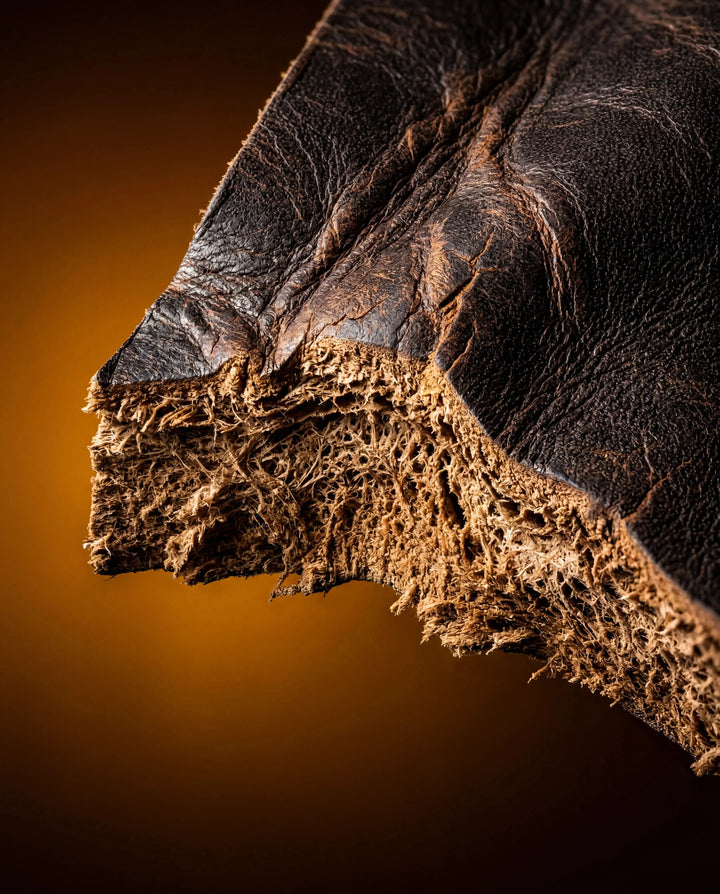
Oud is often treated like a headline note, but in fine perfumery it does more than dominate. It adds shape, depth, and an almost architectural quality to a composition. Depending on its style, oud can smell woody, smoky, leathery, medicinal, resinous, or softly animalic. The skill is not in making oud loud. It is in using it with enough restraint that its complexity stays intact.
This is where quality becomes obvious. Lower-grade oud impressions can feel sharp, synthetic, or one-dimensional. Better interpretations carry nuance. They move. They reveal dry woods, resin, shadow, and warmth in stages. For many wearers, this is what creates the feeling of prestige.
Amber, musk, and vanilla in balance
Amber is one of the pillars of the Arabian fragrance identity, yet it can mean different things in different formulas. Sometimes it reads resinous and golden. Sometimes it feels sweet, enveloping, and almost glowing on the skin. Musk, meanwhile, is often the hidden force behind a perfume’s elegance. It softens transitions, creates intimacy, and helps the scent feel expensive rather than noisy.
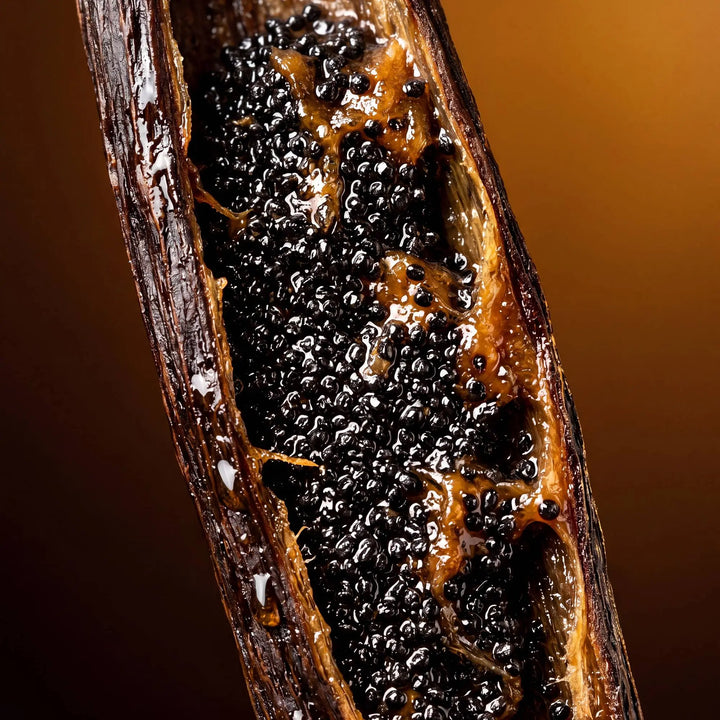
Vanilla is especially revealing. In mass-market fragrance, it can lean sugary and obvious. In luxury Arabian compositions, it is more often used for contour. It rounds out dry woods, cushions resins, and adds creaminess to darker accords. The result should feel smooth and confident, not dessert-like.
Why blending matters more than the note list
A note list can tell you what is inside a perfume, but not how it was built. Craftsmanship lives in the transitions.
When a fragrance is blended well, the opening does not feel disconnected from the heart, and the base does not arrive like a separate product hours later. There is a sense of continuity. The brighter notes prepare the way for richer ones. Resins soften woods. Musks keep heavier materials close to the skin in a way that feels sensual instead of dense.
This is especially important with Arabian-inspired scents because many of the raw materials are naturally commanding. If blended poorly, they compete. If blended with skill, they move like layers of fabric - distinct, but fluid together.
There is also a trade-off here. The bolder the materials, the easier it is for a fragrance to become polarizing. Some wearers want that. Others want a signature that feels luxurious but still versatile enough for evening, events, or daily wear in a professional setting. Good craftsmanship accounts for this tension rather than ignoring it.
Aging, maceration, and the patience behind depth
Some perfumes are mixed and rushed to market. Others are given time to settle, mature, and become whole. In Arabian perfume craftsmanship, aging can make a visible difference in texture and harmony.
As a blend rests, sharp edges often soften. Woods become smoother. Sweetness integrates. Resins feel less abrupt and more polished. This does not magically fix a weak formula, but it can elevate a strong one. The final perfume feels rounder, richer, and more coherent on the skin.
For the customer, this matters because depth is not just about concentration. A very concentrated perfume can still smell raw or unbalanced. Maturation is part of what gives a fragrance its composed character - the sense that every facet is there for a reason.
Crafting perfume for heat and humidity
One of the clearest signs of serious Arabian craftsmanship is climate awareness. Perfume behaves differently in the Gulf than it does in colder regions. Heat amplifies projection. Humidity can thicken sweetness. Notes that feel controlled indoors may bloom dramatically outside.
That is why climate-suited fragrance design matters. Rich ingredients such as oud, amber, and musk can perform beautifully in warmth when they are calibrated with precision. The goal is not merely endurance. It is elegance under heat.
A well-made fragrance for warmer conditions tends to avoid two extremes. It should not vanish within an hour, and it should not become suffocating by midday. Achieving that balance takes more than increasing oil content. It requires a clear understanding of diffusion, drydown, and skin interaction.
For buyers, this is one of the most practical markers of quality. If a perfume is marketed as luxurious but collapses in warm weather or turns overly sweet, the craftsmanship is not complete.
How to recognize quality when shopping
A practical guide to arabian perfume craftsmanship should help you read beyond the packaging. Luxury presentation matters, but the perfume itself tells the truth.
Start with the opening, but do not judge too quickly. Some rich fragrances need a few minutes to settle before their polish appears. Then pay attention to how the scent develops. Does it expand naturally, or does it jump from one loud idea to another? Does the oud feel textured or harsh? Does the sweetness stay refined, or does it become sticky? Does the musk create softness, or is the entire composition simply heavy?
Longevity also needs context. Lasting power is desirable, especially in premium perfumery, but performance should include character, not just duration. A scent that survives for ten hours but becomes flat after the first two is less impressive than one that keeps evolving with grace.
It also helps to think about identity. The best Arabian-inspired fragrances do not smell generic, even when they use familiar materials. They carry a point of view. They feel intentional. In that sense, craftsmanship is not only technical. It is editorial. Someone decided what this perfume should say, and just as importantly, what it should leave unsaid.
Heritage and modern luxury can coexist
There is a reason Arabian perfumery continues to resonate far beyond the region. It offers what many mass fragrances no longer do: richness, memory, and individuality. Yet the modern wearer often wants that heritage expressed with clean lines, contemporary polish, and wearable sophistication.
That balance is where exceptional fragrance houses distinguish themselves. They respect the codes of oud, amber, musk, and warm sweetness without making the perfume feel trapped in nostalgia. The result is a scent that honors tradition while fitting seamlessly into a modern wardrobe, evening setting, or signature daily ritual.
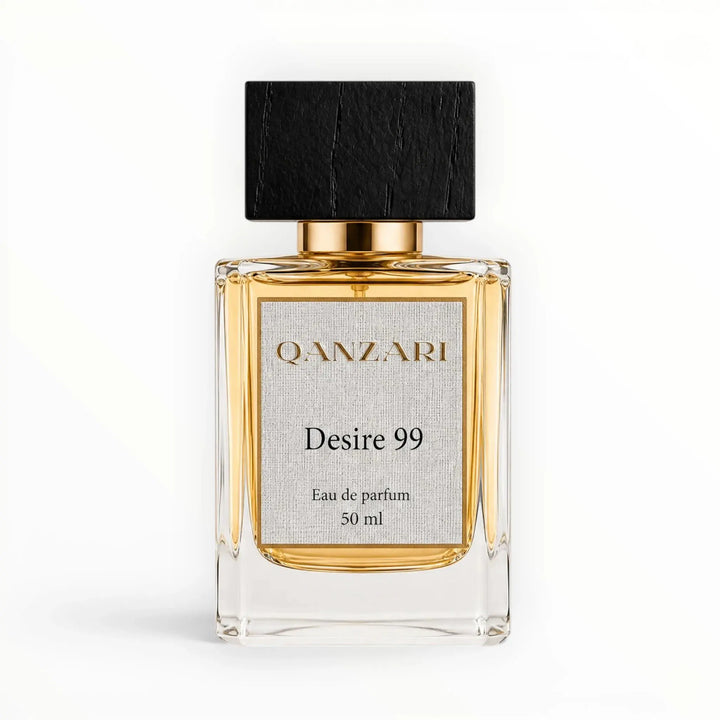
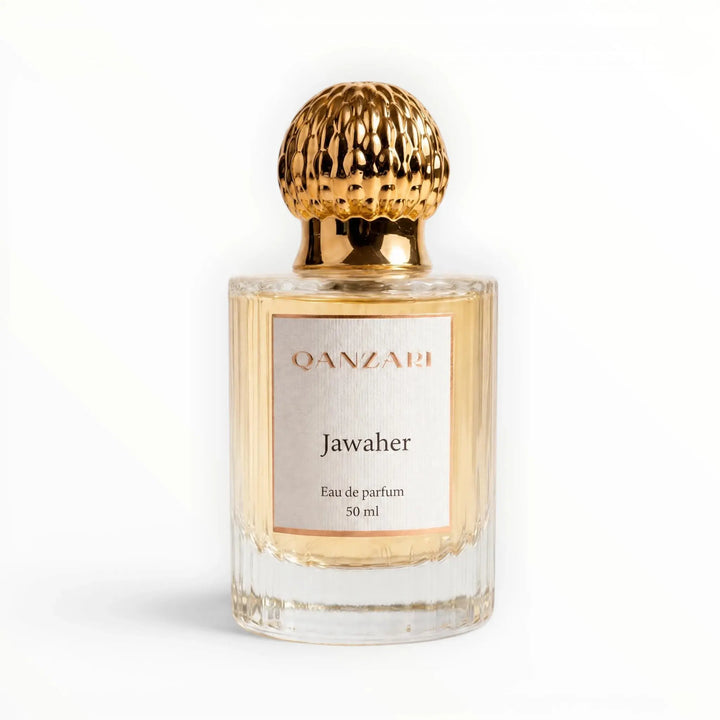
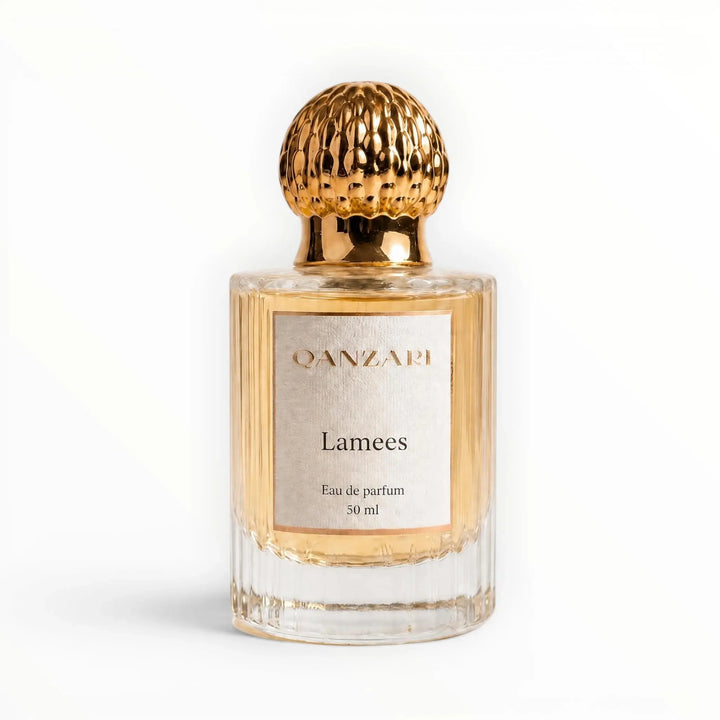
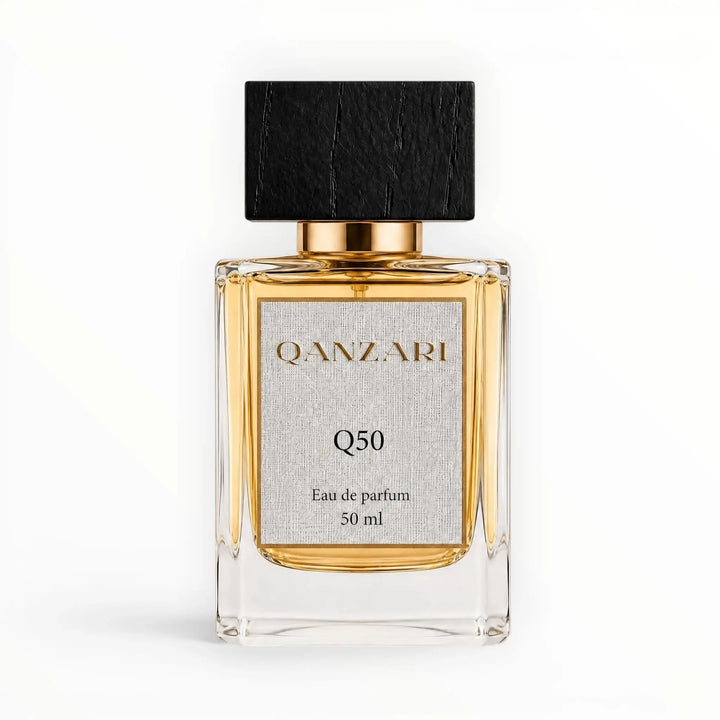
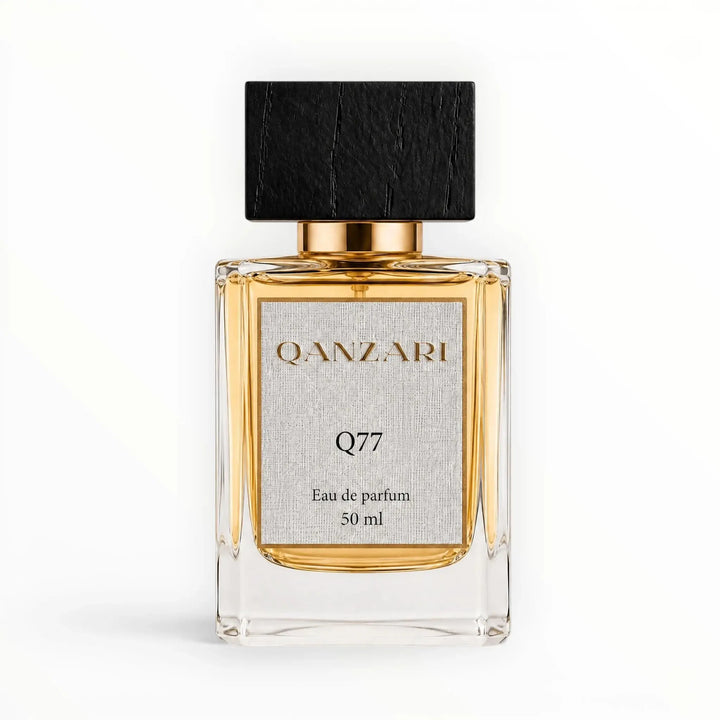
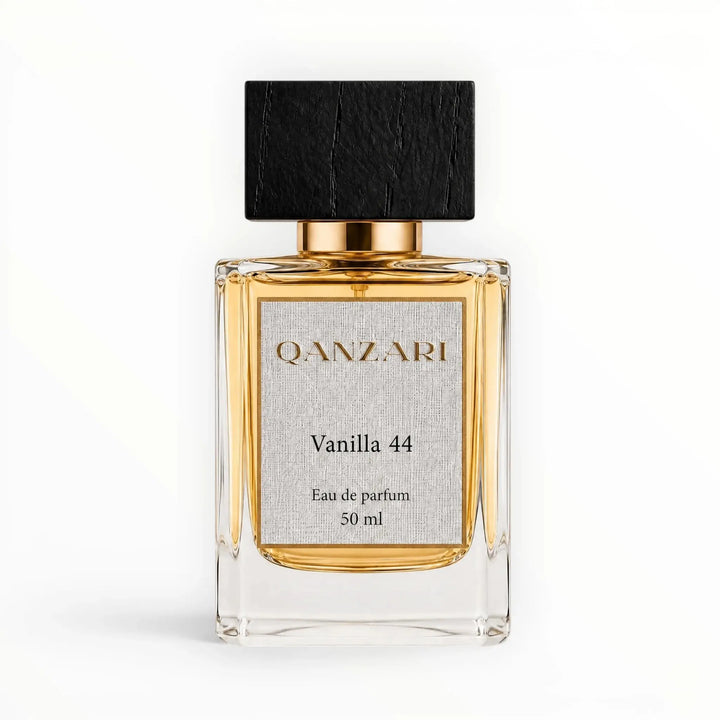
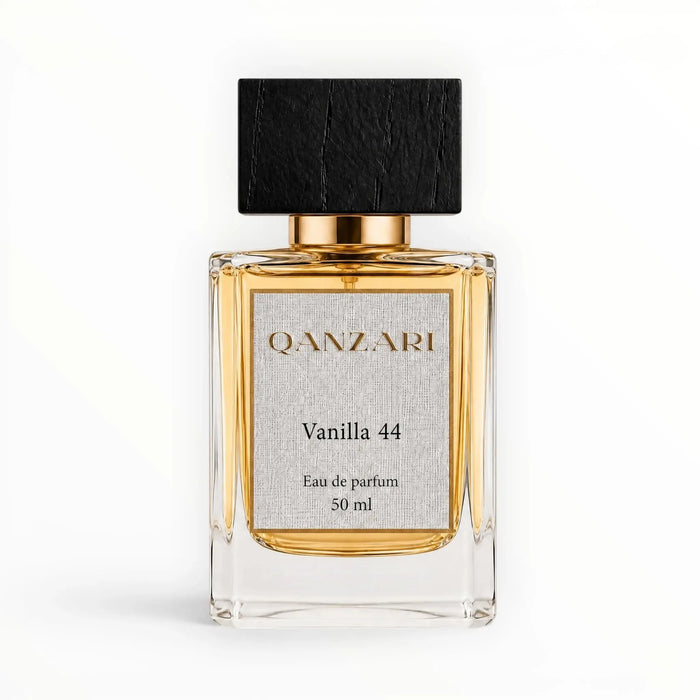
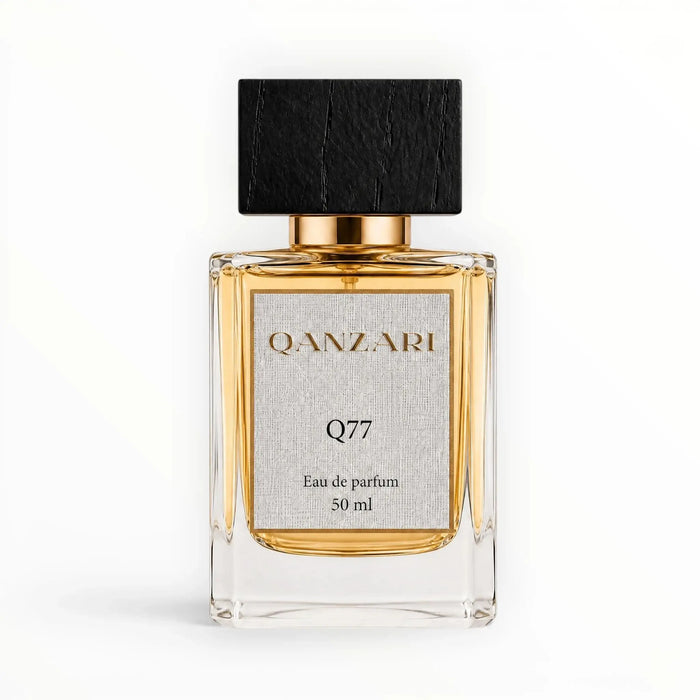
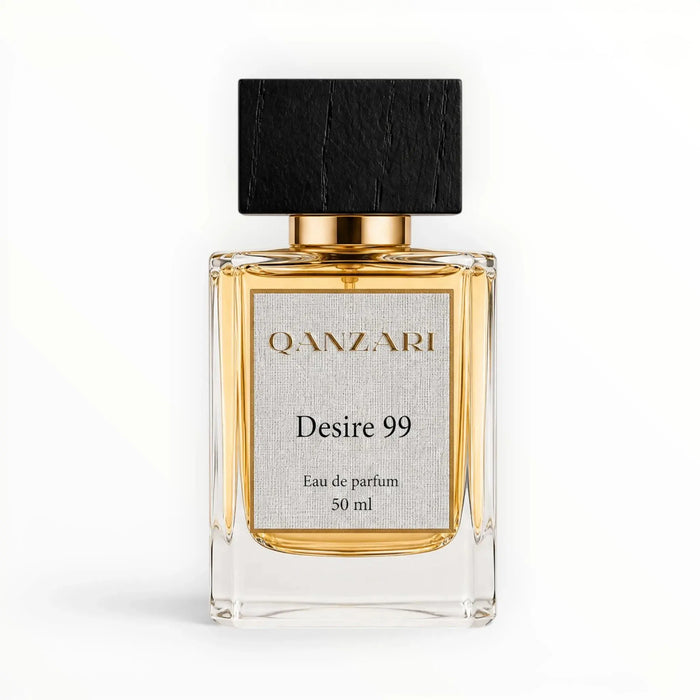
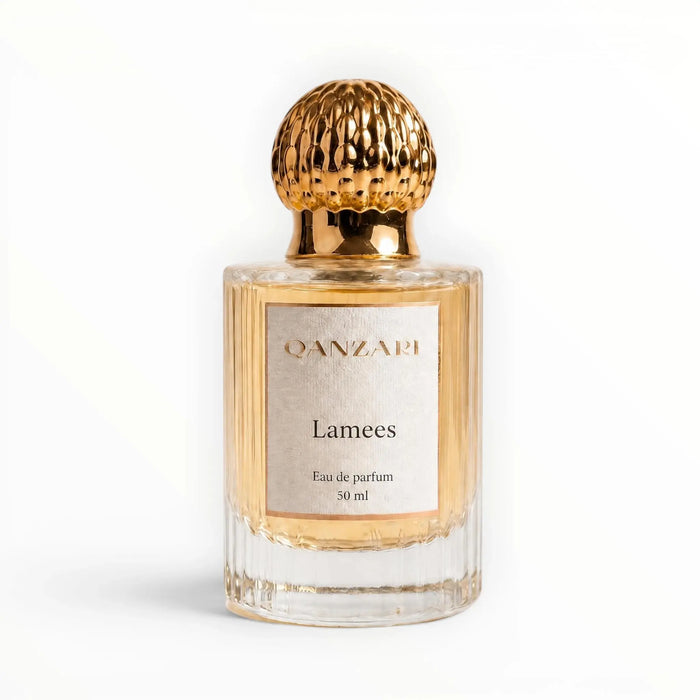
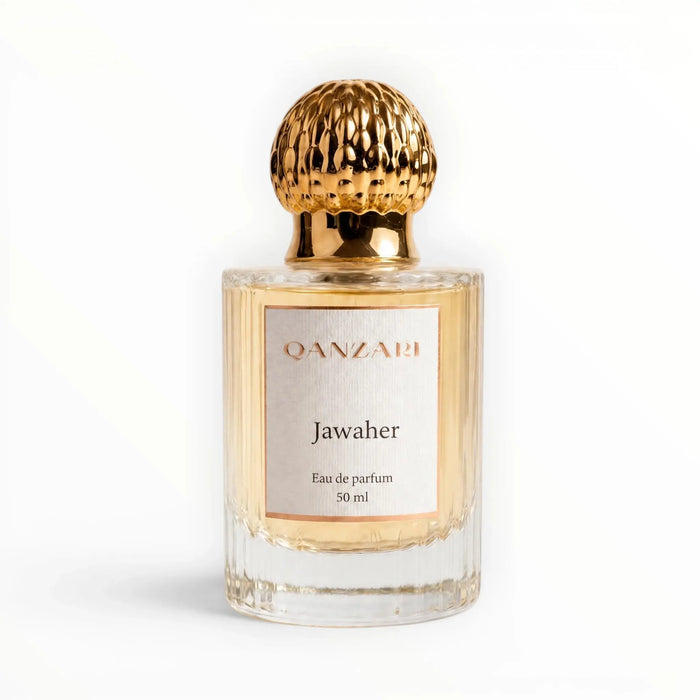
For a house such as Qanzari, this balance is part of the appeal. Luxury feels more convincing when it is tied to place, craft, and a clear scent identity rather than trend alone.
Perfume is intimate, but it is never accidental. The fragrances that stay with you usually carry more than beautiful notes. They carry discipline, patience, and cultural memory in every layer. When you choose with craftsmanship in mind, you are not only selecting a scent. You are choosing how presence will linger after you have left the room.