May 05, 2026
Arabian Perfume vs French Perfume
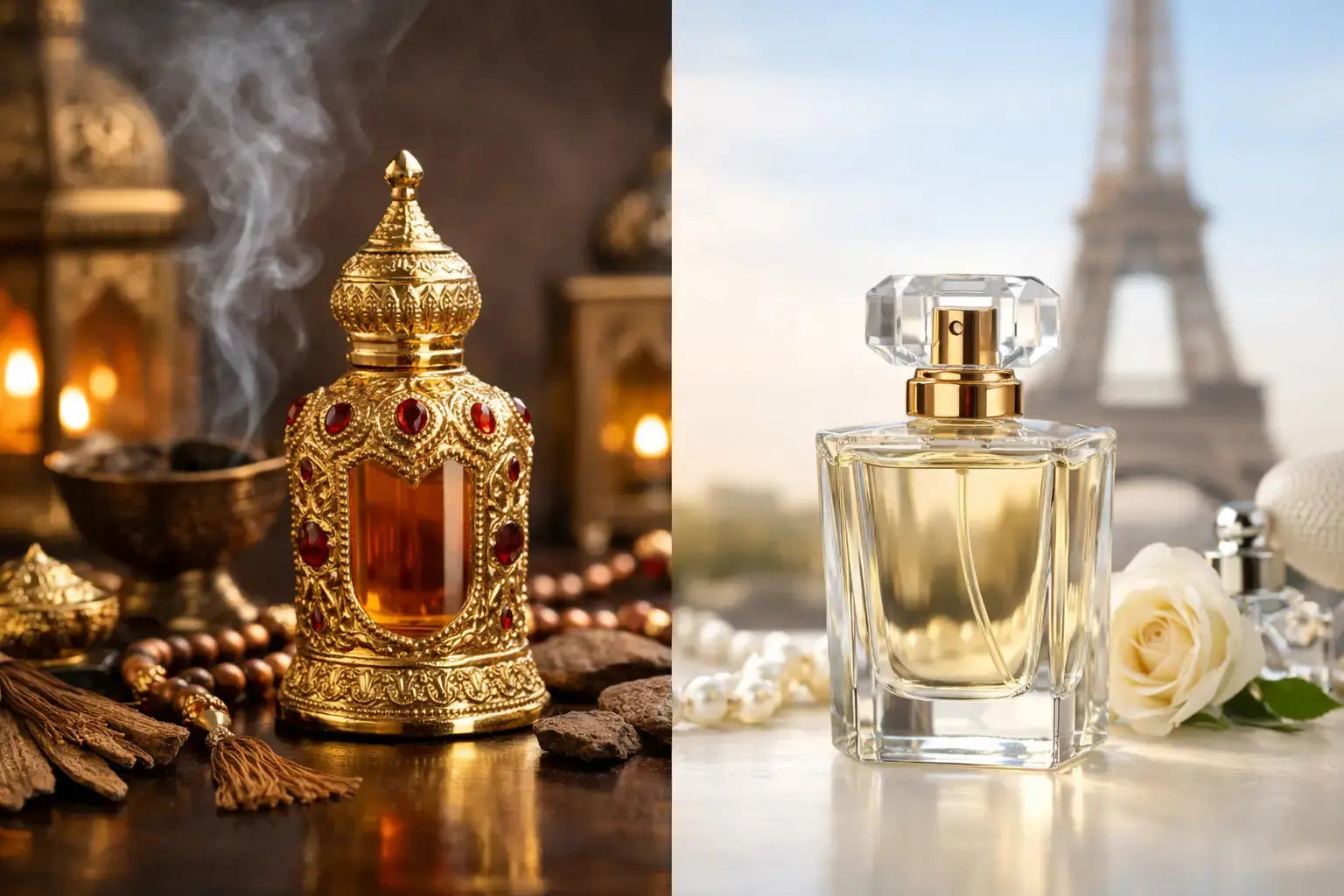
The first thing you notice is not the bottle. It is the trail. Arabian perfume vs french perfume becomes clear the moment fragrance meets skin - one often arrives with warmth, depth, and presence, while the other tends to unfold with polish, structure, and airy refinement. Both are luxurious. They simply speak different scent languages.
For anyone choosing a signature fragrance, that difference matters. Perfume is not just about smelling good. It shapes memory, presence, and the impression that lingers after you leave the room. If your taste leans toward distinction, performance, and character, understanding these two traditions helps you choose with intention.
Arabian perfume vs french perfume: the core difference
At the heart of arabian perfume vs french perfume is a difference in perfumery culture. Arabian perfumery is rooted in ritual, richness, and raw material presence. French perfumery is rooted in composition, balance, and the architecture of a scent as it develops over time.
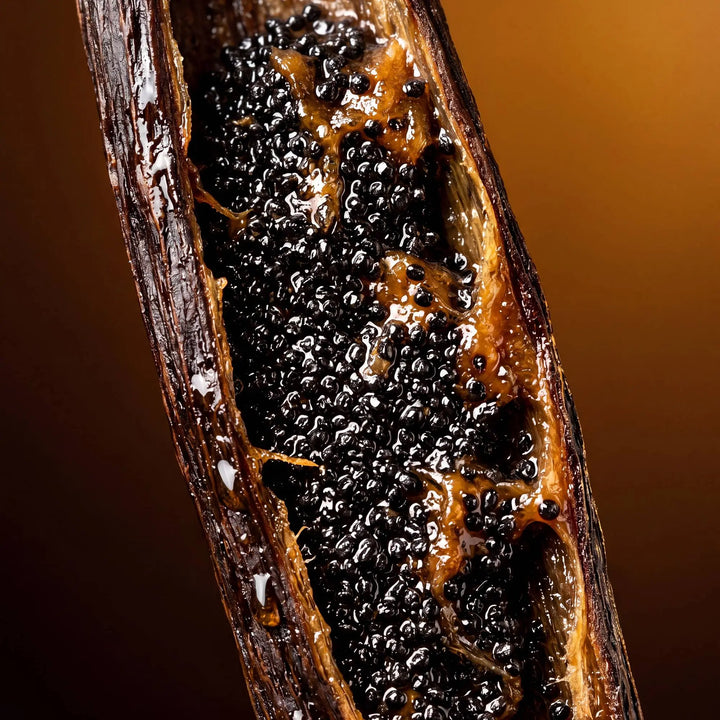
Arabian fragrances often center ingredients such as oud, amber, musk, rose, saffron, incense, and vanilla. These notes are chosen for depth and sensuality. They tend to feel fuller on the skin, with a more immediate sense of luxury and warmth. In many cases, the fragrance is designed not to whisper but to leave a memorable impression.
French perfumes, by contrast, often emphasize transitions and elegance through layering. You may notice sparkling citrus at the opening, soft florals in the heart, and woods or musk in the dry down. The style is usually more restrained, especially in mainstream releases. The artistry lies in the balance and evolution rather than the density of a single note family.
Neither approach is better in absolute terms. It depends on what kind of presence you want. Arabian perfumery often feels more intimate, opulent, and commanding. French perfumery often feels more tailored, polished, and softly expressive.
How the scent profile feels on skin
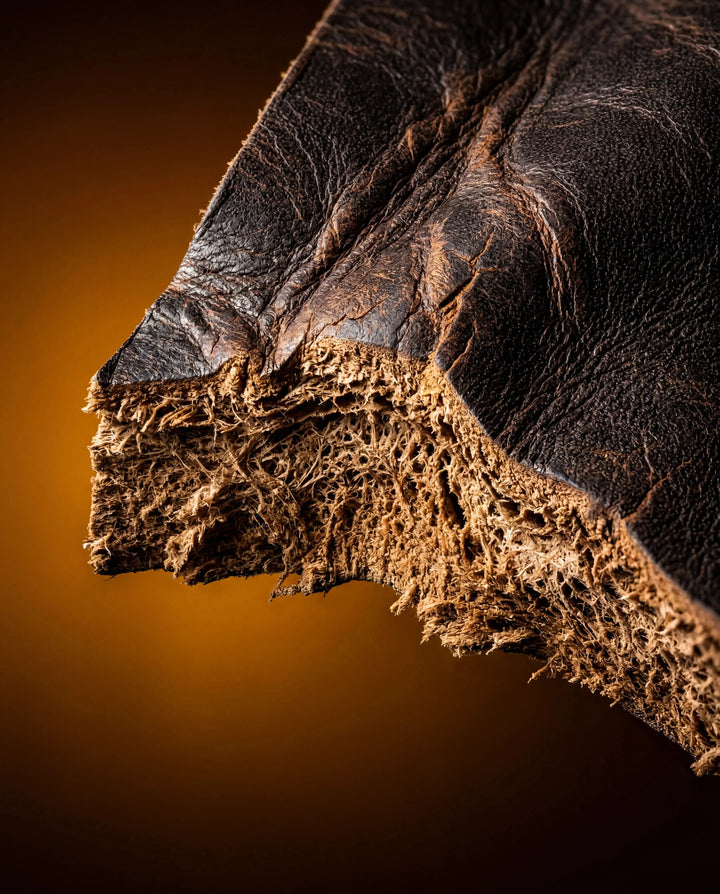
If you are deciding between the two, skin experience matters more than smelling a paper strip. Arabian perfumes tend to bloom with heat. On warm skin, resinous and ambery notes can become smoother, deeper, and more magnetic over hours. Oud may feel smoky, woody, leathery, or creamy depending on the formula, while musk and vanilla can create a rich second-skin effect that lasts well into the evening.
French perfumes are often built with a more noticeable top-to-base journey. The opening can be bright and elegant, sometimes even dramatic for a few minutes, before settling into a softer heart. This can feel sophisticated and versatile, especially if you enjoy a fragrance that changes shape throughout the day.
There is also a difference in emotional impression. Arabian scents often feel ceremonial, sensual, and self-assured. French scents often feel chic, romantic, and composed. One wraps around you like fabric. The other may sit like fine tailoring.
Ingredients and fragrance materials
Much of the distinction comes from materials. Traditional Arabian perfumery has long celebrated ingredient-led richness. Oud is the obvious example, but it is not the only one. Amber, sandalwood, rose, musk, saffron, incense, and dense balsamic notes all play a major role. These ingredients create fragrance with body and texture.
French perfumery certainly uses many of the same materials, but often with a lighter hand and a different purpose. A French composition may use oud as an accent rather than the soul of the fragrance. Rose may be made fresher or greener. Vanilla may be polished into a delicate base rather than a warm cloud.
This is where personal taste becomes decisive. If you want the ingredient itself to feel present and unmistakable, Arabian perfume often satisfies more deeply. If you prefer the ingredient to be shaped into an elegant composition where no single note dominates too strongly, French perfume may feel more familiar and wearable.
Longevity and projection
For many buyers, this is where arabian perfume vs french perfume stops being theoretical. They want to know which one lasts.
In general, Arabian perfumes are known for stronger longevity and projection. This comes from both style and formulation. Resinous woods, musks, amber accords, and concentrated oils naturally hold to skin and fabric longer than brighter citrus or watery floral structures. In hot climates, this can be especially valuable. A fragrance that stays composed through heat and humidity feels like a better luxury investment.
French perfumes vary widely. Some niche and extrait styles perform beautifully, but many designer compositions prioritize elegance over endurance. That can be ideal in office settings, daytime wear, or for those who prefer a more discreet aura. The trade-off is that you may need to reapply.
Performance is not only about strength, though. Some people want a scent that enters the room before they do. Others want something closer, more private, and understated. Arabian perfumery often excels at presence. French perfumery often excels at finesse.
Which style suits your climate and lifestyle?
Climate changes everything. In warm regions, richer perfume structures often feel more natural than people expect, especially when they are well blended. Notes like oud, amber, and musk can hold their shape beautifully in heat, creating a luxurious trail rather than disappearing by midday. That is one reason Arabian fragrance traditions remain so relevant for modern wear.
In cooler weather or formal indoor settings, French perfumes can feel especially graceful. Their lift, transparency, and evolving structure may come across with more nuance when the air is crisp and dry. A floral chypre or citrus-wood composition, for example, can feel wonderfully precise in these conditions.
Lifestyle matters too. If you attend evening events, enjoy statement dressing, or want a signature scent with weight and identity, Arabian perfume often aligns more naturally. If your routine calls for versatility across work, travel, and daily errands, French perfume may offer easier adaptability. Of course, many fragrance lovers keep both for exactly this reason.
Arabian perfume vs french perfume for men and women
One of the most interesting differences is how each tradition treats gender. Arabian perfumery often moves more freely across masculine and feminine lines. Rose with oud, saffron with vanilla, musk with incense - these combinations can feel powerful on anyone because the focus is on character, not convention.
French perfumery has shaped many of the gender codes still common in fragrance retail. Fresh aromatics and woods often lean masculine. Powdery florals and soft gourmands often lean feminine. That system is loosening, especially in niche perfumery, but the influence remains.
For a wearer seeking a scent that feels less predictable, Arabian profiles can be especially compelling. They allow softness and strength to exist in the same bottle. A fragrance can be sensual without becoming sweet, and bold without turning harsh.
The question of occasion
There is one area where balance matters. Arabian fragrances can be incredibly versatile, but some compositions are too rich for every setting if applied heavily. A dense oud-amber blend at a casual brunch may feel excessive unless you use a very light hand. Likewise, a soft French floral may vanish at an evening event where you want your scent to hold its own.
This is not a flaw in either style. It simply means matching intensity to context. The right fragrance is not only the one you love most. It is the one that wears beautifully where you plan to be.
That is why many modern luxury houses are refining Arabian-inspired perfumery for contemporary wear - preserving the depth, sensuality, and longevity while giving the composition cleaner lines and a more tailored finish. When done well, it offers the best of both worlds: heritage-rich materials with modern ease.
So which one should you choose?
Choose Arabian perfume if you want fragrance with soul, depth, and a lasting signature. It is especially compelling if you love oud, amber, musk, vanilla, or warm woods, and if you want your scent to feel memorable rather than merely pleasant. For many wearers, this style feels more personal because it sits closer to identity and ritual than trend.
Choose French perfume if you prefer brightness, classic structure, and a more understated expression of luxury. It may suit you better if you enjoy elegant transitions, lighter florals, fresh openings, and fragrances that stay refined rather than dominant.
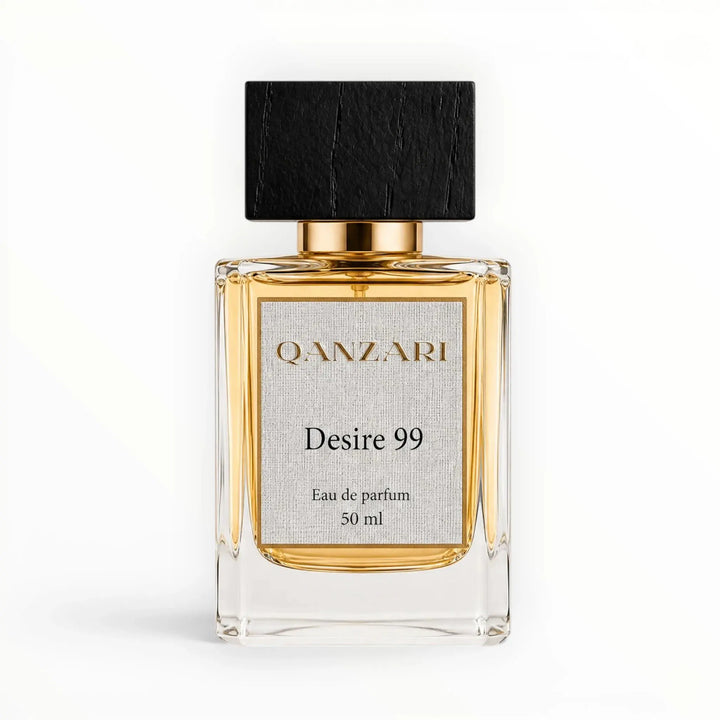
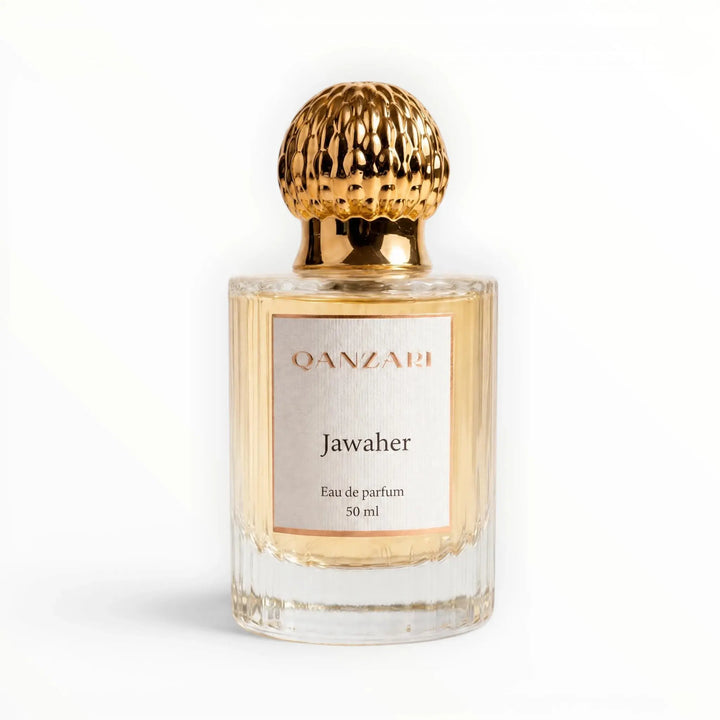
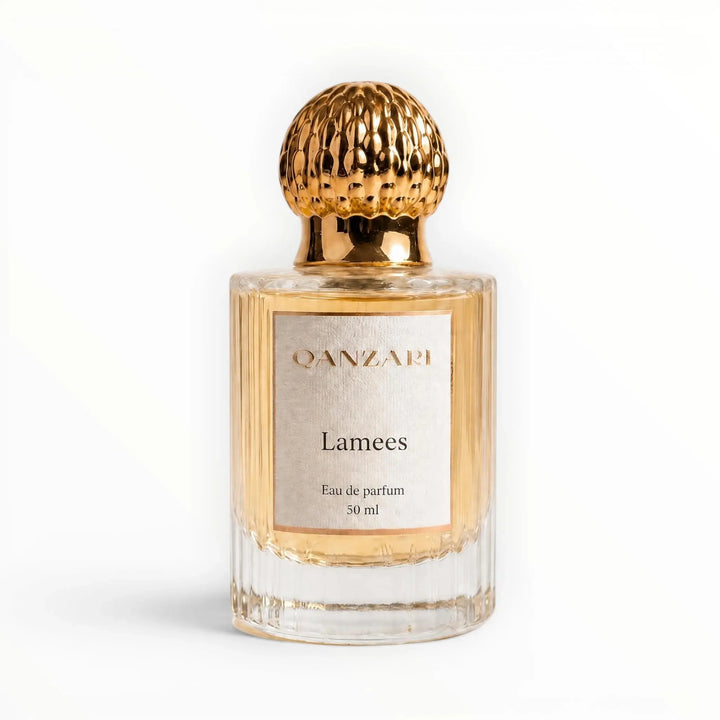
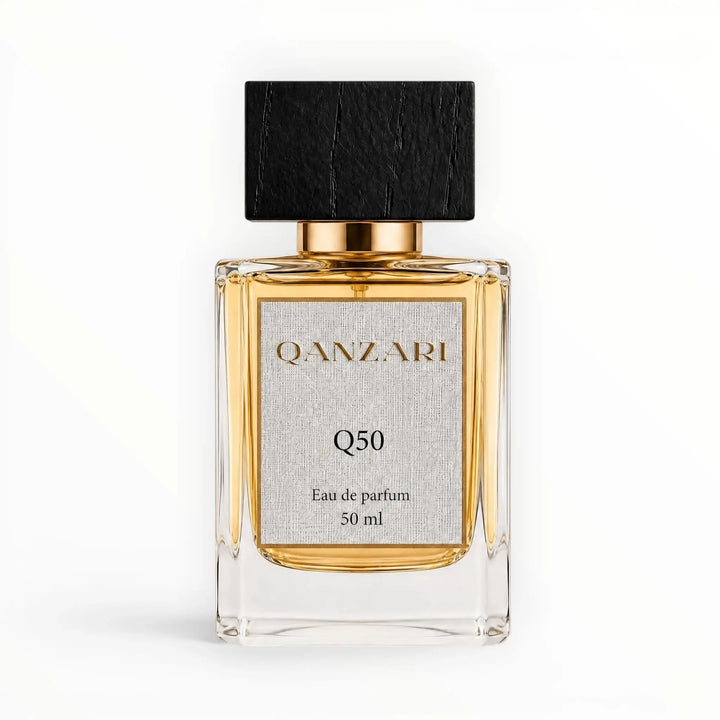
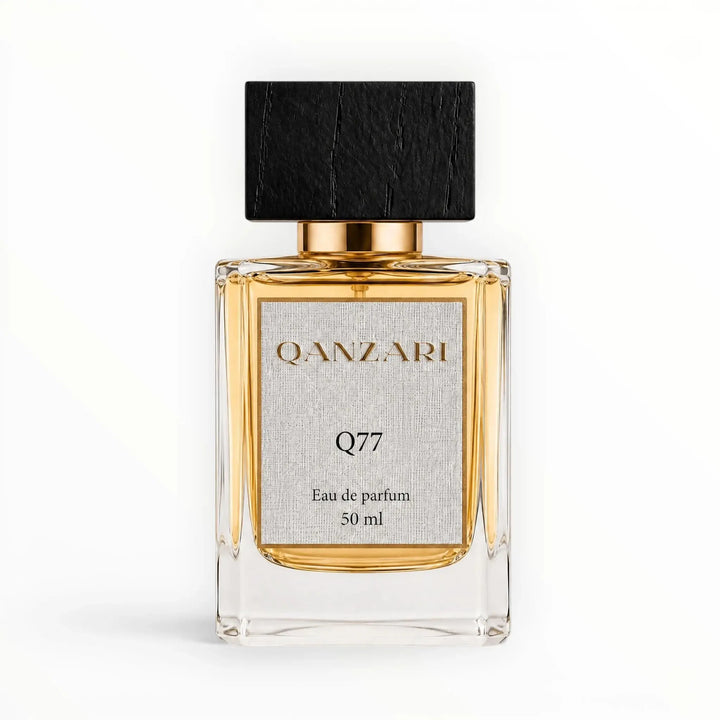
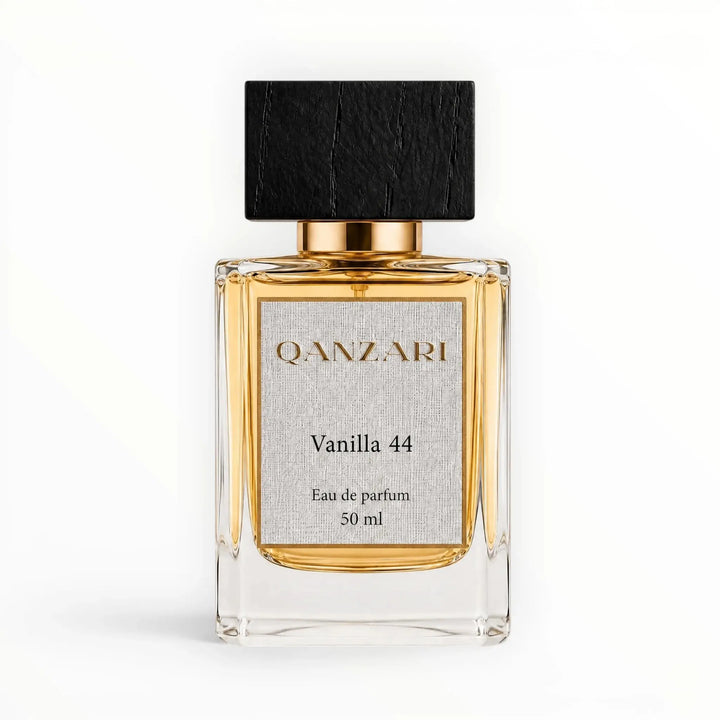
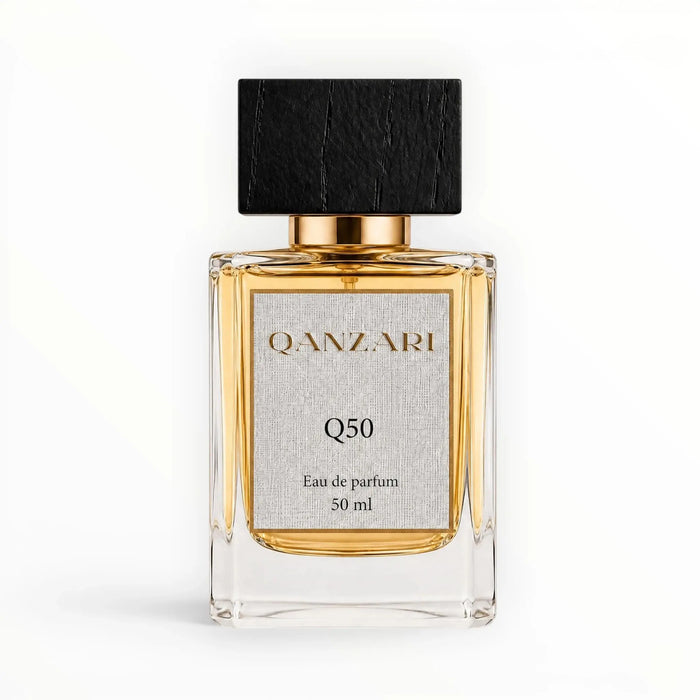
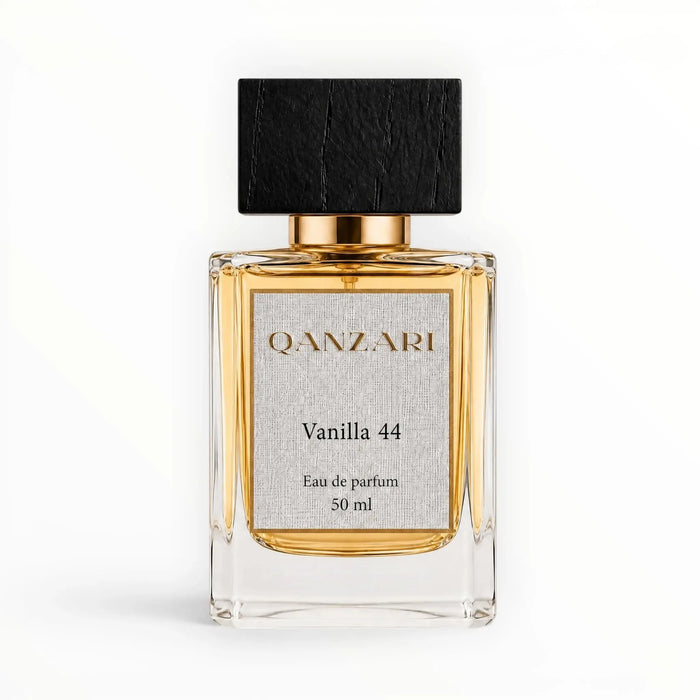
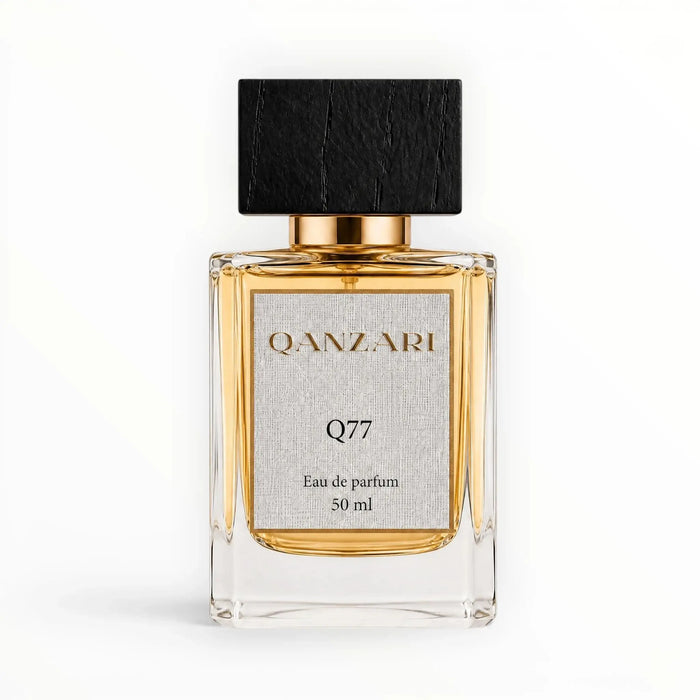
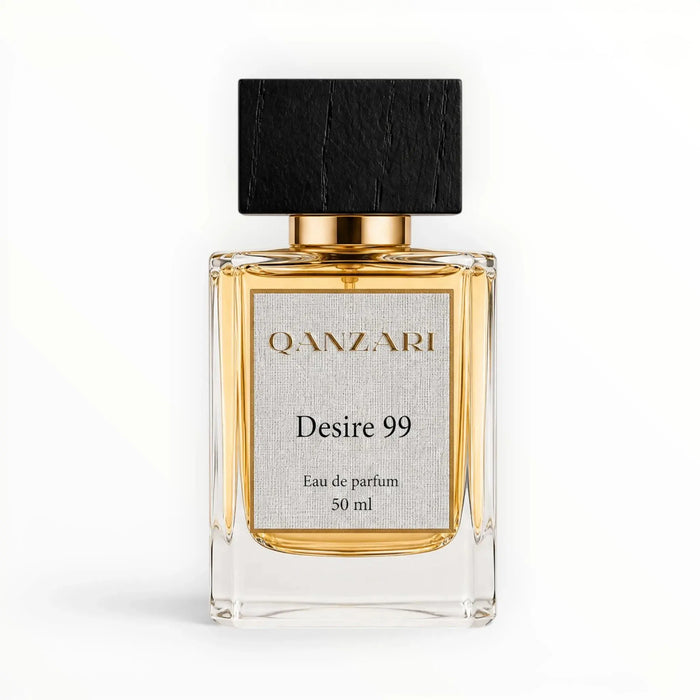
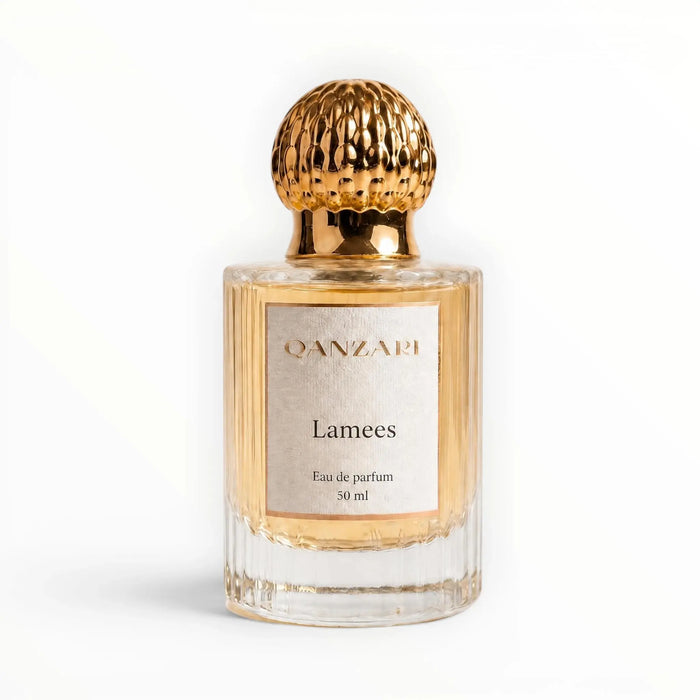
For some, the answer is not either-or. It is mood, season, climate, and occasion. But if your standard for luxury includes presence, longevity, and the quiet authority of rich materials, Arabian perfumery offers something difficult to imitate. Houses such as Qanzari speak to that desire with fragrances shaped by Dubai craftsmanship and a distinctly modern Arabian point of view.
The best perfume is the one that feels like it was waiting for your skin all along. If you find yourself wanting more warmth, more depth, and more memory in the air around you, trust that instinct.