April 21, 2026
Authentic Arabian Perfume Ingredients Explained
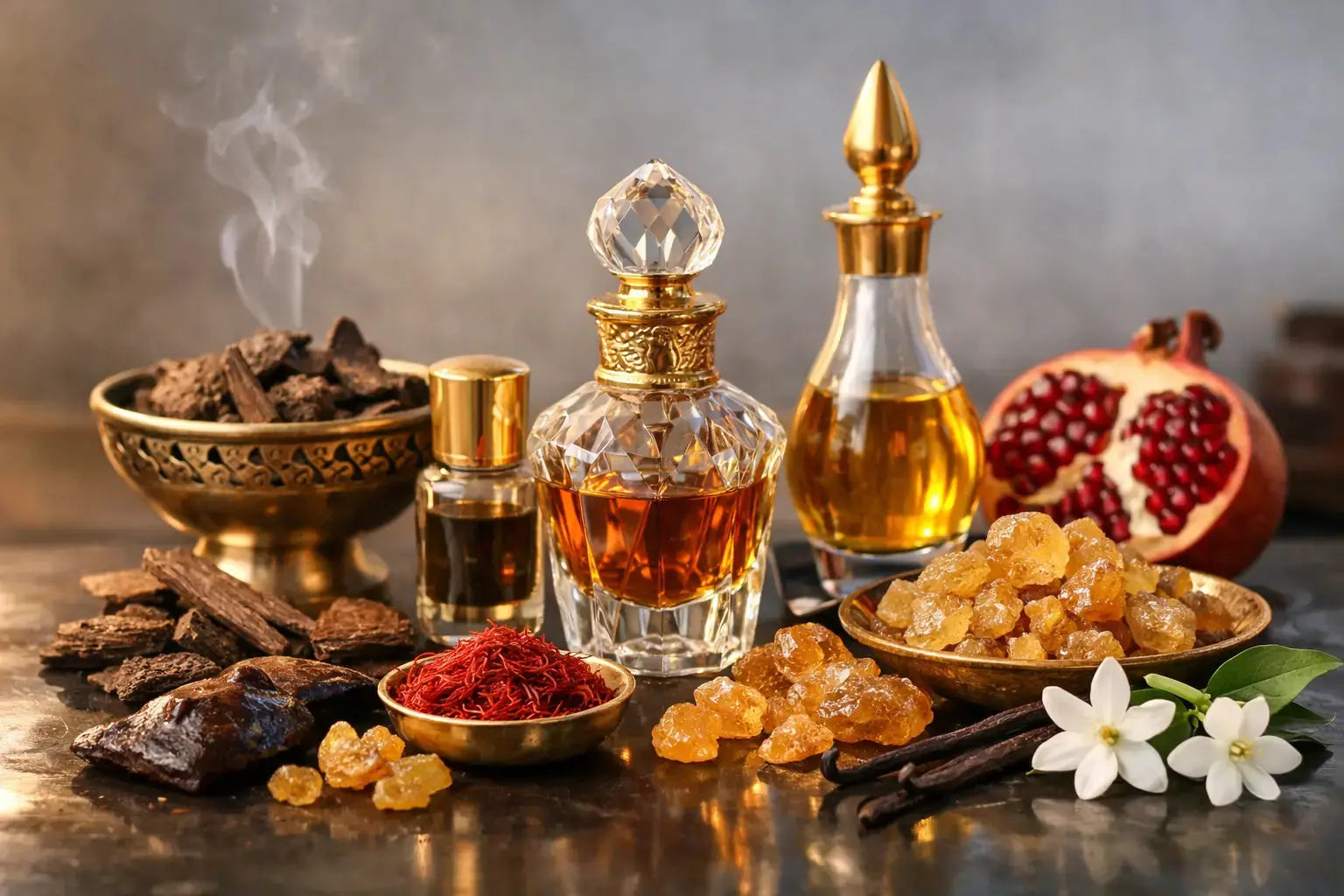
A real Arabian fragrance announces itself before it is named. You catch the depth of oud, the warmth of amber, the softness of musk, and suddenly the scent feels less like an accessory and more like presence. That is the power of authentic Arabian perfume ingredients - they are chosen not only for aroma, but for memory, performance, and cultural weight.
For anyone searching for a fragrance with true character, ingredients matter more than packaging language or trend-driven notes. In Arabian perfumery, the formula begins with materials that have shaped scent traditions across generations. These ingredients are prized because they wear beautifully, unfold slowly, and hold their elegance in heat, on skin, and through long evenings.
What makes authentic Arabian perfume ingredients different
The difference is not simply that Arabian perfumes smell stronger. It is that they are built around richness, texture, and endurance. Many Western fragrances are designed to open brightly and fade into something sheer. Traditional Arabian compositions often do the opposite. They begin with presence and settle into an even deeper, more intimate trail.
That character comes from the ingredients themselves. Authentic Arabian perfume ingredients tend to include resins, woods, spices, florals, and animalic accords that carry natural warmth and gravity. Even when blended in a modern way, they retain a sense of ceremony. The scent does not just smell pleasant. It feels dressed.
There is also a practical reason these materials remain central. In hotter climates, airy citrus alone can disappear quickly. Oud, amber, musk, sandalwood, and dense floral notes hold better on skin and fabric. They create the long-lasting effect many fragrance lovers want, especially in the Gulf, where performance is not a luxury but an expectation.
The signature notes behind authentic Arabian perfume ingredients
Oud
If one ingredient defines Arabian perfumery in the global imagination, it is oud. Derived from agarwood, oud carries a deep, resinous profile that can smell smoky, woody, leathery, sweet, or even slightly medicinal depending on quality and origin. It is not a simple note, and that is exactly why it feels so luxurious.
Real oud is precious, and its rarity is part of its status. But authenticity is not only about using pure oud oil in large amounts. It is also about understanding how oud should behave in a fragrance. A well-made Arabian scent uses oud with balance, allowing it to add depth rather than overwhelm everything around it.
Amber
Amber in perfumery is often an accord rather than a raw material. In Arabian fragrance, it usually brings warmth, sweetness, and a golden resinous effect that softens woods and enriches spices. It creates the glowing heart of many perfumes, giving the composition a sensual, almost skin-lit feel.
Amber is especially important because it bridges tradition and wearability. Oud can be challenging for some. Amber makes it smoother, rounder, and more inviting. That is one reason so many modern Arabian fragrances rely on it.
Musk
Musk is the quiet authority in the background of many memorable scents. It gives body, softness, and a lingering second-skin finish. In Arabian-style perfumery, musk is rarely used as a barely-there clean note. Instead, it often feels warmer, creamier, and more seductive.
Good musk changes the way a fragrance settles. It helps the scent cling to skin, adds polish to stronger ingredients, and creates that refined trail that stays elegant rather than sharp. For many wearers, musk is what makes a perfume feel personal after the dramatic opening fades.
Rose
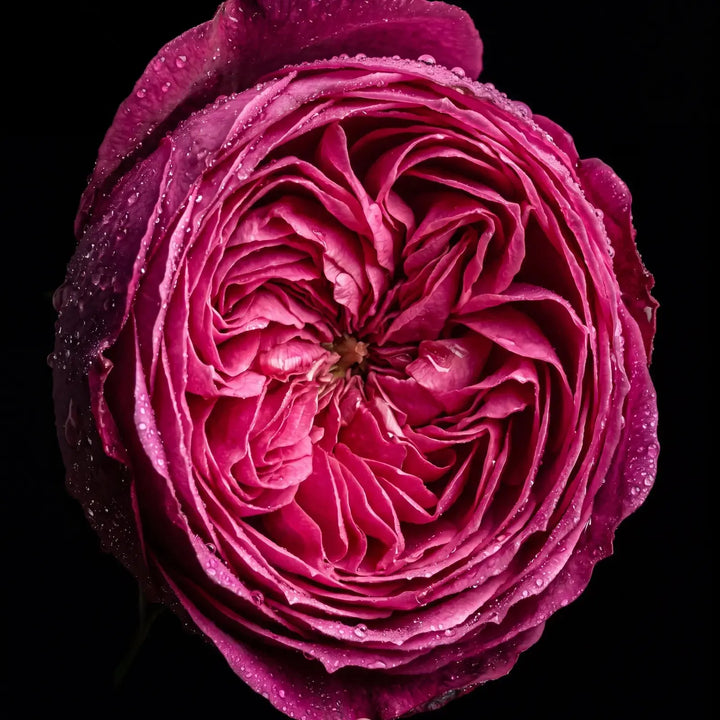
Rose has long held a place of honor in Middle Eastern fragrance traditions. But Arabian rose is not always the fresh, airy garden style many Americans expect. It can be darker, richer, and paired with oud, saffron, or amber to create something velvety and commanding.
When rose is blended well, it brings sophistication rather than sweetness. It adds a regal softness to woody or spicy bases and gives structure to opulent perfumes that might otherwise lean too dense.
Saffron
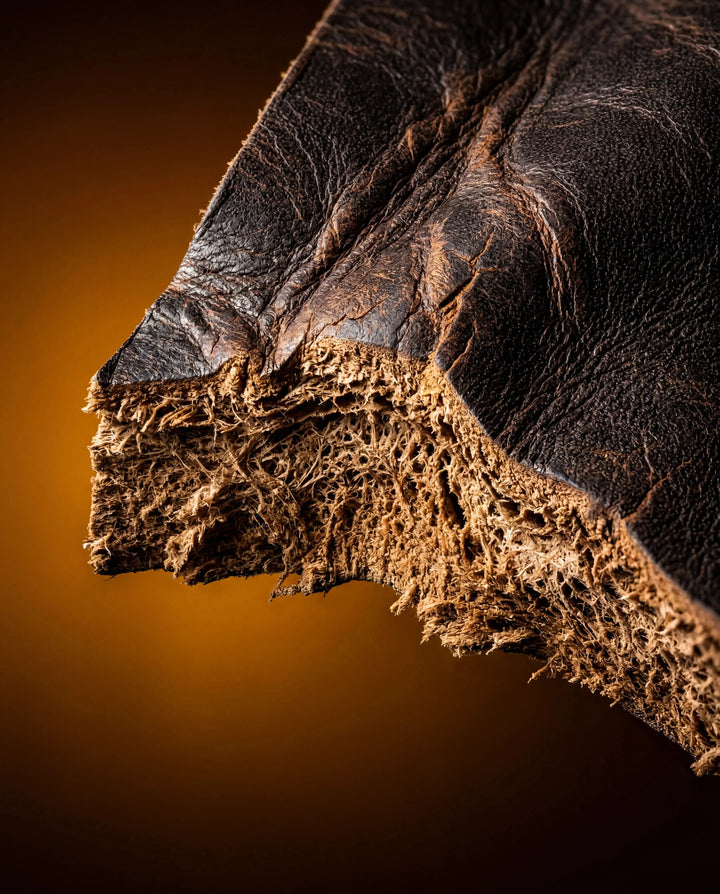
Saffron brings a dry, leathery, slightly spicy glow that instantly adds distinction. Used with oud and rose, it creates one of the most recognizable Arabian scent signatures. It can feel warm, golden, and textured all at once.
Saffron is a good example of why authentic materials matter. Cheap interpretations can smell harsh or metallic. A refined saffron note feels smooth, expensive, and beautifully fused into the composition.
Sandalwood and other noble woods
Sandalwood adds creaminess and quiet depth. Cedar and patchouli can add dryness, earth, or structure. These woods are often supporting notes, but they do critical work. They shape the fragrance underneath the more dramatic ingredients and help it wear with grace over time.
Without a strong woody base, even a rich Arabian perfume can feel flat. With one, the scent gains poise and lasting power.
Natural ingredients, modern blending, and the truth about authenticity
There is a romantic idea that an authentic Arabian perfume must be made only from pure natural oils. The reality is more nuanced. Some of the finest luxury fragrances combine natural materials with carefully selected modern aroma compounds. That does not make them less authentic.
Authenticity comes from respect for the olfactory tradition, the quality of the raw materials, and the integrity of the composition. Pure natural oud may be exquisite, but if it is poorly blended, the result can still feel crude. A fragrance that uses a mix of natural rose, amber accords, musk, and woods can smell more polished, more luxurious, and more faithful to Arabian elegance.
This matters for today’s buyer. A modern fragrance should still perform, remain stable, and wear comfortably in daily life. It should honor heritage without feeling dusty or costume-like. That balance is where craftsmanship shows.
How to recognize quality in authentic Arabian perfume ingredients
The first sign is depth. High-quality Arabian perfumes do not smell flat or one-dimensional. Even in the opening, you should notice layers. The woods, resins, florals, and musk should feel intertwined rather than stacked on top of one another.
The second sign is evolution. A refined perfume changes on skin without losing its identity. Oud may soften into amber. Rose may settle into musk. Saffron may warm the woods. If the scent opens loudly and then collapses into a generic sweetness, the ingredients or blending may not be of a high standard.
The third sign is texture. This is harder to describe, but easy to notice. Luxury ingredients feel smooth, dense, and composed. Lower-grade materials can smell thin, overly sharp, or synthetic in a distracting way. Strength alone is not proof of quality. True richness feels controlled.
Price can offer a clue, but not a guarantee. Real oud and fine rose materials are expensive, yet a costly bottle can still lean on marketing more than substance. The better question is whether the fragrance feels intentional, lasting, and culturally grounded.
Why these ingredients matter for lasting performance
One of the strongest appeals of Arabian perfumery is longevity. That does not happen by accident. Authentic Arabian perfume ingredients are often naturally suited to endurance. Resins cling to skin. Woods unfold slowly. Musk and amber extend the life of the composition and create a trail that stays warm for hours.
This is especially relevant for people who want a signature scent that carries from day to evening. In warm weather, many perfumes disappear too quickly or turn overly sweet. A fragrance built on oud, amber, musk, and woods tends to keep its shape better. It remains present, polished, and memorable.
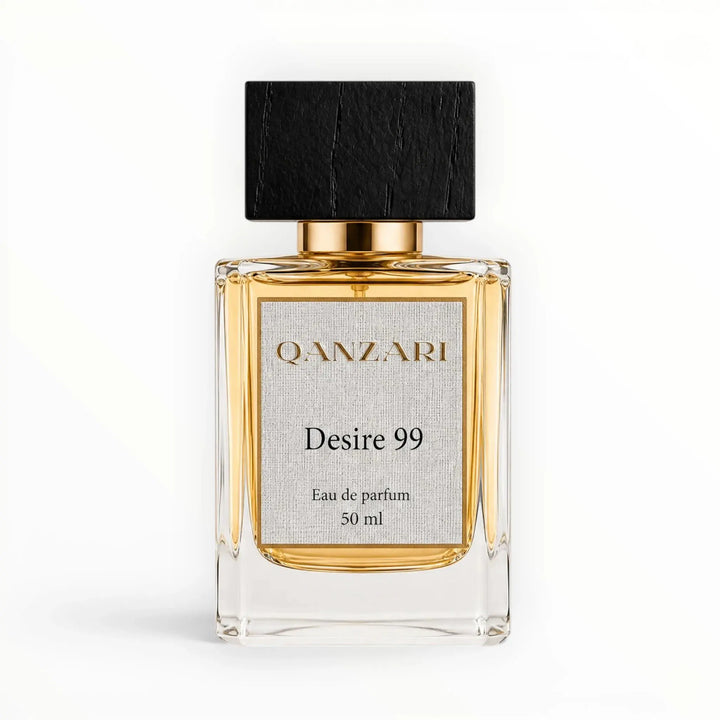
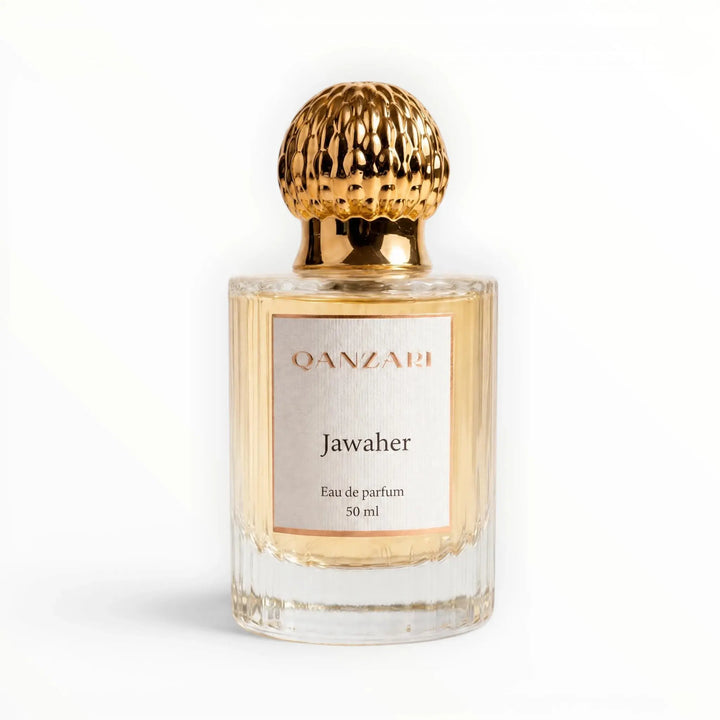
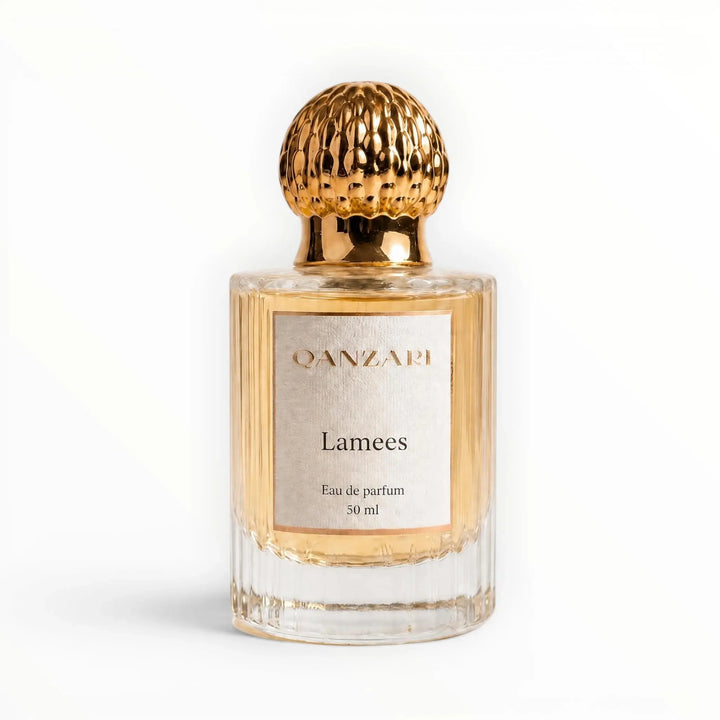
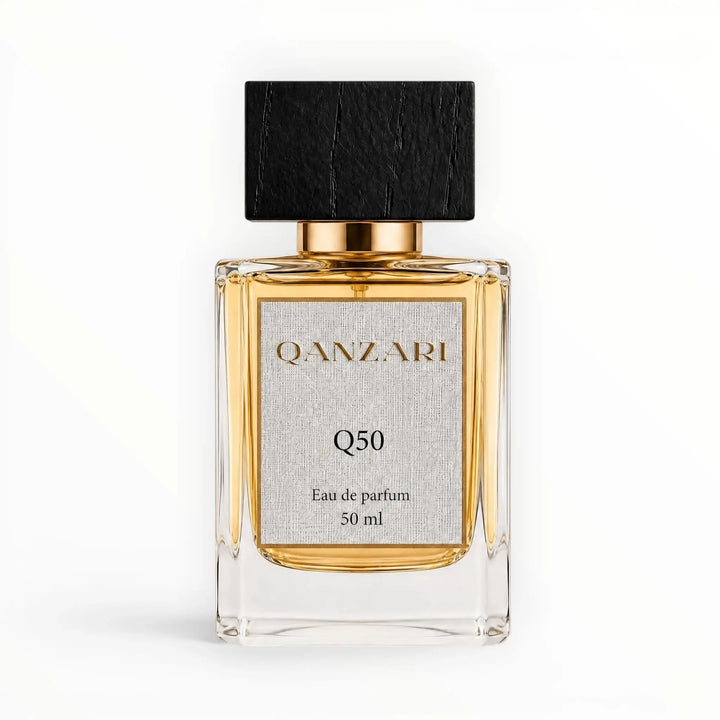
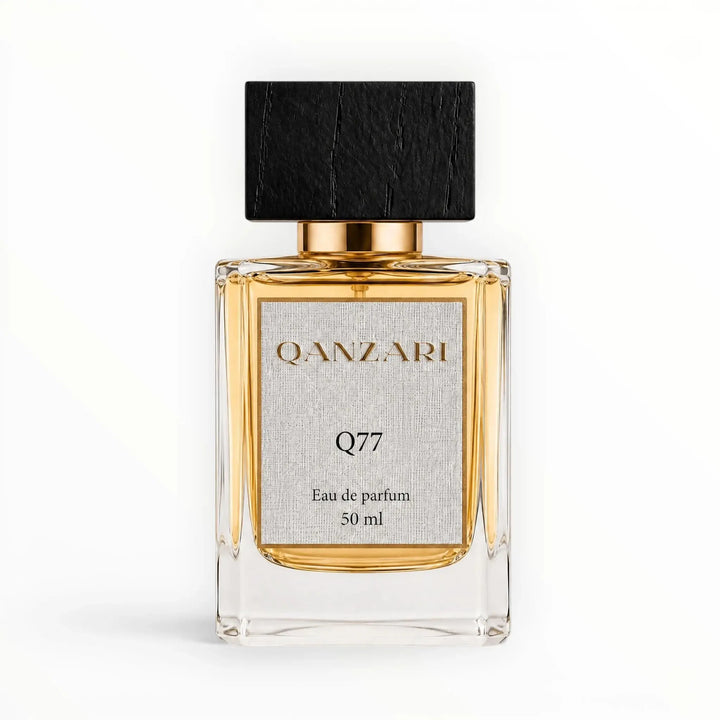
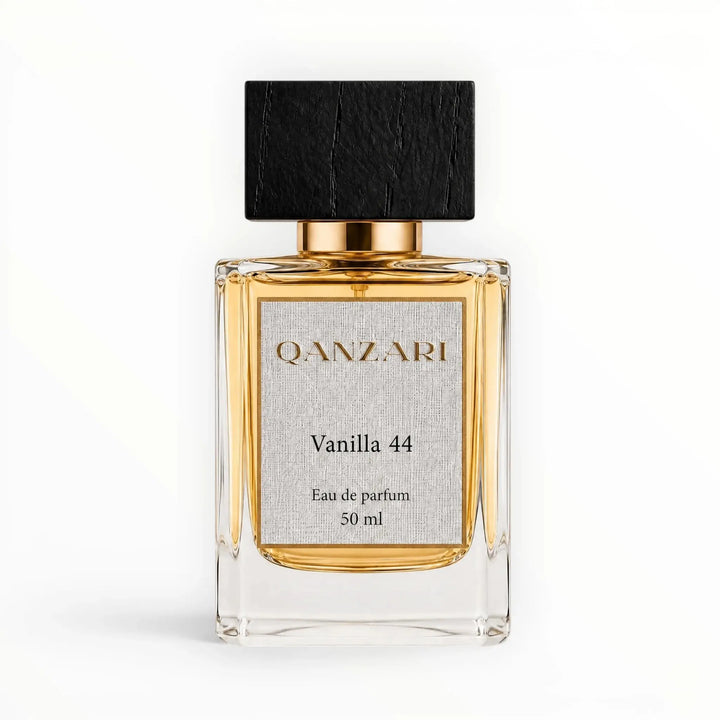
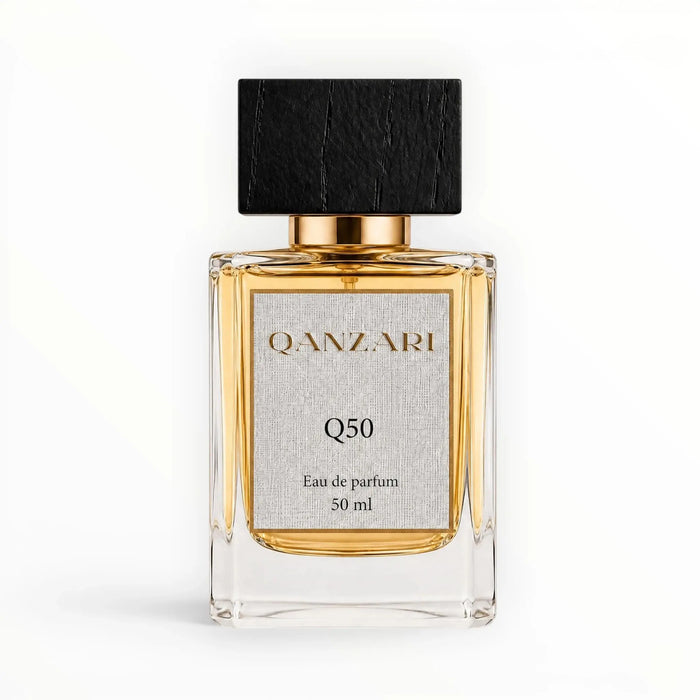
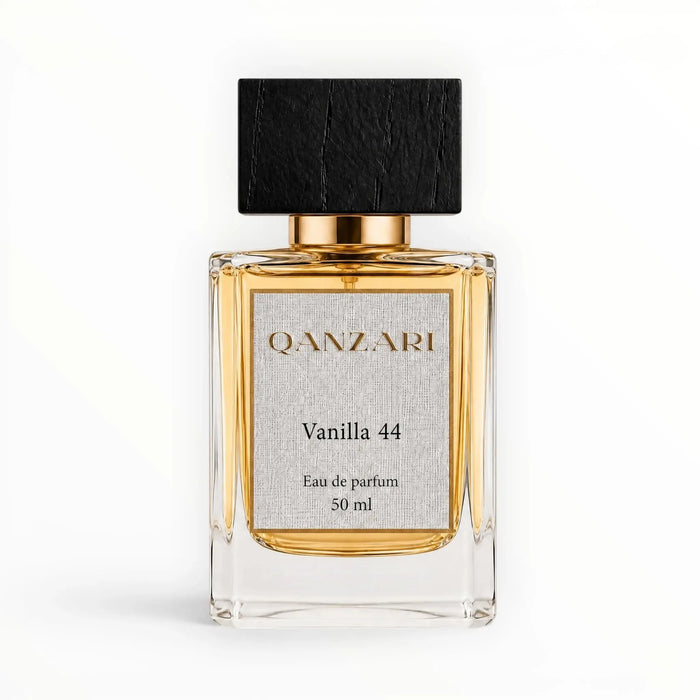
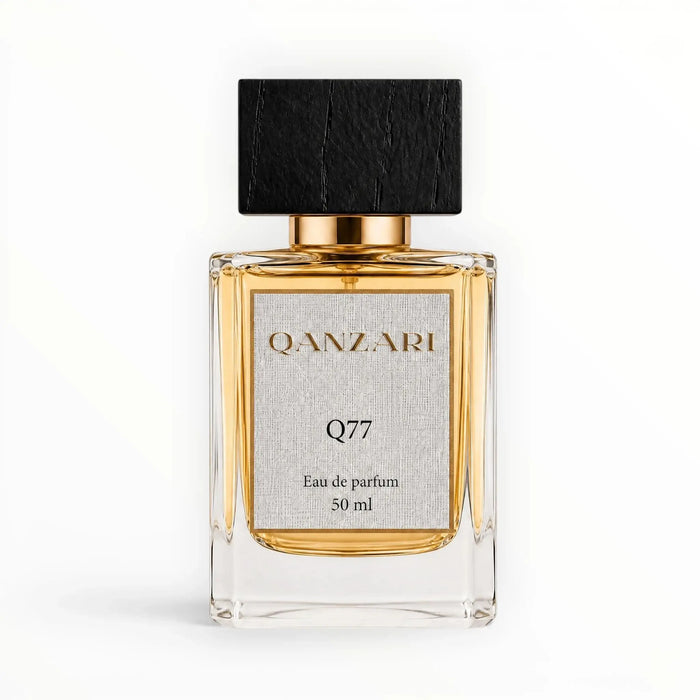
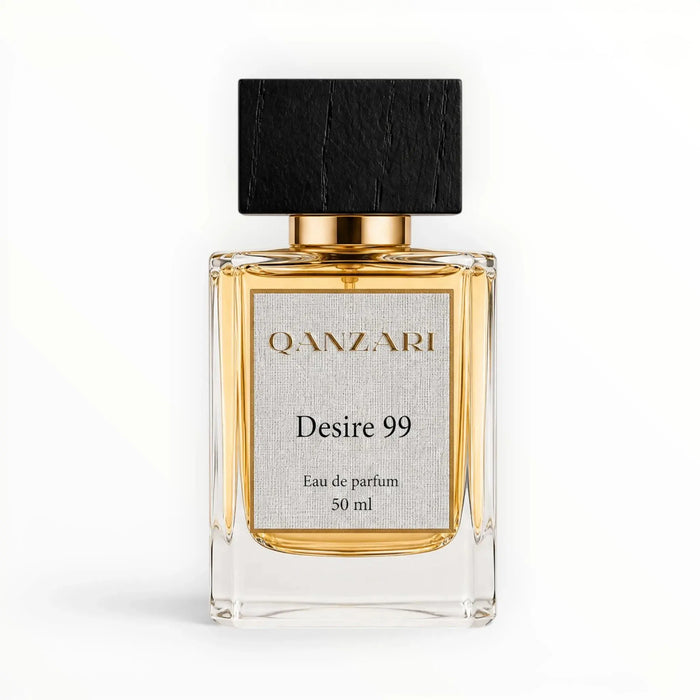
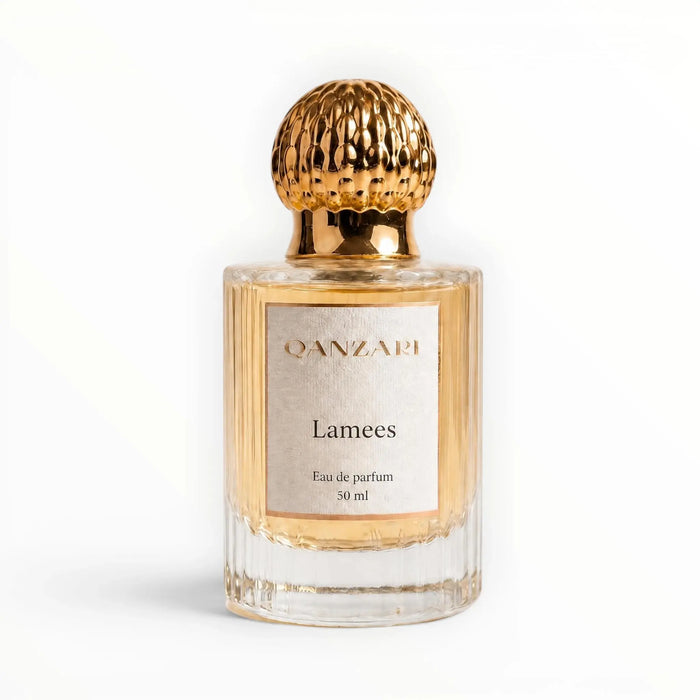
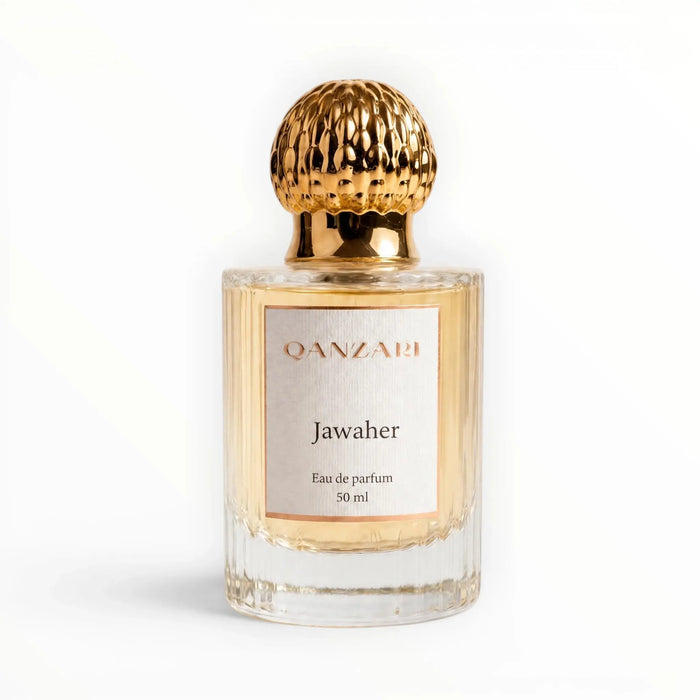
That is part of the appeal of a house like Qanzari. The promise is not only heritage. It is luxury that performs, shaped for modern wear while staying rooted in Arabian sensibility.
Choosing a fragrance by ingredient profile
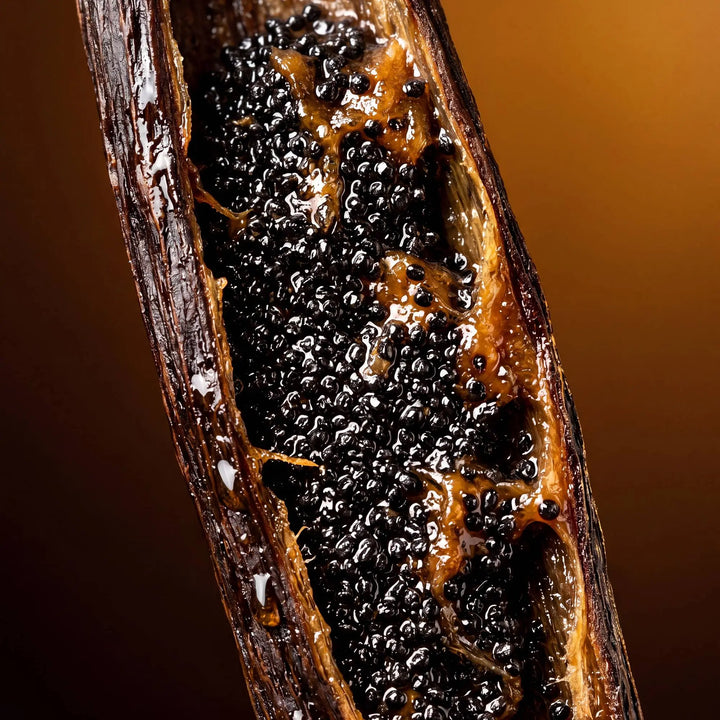
If you are new to Arabian perfumery, start with the ingredient family that matches your style. If you prefer bold, commanding scents, oud with saffron or leather may feel right. If you want warmth with a smoother edge, amber and vanilla can soften the composition without losing its richness. If elegance is the goal, rose layered over woods and musk creates a refined signature.
It also depends on when and how you wear fragrance. A dense oud may feel perfect for evening, formal settings, or cooler months. An amber-musk blend may be easier for daily wear. A rose-oud composition can move beautifully between both. There is no single best formula, only the one that fits your presence.
The most memorable Arabian perfumes are not trying to please everyone. They are built to leave an impression, and the ingredients are the reason they do.
When you understand the materials, you stop shopping by trend and start choosing by character. That is where fragrance becomes personal - not just something you wear, but something that speaks before you do.