September 26, 2026
Natural Versus Synthetic Oud: What You Smell

A fine oud fragrance should never feel like a simple choice between old and new. Natural versus synthetic oud is really a question of character: do you seek the untamed depth of resin-rich wood, the polished precision of modern perfumery, or a composition that lets both speak beautifully together?
For centuries, oud has held a rare place in Arabian perfumery. Its smoky warmth, dark sweetness, and lingering presence can turn a fragrance into a signature. Yet the word “oud” on a fragrance bottle can describe very different materials, and knowing the distinction makes choosing your next scent far more personal.
Natural Versus Synthetic Oud: The Essential Difference
Natural oud comes from agarwood, a precious heartwood formed when certain Aquilaria trees create aromatic resin in response to natural or cultivated processes. The wood is distilled into oil, producing a material of extraordinary complexity. Depending on its origin, age, distillation, and resin content, natural oud may smell leathery, woody, medicinal, smoky, earthy, sweet, animalic, or softly balsamic.
No two natural oud oils are entirely alike. That individuality is part of their allure. A natural oud can unfold gradually on warm skin, revealing facets that feel mysterious at first and richly comforting hours later. It carries the sense of a living material, shaped by place, time, and craft.
Synthetic oud is different, but it should not be dismissed as an imitation. In modern fragrance, it usually refers to an oud accord built from aroma molecules, sometimes paired with natural woods, resins, spices, amber, or a small amount of real oud oil. There is no single synthetic oud ingredient. A perfumer creates the impression of oud by balancing many materials into a distinct olfactory profile.
Why Natural Oud Feels So Rare
The finest natural oud is scarce because it requires exceptional raw material, patient cultivation or careful sourcing, and skilled distillation. Its value reflects more than its aroma. It reflects the labor behind the oil, the variability of the harvest, and a perfumery tradition carried across generations.
For the oud devotee, natural oil offers texture that can be difficult to duplicate exactly. It may begin with sharp, almost medicinal brightness, then melt into dark woods, warm leather, dried fruit, or incense. Its beauty is often less about instant sweetness and more about transformation. The fragrance seems to move with the wearer.
That complexity also means natural oud is not always easy. Some oils can be intensely smoky or animalic. Others are quieter, more resinous, and almost meditative. If you expect every oud fragrance to smell the same, natural oud will challenge that expectation in the most rewarding way.
What Synthetic Oud Brings to Modern Fragrance
A synthetic oud accord gives a perfumer greater control. It can emphasize clean wood, dark amber, soft smoke, polished leather, or sweet balsamic warmth without leaning too heavily into the more challenging facets of natural agarwood. This makes oud more versatile for contemporary wear while preserving its commanding Arabian character.
It also provides consistency. A fragrance can retain its intended profile from one production run to the next, allowing you to return to the same treasured scent with confidence. For someone building a refined daily wardrobe, that reliability matters.
Synthetic materials can also help create an oud fragrance at a more approachable price than one centered on a large concentration of rare natural oil. This does not make the fragrance lesser. Quality comes from composition, concentration, materials, and the perfumer’s judgment - not from a single label claim. A beautifully constructed synthetic oud accord can feel luxurious, nuanced, and unmistakably memorable.
Natural Does Not Always Mean Longer Lasting
It is tempting to assume that natural oud will always outlast a synthetic composition. In reality, longevity depends on the full formula. Perfume concentration, supporting notes, your skin chemistry, and the climate all influence performance.
Natural oud oils often have excellent tenacity, particularly when paired with amber, musk, sandalwood, vanilla, or resins. Their development can feel slow and elegant, becoming more intimate as the day passes. Synthetic oud accords can be equally long-lasting, especially when built around modern woody and amber materials designed to hold their shape on skin.
In warm or humid weather, the difference is often felt in diffusion rather than duration. A bolder, smoky natural oud may bloom dramatically in heat. A polished synthetic accord may remain more controlled, smooth, and office-ready. Neither result is automatically better. It depends on whether you want your fragrance to announce your arrival or remain a close, magnetic presence.
The Question of Authenticity and Responsibility
Authenticity in oud is not limited to whether a fragrance contains natural oil. A fragrance can honor Arabian perfumery through its structure, respect for the material, and the emotion it creates on skin. Real heritage is expressed in craftsmanship, not simply in marketing language.
Responsible sourcing matters deeply with agarwood. Demand for wild agarwood has placed pressure on natural forests, while cultivated agarwood and carefully managed supply chains offer more considered paths forward. Synthetic oud materials can reduce dependence on scarce natural resources and allow perfumers to create oud-inspired scents without relying exclusively on costly raw oil.
The strongest fragrances do not treat this as a false choice. They use materials with intention. Natural oud may provide depth and soul, while modern accords bring clarity, lift, and consistency. Together, they can create a scent that respects the past without being trapped by it.
Which Oud Is Right for You?
Choose a natural-leaning oud fragrance if you are drawn to rarity, evolution, and the intimate irregularity of artisanal materials. You may appreciate a scent that changes from one wear to the next and becomes richer when given time on skin. Natural oud is especially compelling for evening, formal occasions, and moments when fragrance is part of the ritual.
Choose a synthetic-led oud accord if you want a smoother, more predictable expression of wood, amber, and smoke. It can be an excellent choice for daily wear, gifting, and those who want the prestige of oud without an intensely medicinal or animalic edge. It is also ideal when you prefer a fragrance that remains polished through long days, warm weather, and close social settings.
Many of the most compelling luxury fragrances sit between these two worlds. They may use a touch of natural oud for depth, then frame it with carefully selected modern materials that make it wearable, radiant, and enduring. This is where traditional Arabian perfumery meets contemporary luxury with real confidence.
How to Test Oud With Confidence
Do not decide from the first spray alone. Let oud settle for at least an hour before judging it, because its opening can be far drier, sharper, or smokier than its heart. Notice what remains after several hours: is it warm amber, sweet vanilla, clean woods, incense, leather, or a soft musky trail?
Test it on skin rather than paper when possible. Oud is responsive to warmth, and a fragrance that feels powerful on a blotter may become beautifully balanced on you. If you live in a hot climate or travel often, test it during the part of the day when you are most likely to wear it. A great oud should feel composed in the heat, not overwhelming.
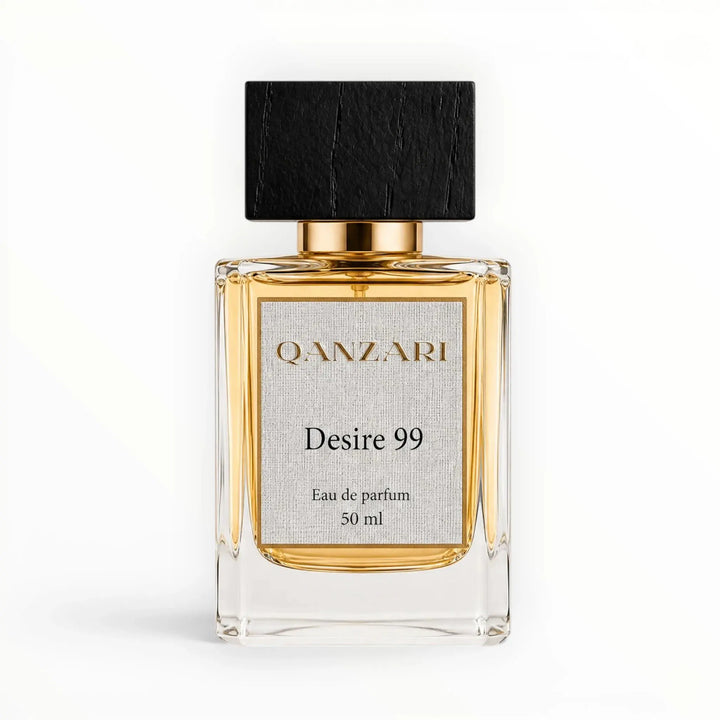
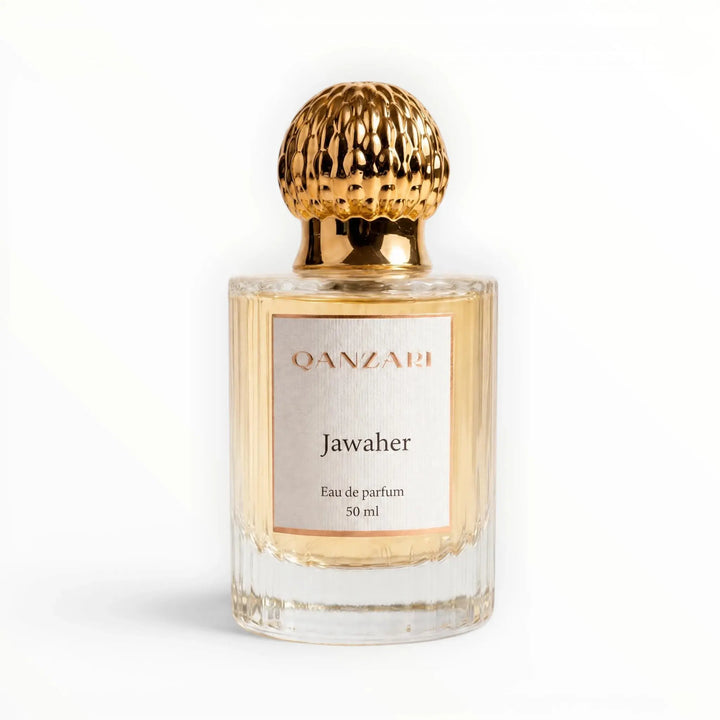
At Qanzari, oud is appreciated not as a trend, but as an Arabian treasure - one that can be interpreted with heritage, elegance, and a modern sense of occasion.
The right oud is the one that feels like your presence after you have left the room: refined, unmistakable, and worth remembering.