August 19, 2026
Guide to Scent Layering Basics for Lasting Wear
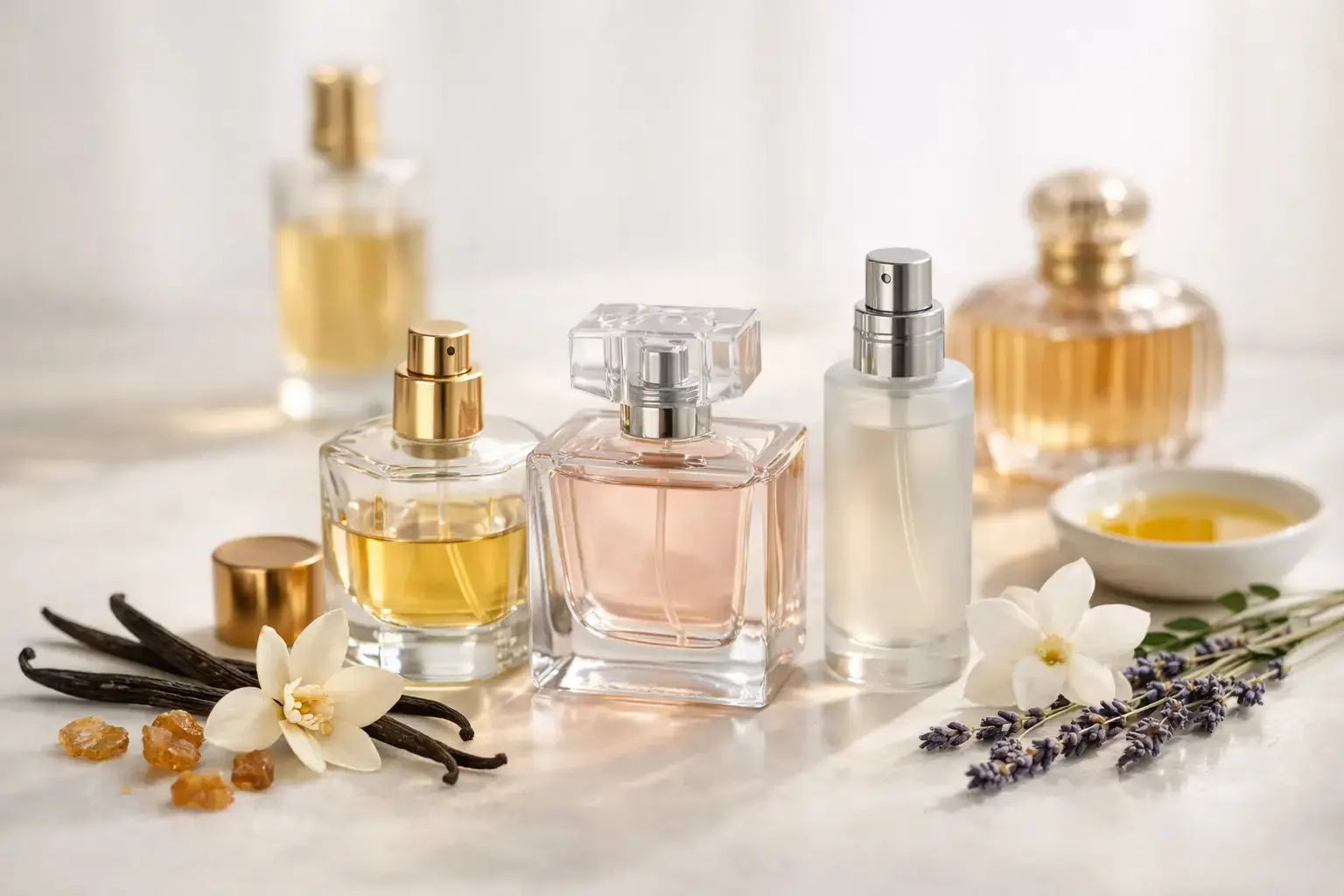
A memorable fragrance rarely comes from one beautiful bottle alone. It comes from the way scent settles into the skin, meets the warmth of the body, and leaves a subtle trace long after you have entered the room. This guide to scent layering basics is for those who want their fragrance to feel more personal, more enduring, and unmistakably refined.
Layering is not about wearing as many scents as possible. It is a considered ritual. When done well, it gives oud more depth, makes amber feel warmer, softens musk, and lets vanilla become elegant rather than overly sweet. The result is a fragrance presence that feels like your own signature.
What Scent Layering Actually Does
Scent layering means applying complementary fragranced products in sequence. You might begin with a scented body wash, follow with a body cream or oil, then finish with perfume. Some people also layer two perfumes, though that requires a lighter hand and a clear understanding of how notes interact.
The practical benefit is longevity. Fragrance molecules hold more effectively to moisturized skin than dry skin, so a cream or oil can give perfume a richer foundation. The more expressive benefit is dimension. A clean musk beneath an amber fragrance can make it feel softer and closer to the skin. A touch of vanilla under oud can bring out its smooth, resinous character.
There is a trade-off. Too many competing notes can make a fragrance feel crowded or indistinct. The goal is not to create a cloud of scent. It is to build a composed trail, one that reveals itself gradually.
Guide to Scent Layering Basics: Start With the Skin
The finest perfume performs differently on hydrated skin. After a shower, pat the body dry and apply an unscented moisturizer, or one with a quiet, compatible profile. This simple step is especially valuable in dry indoor environments, where skin can absorb fragrance quickly and shorten its presence.
If you prefer a more sensual base, use a small amount of body oil on pulse points before your perfume. Choose an oil without a strong competing aroma, or select one that naturally suits your chosen fragrance family. Warm amber, clean musk, sandalwood, and sheer vanilla are generally easy companions for deeper Arabian-inspired perfumes.
Give the moisturizer a minute to settle. Then apply perfume to warm areas of the body: the wrists, the sides of the neck, the chest, and the inner elbows. Heat helps the fragrance bloom, but more spraying does not always create better performance. Two to four sprays are often enough for a concentrated scent.
Avoid rubbing the wrists together. It does not ruin every fragrance, but the friction can push the top notes to evaporate more quickly and disrupt the opening you paid to experience.
Build Around One Dominant Note
A confident layered fragrance has a center. Before combining products, identify the note you want others to support. For a luxurious, heritage-rich effect, that center may be oud, amber, or musk.
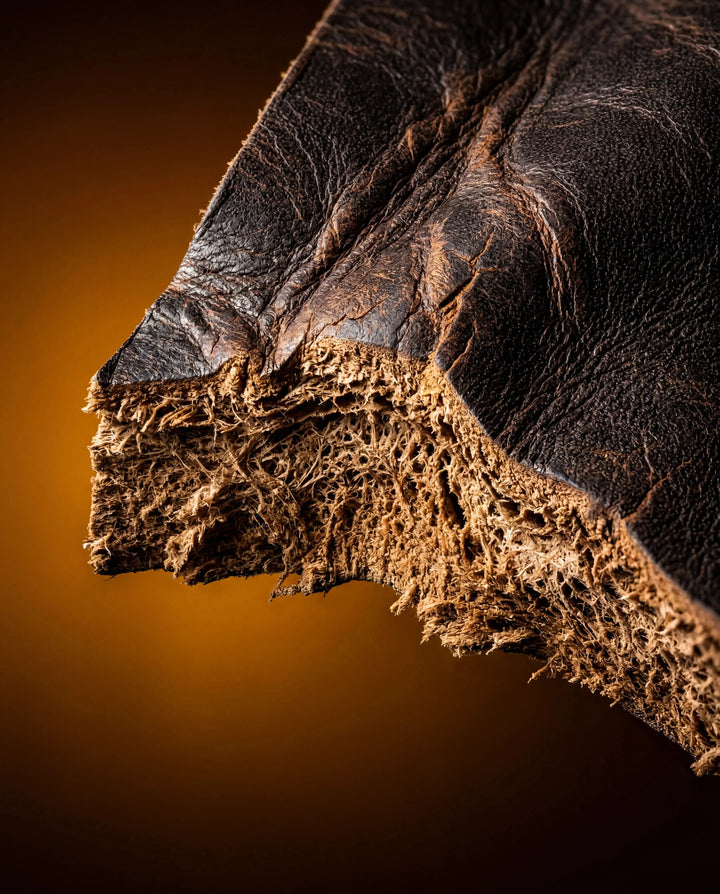
Oud has presence. Its woody, smoky, sometimes leathery facets pair beautifully with rose, saffron, amber, vanilla, and sandalwood. If your oud perfume feels intense for daytime, place a clean musk or soft vanilla lotion underneath it. This rounds the sharper edges without taking away its authority.
Amber is naturally generous, with a warm glow that can feel resinous, sweet, spicy, or mineral depending on the composition. It layers well with woods, tonka, vanilla, and a subtle citrus opening. In warm weather, keep the supporting scent light. A heavy gourmand under an already rich amber can become too dense in the heat.
Musk is the quiet architect of layering. A skin-like musk can make brighter fragrances feel more intimate and can give bold notes a smoother finish. It is ideal for people who want their perfume to feel polished rather than loud.
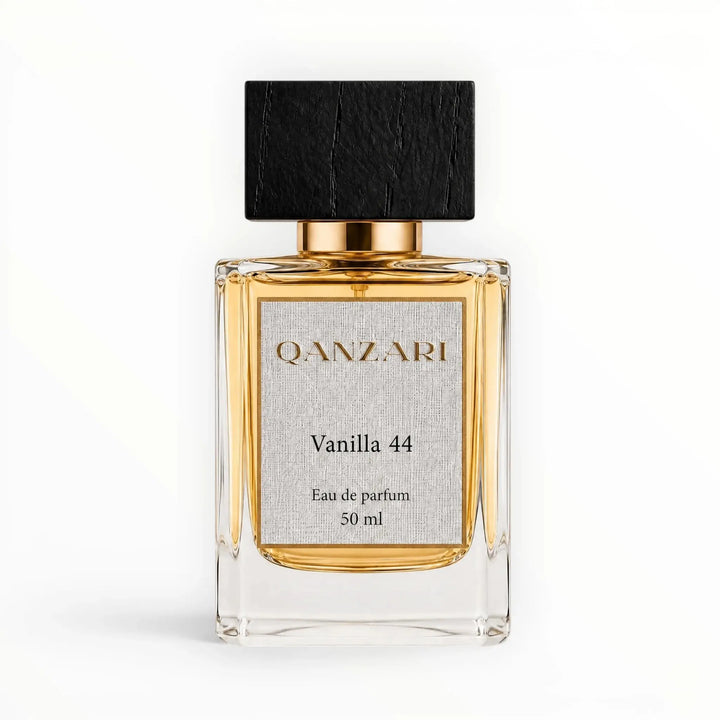
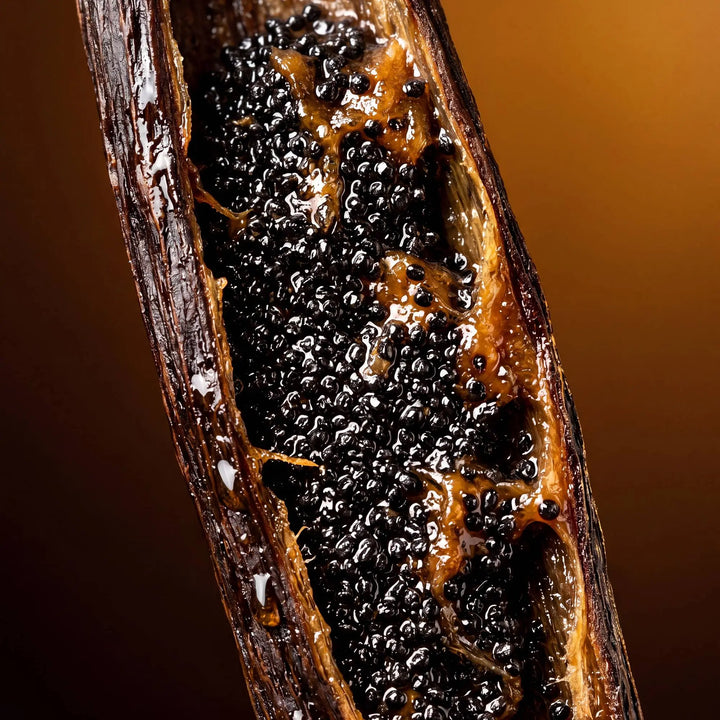
Vanilla deserves restraint. Used as a soft base, it adds warmth and sensuality to oud, spice, and amber. Used too heavily alongside a sweet perfume, it can flatten the composition. Look for vanilla with woods, smoke, or musk when you want a more mature effect.
Choose Combinations That Share a Mood
You do not need to understand every note in a formula to layer well. Start with the mood. Fragrances that belong to a similar atmosphere tend to work together: warm with warm, fresh with fresh, floral with floral.
For evening, a musk base beneath amber or oud creates a smooth, magnetic character. Add a whisper of vanilla only if the perfume itself is dry, woody, or smoky and you want more softness. This combination suits dinners, formal occasions, and moments when your fragrance should feel like a finishing detail of excellent tailoring.
For daytime, begin with clean musk or a light citrus body product, then apply a refined woody or amber perfume. The contrast keeps the result lifted. In hot or humid weather, this is often more elegant than layering several sweet or resinous products at once.
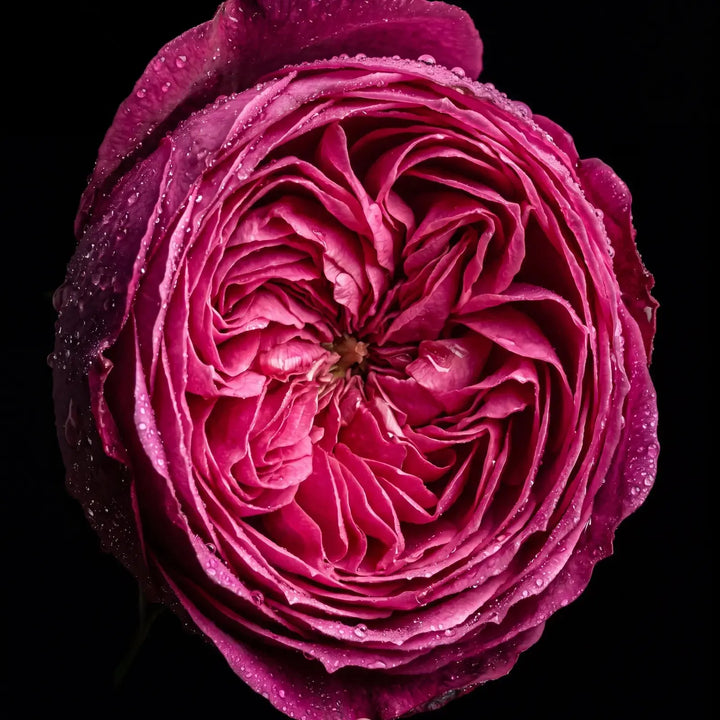
Rose and oud remain one of perfumery's great pairings, but proportion matters. If the oud is powerful, let the rose be sheer. If the rose is plush and deep, use a restrained oud. The contrast should feel like silk against polished wood, not a contest between two strong voices.
How to Layer Two Perfumes Without Overdoing It
Layering two perfumes is the most creative part of the ritual, and the easiest place to lose balance. Begin with one fragrance as the base and one as the accent. The base should be softer, simpler, or more skin-like. The accent should carry the distinctive character you want people to remember.
Apply the base first, using one or two sprays on the chest or inner elbows. Follow with the accent on the neck or wrists. Keeping them on different areas lets them mingle through movement rather than becoming an immediate, indistinct blend.
A clean white musk under a woody oud is a dependable first experiment. So is a smooth amber beneath a dry spice fragrance. If both perfumes are already rich, use only one spray of each and test them at home before wearing the combination to an event.
Do not layer two fragrances simply because both smell beautiful on their own. A bright aquatic scent and a dense smoky oud may clash unless there is a shared bridge note, such as citrus, wood, or musk. Personal chemistry matters too. What feels balanced on one person can turn sweet, sharp, or overly powerful on another.
Make Layering Work in Warm Weather
Heat changes fragrance. It amplifies projection and brings base notes forward more quickly, which is why a perfume that feels perfectly measured indoors can become intense outside. For warm climates, use fewer sprays and create longevity through skin preparation rather than excess perfume.
Choose breathable layers. A lightweight moisturizer, a clean musk, and a well-composed oud or amber perfume can offer beautiful staying power without becoming overwhelming. Save dense oils and sweeter combinations for evening, air-conditioned spaces, or cooler months.
Clothing can also carry fragrance, but test carefully on an inconspicuous area first. Oils and richly colored formulas may mark delicate fabrics. A light mist from a distance on a scarf or the lining of a jacket can extend the experience, but skin should remain the heart of your scent ritual.
Give Each Layer Time to Speak
One of the most overlooked techniques is patience. Apply your base product, then wait a moment before perfume. After spraying, allow the fragrance to develop for at least 15 minutes before deciding whether it works. The first impression is often led by sparkling top notes, while the real harmony appears as the heart and base settle in.
Keep a simple note of combinations you enjoy. Record the weather, the number of sprays, and how the scent felt after an hour. This is not about turning fragrance into a laboratory exercise. It is about recognizing what makes you feel composed, confident, and distinctly yourself.
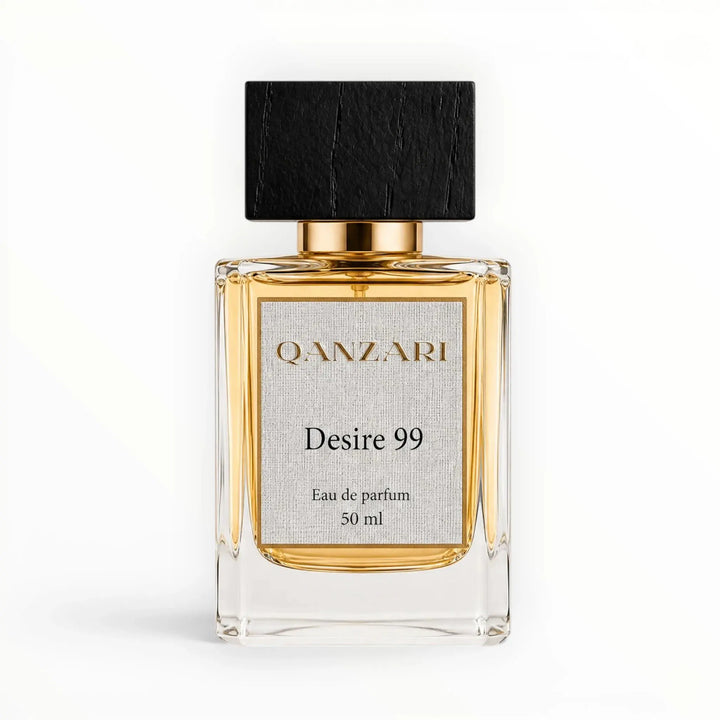
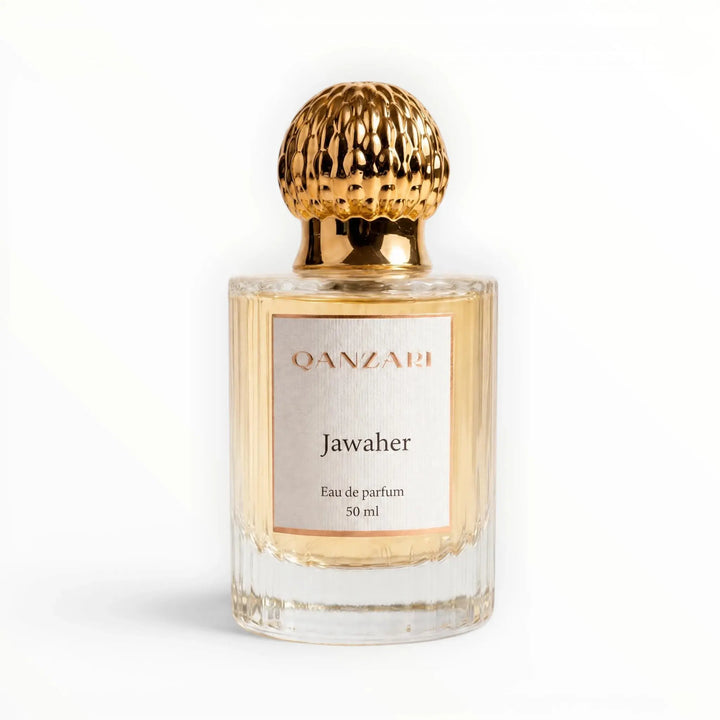
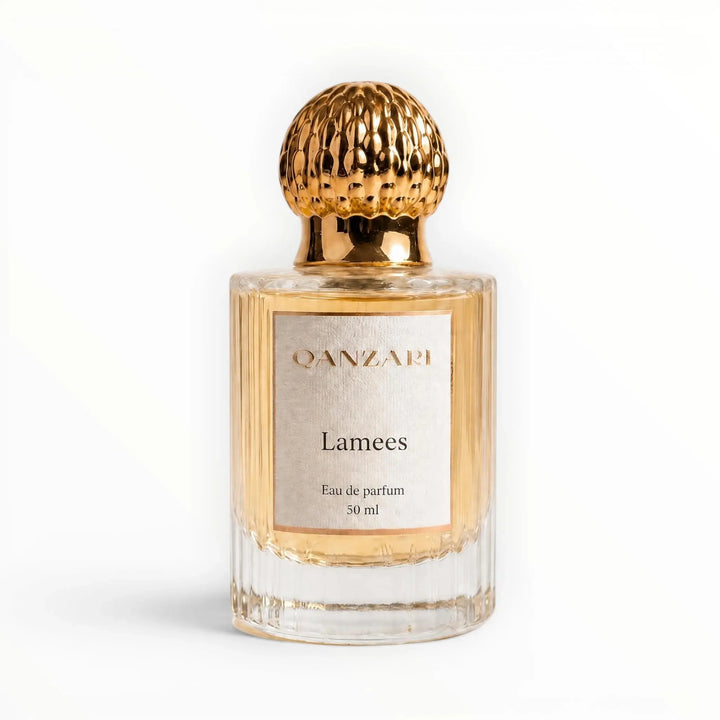
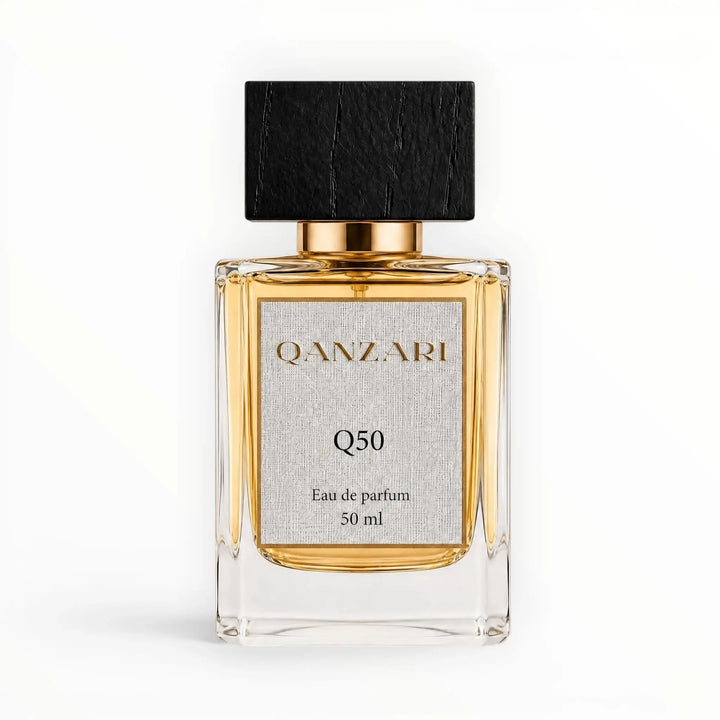
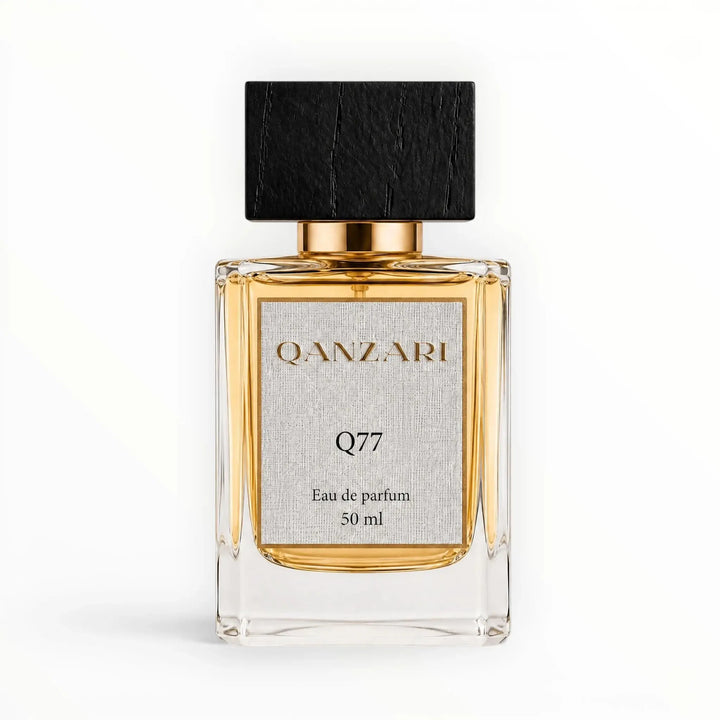
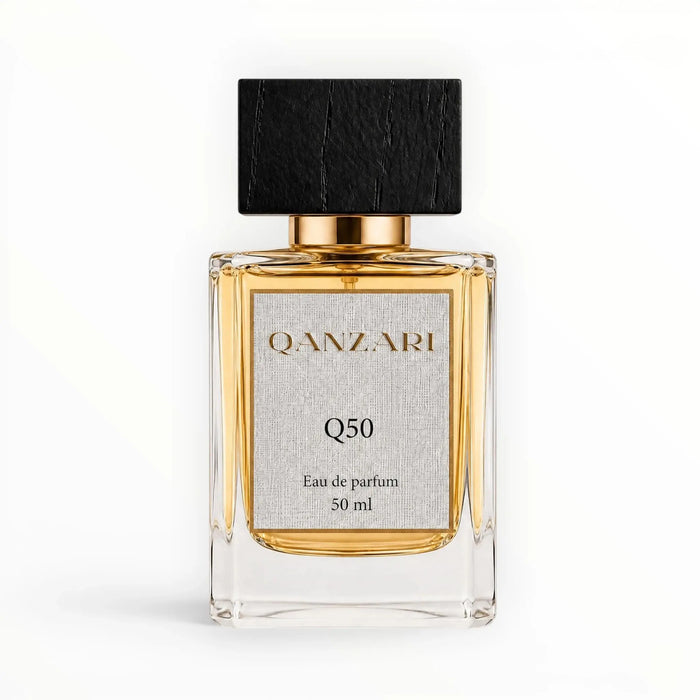
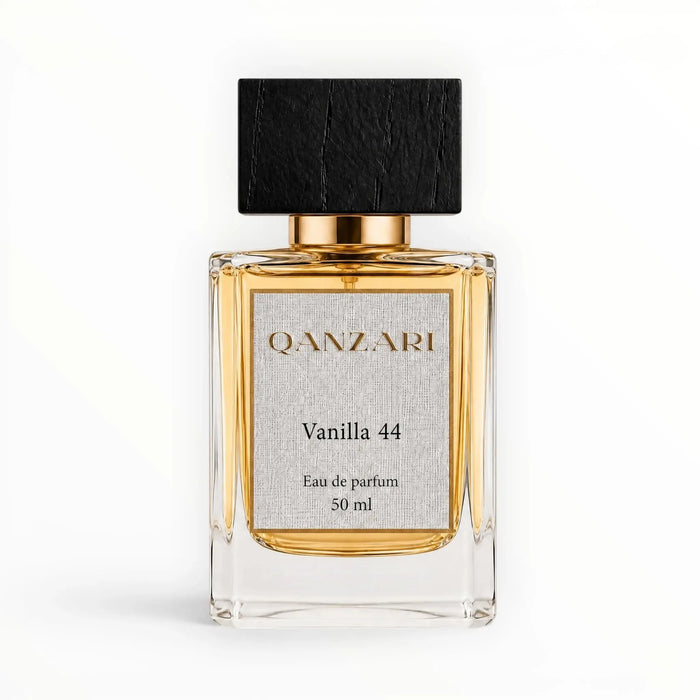
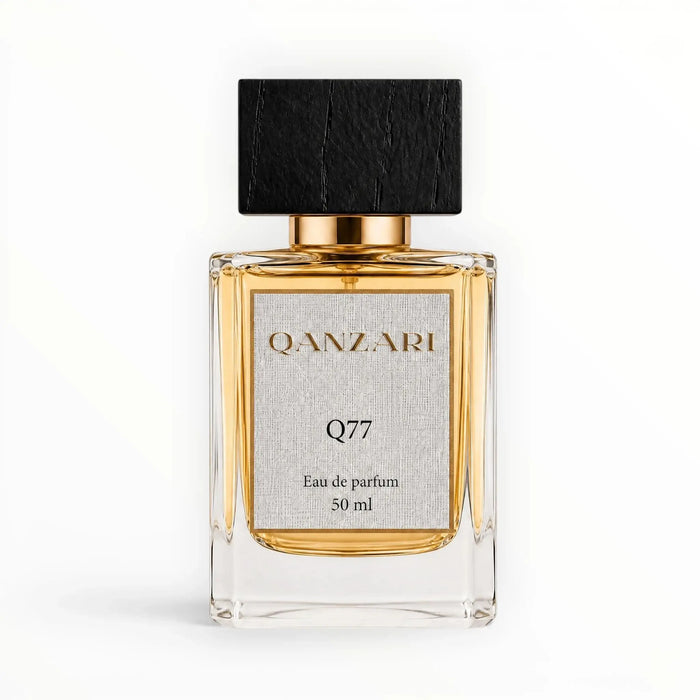
Qanzari's world of oud, amber, musk, and vanilla offers a natural starting point for this kind of personal ritual: heritage-led ingredients shaped for a modern, lasting impression. Begin with one intentional pairing, wear it for a full day, and let your skin tell you whether it belongs in your signature.