June 02, 2026
Guide to Perfume Notes for Beginners

You spray a fragrance, love it in the first minute, and then an hour later it smells like a completely different story on your skin. That shift is exactly why a guide to perfume notes for beginners matters. Perfume is not a single scent frozen in place. It unfolds in stages, revealing brightness first, character next, and depth last.
For anyone building a more refined fragrance wardrobe, understanding notes changes the way you shop. You stop choosing a perfume only by its first impression and start recognizing how it will wear through a dinner, a workday, or a warm evening outdoors. That is where fragrance becomes more personal, more intentional, and far more rewarding.
What perfume notes actually mean
Perfume notes are the individual scent impressions you notice as a fragrance develops. They are grouped into layers that appear at different times after application. Think of them less as separate ingredients and more as the stages of a composition.
A well-made perfume usually opens with top notes, moves into heart notes, and settles into base notes. Each stage plays a different role. Some attract you immediately. Others stay close to the skin and shape the memory people carry of your scent.
This is why testing fragrance can be deceptive if you rush it. The first spray may be fresh and sparkling, but that does not mean the dry-down will stay bright. Likewise, a perfume that opens softly can become rich, warm, and magnetic over the next few hours.
A beginner's guide to perfume notes
If you are new to fragrance, start with the three main layers. Once you understand them, perfumes become much easier to read.
Top notes
Top notes are the opening. They are the first scents you notice in the first few minutes after spraying. These notes are often light, crisp, and attention-grabbing. Citrus, bergamot, pink pepper, saffron, herbs, and airy fruits often appear here.
Their job is to create an entrance. They make a fragrance feel clean, bright, energetic, or intriguing right away. But they do not usually stay long. On many skins, top notes fade within 15 to 30 minutes.
This matters because beginners often buy a fragrance based only on these first moments. If you love a sparkling opening, that can be part of the appeal, but it should not be the whole decision.
Heart notes
Heart notes, sometimes called middle notes, form the character of the fragrance. Once the opening softens, the heart begins to speak. This is often where florals, spices, aromatics, resins, and smooth woods appear.
If top notes are the introduction, heart notes are the conversation. They tell you whether a fragrance feels elegant, sensual, clean, romantic, smoky, or bold. In many perfumes, this stage lasts for several hours and gives the scent its true identity.
For someone drawn to Middle Eastern perfumery, the heart is often where richness starts to bloom. Rose, saffron, incense, and spice can create that luxurious, heritage-rooted signature many people seek when they want something beyond the ordinary.
Base notes
Base notes are what remain after the brighter layers fade. They are the foundation and often the most memorable part of a fragrance. Woods, oud, amber, musk, vanilla, leather, and balsamic notes often live here.
These notes give perfume depth, warmth, and longevity. They are usually heavier and slower to reveal themselves, but they are also what make a scent linger on skin, clothing, and in memory. If you want a fragrance that leaves a lasting impression, the base matters as much as anything.
In warm climates especially, rich base notes can feel more expressive on skin. But balance matters. A strong base can feel powerful and polished when blended well, while a poorly balanced one can feel overwhelming. That is where craftsmanship shows.
Why the same fragrance changes over time
Perfume changes because different aromatic materials evaporate at different speeds. Lighter materials rise first. Deeper materials stay longer. Your skin chemistry, body heat, and even the weather influence how that transition feels.
This is also why a fragrance can smell one way on paper and another on skin. A blotter helps you notice structure, but your skin brings the perfume to life. Heat can make spicy, amber, and oud-heavy scents bloom faster. Drier skin may cause some fragrances to disappear sooner. Humidity can amplify sweetness or musk.
So if a scent feels too sharp at first, give it time. If it feels too quiet, let it warm on your skin. Perfume rewards patience.
The scent families beginners should know
A practical guide to perfume notes for beginners should also explain scent families. Notes tell you what is inside a fragrance. Families tell you the overall mood.
Fresh fragrances usually feature citrus, green notes, marine accords, and aromatic herbs. They feel clean, crisp, and easy to wear, though they may not always have the deepest trail or longest wear.
Floral fragrances center on rose, jasmine, orange blossom, iris, or white florals. Some feel airy and polished. Others feel creamy, dramatic, or opulent.
Woody fragrances lean on sandalwood, cedar, patchouli, vetiver, and oud. These often feel grounded, confident, and elegant.
Amber fragrances, sometimes called oriental, bring warmth through resins, vanilla, spices, musk, and balsamic sweetness. They tend to feel rich, sensual, and evening-ready, though some modern blends make them very wearable by day.
Gourmand fragrances pull from edible tones like vanilla, caramel, cocoa, and tonka bean. They can feel comforting and luxurious, but on some people they wear sweeter than expected.
If your taste runs toward depth, presence, and sophistication, woody and amber families are often the natural starting point.
How to read a fragrance beyond the marketing
Most perfume descriptions sound beautiful. They are meant to. But reading fragrance well means looking past the poetry and asking a few simple questions.
What does it open with? That tells you how it greets the room. What sits in the heart? That shows whether it leans floral, spicy, clean, or resinous. What anchors the base? That tells you if it will finish soft, smoky, creamy, musky, or dark.
For example, bergamot, rose, and amber suggest a fragrance that opens bright, turns elegant, and settles warm. Saffron, oud, and vanilla suggest something smoother, richer, and more enveloping. Musk, citrus, and cedar may feel cleaner and more understated.
None of these combinations are better by default. It depends on the impression you want to leave.
How beginners should test perfume
The best way to test fragrance is slowly. Spray once on skin and give it at least a few hours. The opening may attract you, but the dry-down decides whether it belongs in your collection.
Try not to smell too many fragrances at once. After three or four, your nose starts to blur details. Test in a calm setting if possible, not in a rush. Fragrance is emotional, but it is also technical. Time reveals both sides.
It also helps to test for context. A perfume that feels perfect in air conditioning may wear very differently outdoors in heat. Richer notes like oud, amber, musk, and vanilla can become especially radiant in warmer weather, which is one reason they hold such lasting appeal in Arabian perfumery.
Common mistakes beginners make
The most common mistake is judging a perfume in the first minute. The second is chasing notes you think you should like instead of noticing how they actually wear on you.
Another mistake is assuming all notes behave the same in every fragrance. Vanilla can feel airy and elegant in one blend, dense and sweet in another. Oud can be smooth and polished or animalic and intense. Musk may read clean, sensual, or powdery depending on the composition.
Price is not the only indicator of quality, either. But balance, longevity, and the way a fragrance evolves usually reveal the difference between something forgettable and something truly refined.
Finding your signature through notes
If you want a signature scent, pay attention to the notes that consistently draw you in. Maybe you keep returning to amber and vanilla because you like warmth and softness. Maybe oud and spice feel more aligned with your presence. Maybe musk and woods suit your style because they feel clean but still commanding.
You do not need a perfect fragrance vocabulary on day one. You only need awareness. Notice what you enjoy at the start, what you miss when it fades, and what remains hours later. That final stage often tells you more about your taste than the opening ever will.
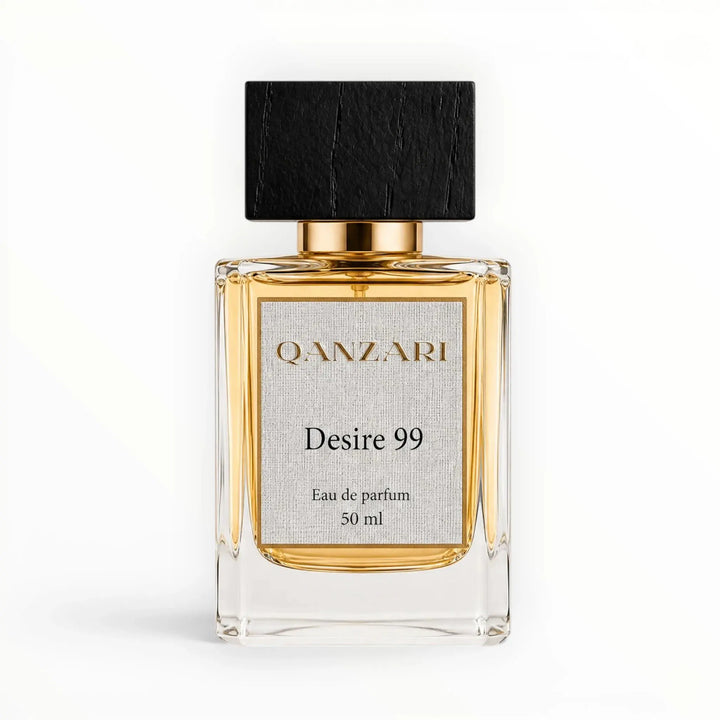
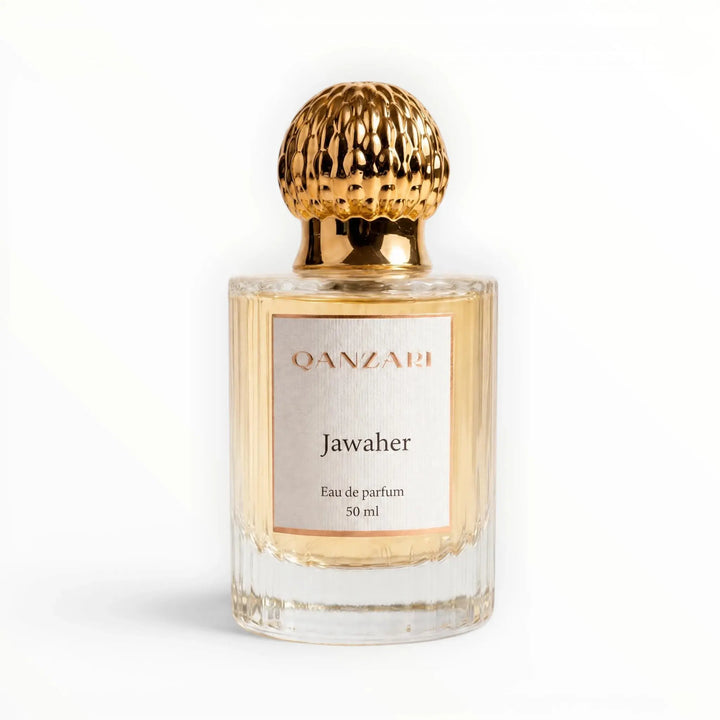
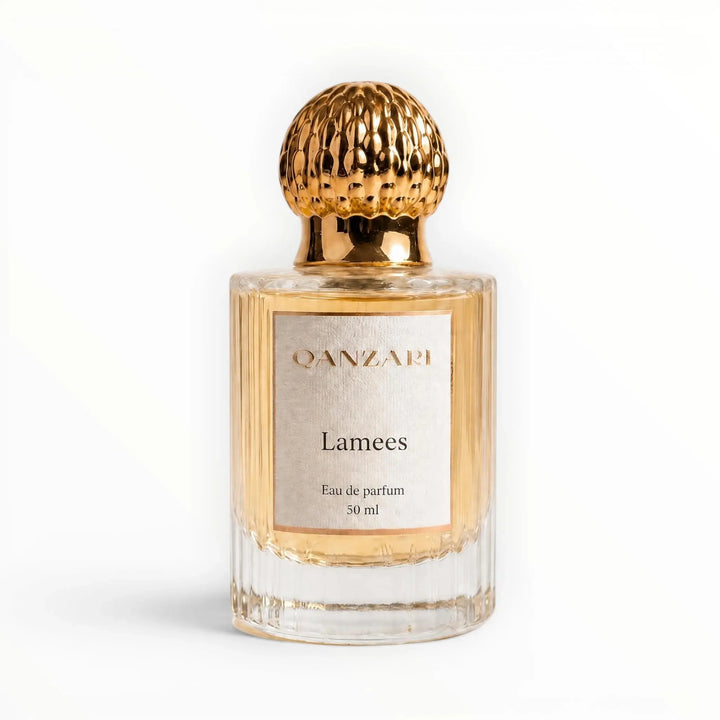
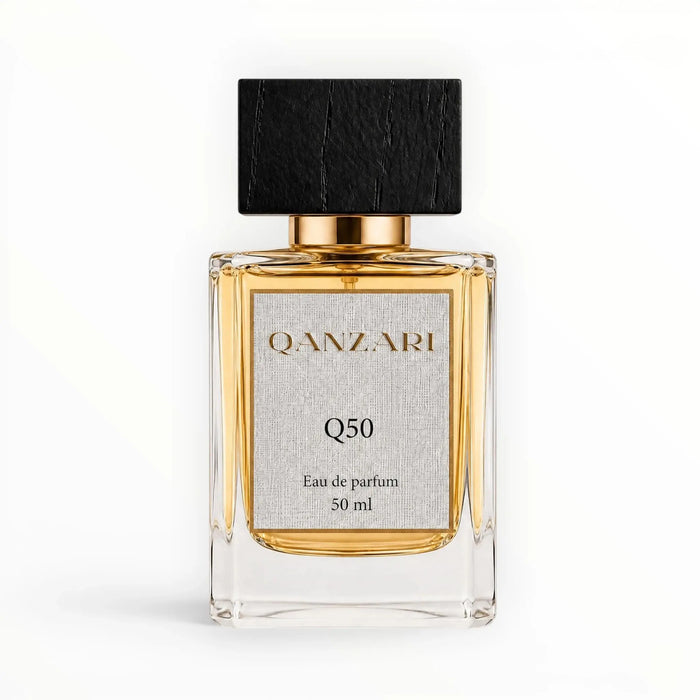
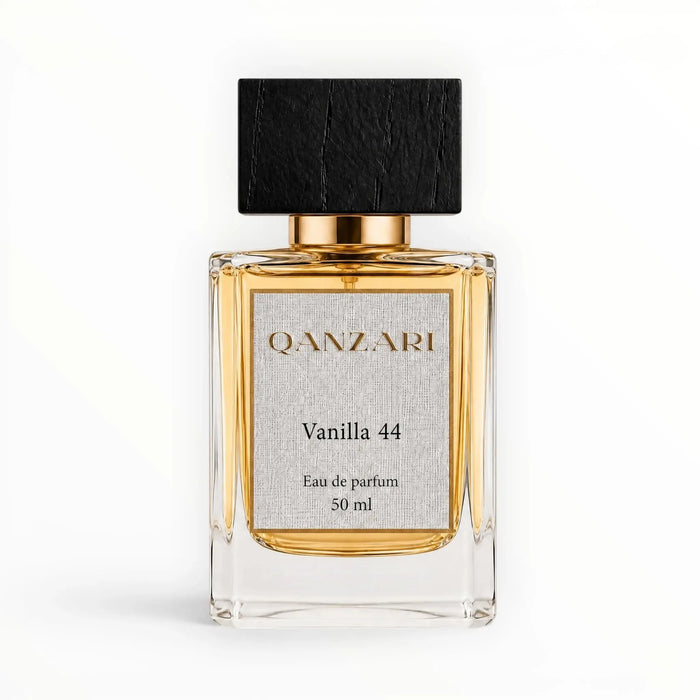
For those who appreciate fragrance as part of identity, this is where perfume becomes more than grooming. It becomes atmosphere. It becomes memory. Houses such as Qanzari build around that idea, where depth, heritage, and long-wearing character matter as much as beauty in the bottle.
Learning notes will not make you overly analytical. It will make you more intuitive. You will trust your preferences, test with more confidence, and choose fragrances that feel less accidental and more like your own quiet signature.