July 06, 2026
Guide to Arabian Fragrance Families
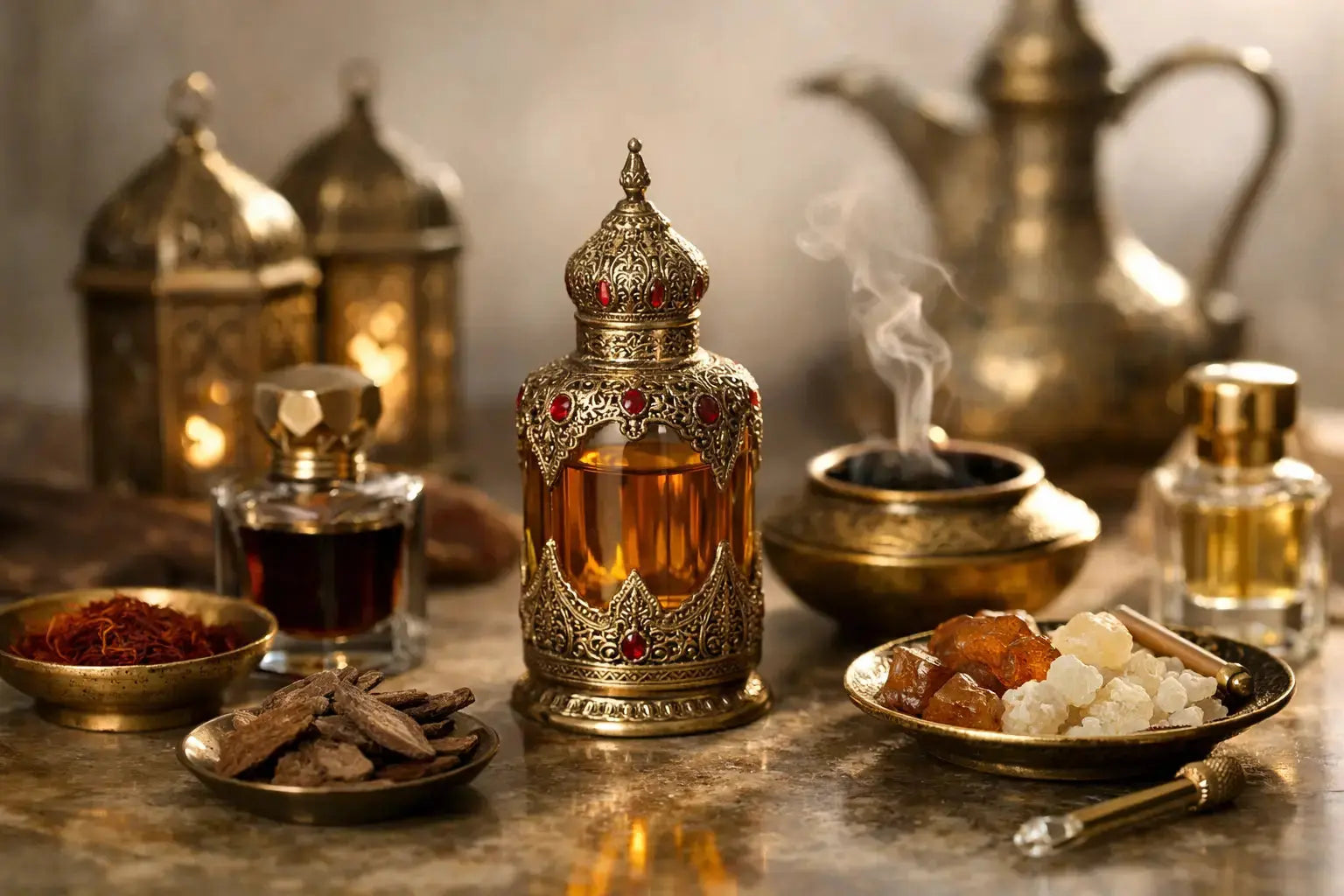
One spray can tell you almost everything. Some Arabian perfumes arrive with the deep authority of oud. Others glow with amber warmth, soften into musk, or open with rose before settling into vanilla and woods. If you are searching for a guide to Arabian fragrance families, the real goal is not to memorize perfume jargon. It is to understand which scent world feels like your own.
Arabian perfumery has always carried more than aroma. It carries presence, ritual, memory, and atmosphere. In modern luxury fragrance, those traditions remain, but they are shaped for contemporary wear - polished, refined, and built to last beautifully on skin, fabric, and in warm climates. That is why fragrance families matter. They help you choose with intention instead of guessing from a bottle description.
Why a guide to Arabian fragrance families matters
Many shoppers know they like "something warm" or "something strong," but that only gets you so far. Arabian fragrance is rich in texture. Two perfumes can both be described as woody, yet one feels smoky and ceremonial while the other feels creamy, elegant, and easy to wear daily.
Fragrance families give structure to that experience. They show you the dominant character of a scent, the mood it creates, and often how it will wear over time. This matters even more with Arabian profiles, where ingredients such as oud, amber, musk, saffron, incense, rose, and vanilla can be layered in ways that feel opulent rather than simple.
The good news is that you do not need formal training to understand them. You only need a sense of what draws you in - depth, sweetness, freshness, spice, softness, or projection.
The core Arabian fragrance families
Oud - the signature of depth and distinction
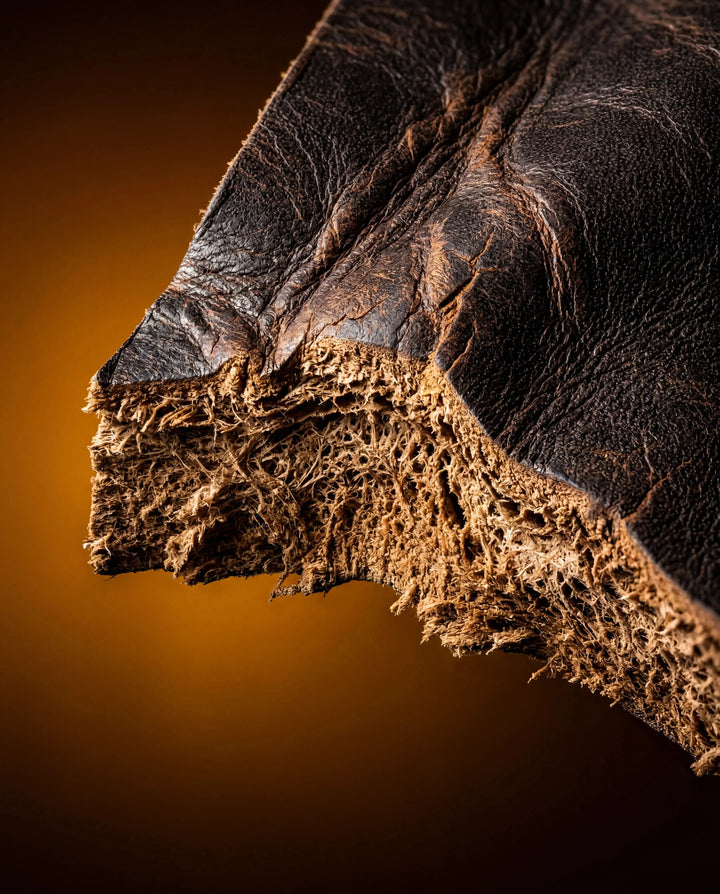
Oud is often the first family people associate with Arabian perfumery, and for good reason. It is dark, resinous, woody, and complex. Depending on the composition, oud can feel smoky, leathery, smooth, medicinal, or almost velvety.
For some, oud is instant love. It carries gravity and prestige, and it tends to leave a memorable trail. For others, especially those coming from lighter Western fragrances, oud can feel intense at first. That does not mean it is too much. It usually means the style is unfamiliar.
Not every oud perfume is heavy. Some are softened with vanilla, rose, or amber to make them more approachable. If you want something commanding for evening wear, oud is a natural place to begin. If you want oud for daily use, look for blends where it supports rather than dominates.
Amber - warmth with a golden glow
Amber sits at the heart of many Arabian-inspired scents. It brings warmth, sensuality, and a smooth richness that feels luxurious without necessarily being loud. In perfumery, amber is often an accord rather than a single raw ingredient, built from resins, balsams, woods, and sweet notes.
An amber fragrance can feel glowing, enveloping, and refined. It often wears beautifully in air-conditioned interiors and still holds its shape outdoors. This makes it a favorite for anyone who wants a scent with presence but not the sharper edges sometimes found in smoke-forward woods.
Amber also plays well with nearly everything - oud, vanilla, musk, spice, and florals. If you are unsure where to start, amber is one of the easiest entry points into Arabian perfumery because it is generous and elegant without being overly challenging.
Musk - clean skin, softened power
Musk in Arabian fragrance is not always the barely-there musk found in minimalist perfumes. It can be creamy, powdery, sensual, and quietly magnetic. It adds softness, but also longevity and depth.
Some musk-centered perfumes feel intimate, almost like warm skin elevated by luxury. Others use musk as a base that supports rose, amber, or vanilla. This family suits people who want refinement over drama. It can still be seductive, but in a more controlled way.
Musk is also one of the most versatile families. It works for day, evening, formal wear, and close settings where you want to smell exceptional without overwhelming the room.
Floral - romance with structure
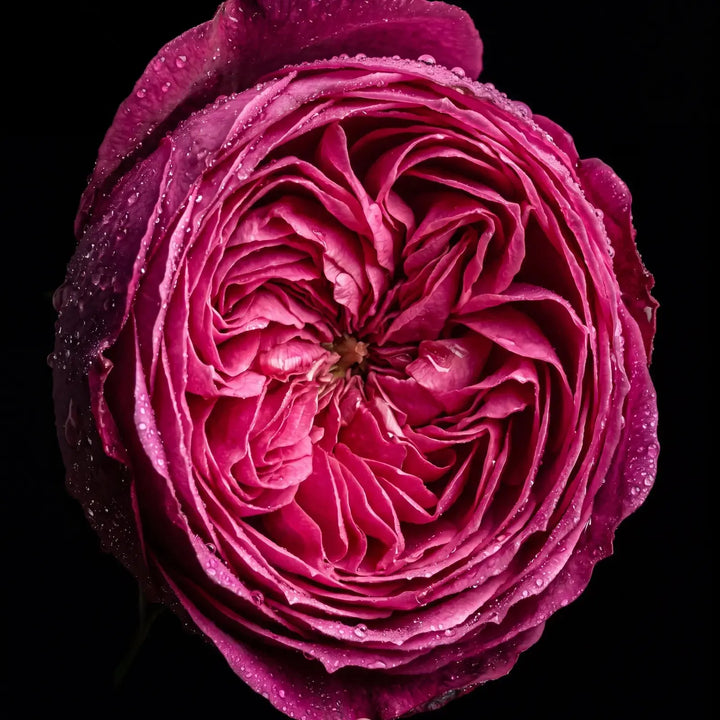
Florals in Arabian perfumery are rarely airy for the sake of being airy. They are often richer, deeper, and more textured than bright spring florals in many mass-market perfumes. Rose is the classic example - lush, velvety, and often paired with oud, saffron, amber, or musk.
White florals also appear, bringing creaminess and elegance. But Arabian florals tend to keep a sense of weight and polish. They are not usually fragile scents. They have body.
This family is ideal if you enjoy beauty with presence. A rose-oud blend can feel regal and unmistakable. A floral-musk composition may feel softer and more romantic. The difference comes down to how much sweetness, wood, or spice surrounds the flower.
Spicy - heat, movement, and character
Spice gives Arabian fragrance its pulse. Notes such as saffron, cinnamon, cardamom, clove, and pepper create movement through the scent. They can make a perfume feel hotter, drier, sweeter, or more textured depending on the blend.
A spicy fragrance often appeals to someone who wants personality. It can read sophisticated, bold, and confident, especially when paired with oud or amber. But spice is also a balancing tool. A touch of saffron can sharpen sweetness. Cardamom can brighten woods. Cinnamon can make vanilla feel more luxurious than edible.
If you find purely sweet scents too soft and purely woody scents too severe, spice may be the bridge that gives you the right amount of edge.
Gourmand and vanilla - indulgence with polish
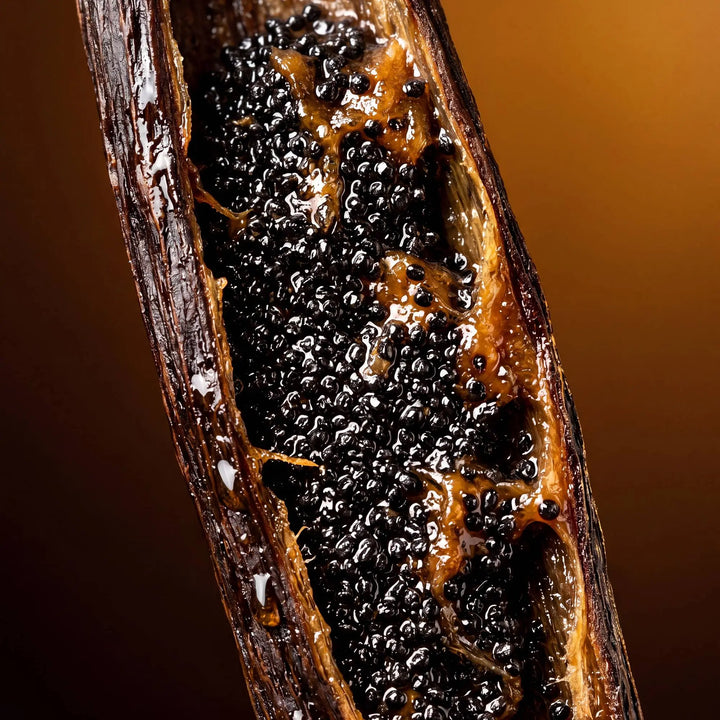
Vanilla has become one of the most loved notes in modern Arabian luxury perfumery because it softens stronger materials without losing richness. In the right composition, vanilla does not feel juvenile or sugary. It feels smooth, enveloping, and expensive.
This family can include caramelized warmth, balsamic sweetness, and creamy depth. When paired with amber or musk, vanilla becomes elegant. When paired with oud or spice, it becomes more seductive and dramatic.
For many wearers, gourmand-leaning Arabian scents are the easiest to live with daily. They feel comforting but still luxurious. The only trade-off is preference - if you dislike sweetness, choose a vanilla that is dry, woody, or resinous rather than dessert-like.
How to choose the right Arabian fragrance family
Start with how you want to be remembered. If you want authority and presence, oud and woody-amber blends are usually the strongest contenders. If you want warmth and elegance that feels easy to wear, amber and vanilla-led profiles are often the safest choice. If you prefer something close, clean, and sensual, musk may suit you best.
Then consider when and where you wear fragrance. A dense oud with smoke and leather can be stunning at night, during events, or whenever you want your scent to enter before you do. For office settings or daytime wear, a softer musk, floral amber, or restrained vanilla may feel more balanced.
Climate matters too. In heat, perfumes expand. Sweetness becomes fuller, spice becomes brighter, and heavy woods can feel even more intense. That is why well-crafted Arabian fragrances are so respected - they are often designed with performance in mind. Still, it helps to be honest about your tolerance. A fragrance that feels perfect in the evening may be too much for midday sun.
What many people get wrong about Arabian scent families
The biggest mistake is assuming Arabian fragrance always means overpowering fragrance. It can be bold, yes, but boldness is not the same as excess. A well-made Arabian scent has shape. It unfolds. It settles. It leaves an impression because it is composed with confidence, not because it shouts.
Another misconception is that fragrance families are rigid categories. They are not. The most compelling perfumes often live between families. An oud can be softened by vanilla. A floral can rest on musk and amber. A spicy fragrance can finish with creamy woods. That is where much of the beauty lies.
This is also where taste becomes personal. Someone who says they dislike oud may simply dislike harsh oud. Someone who thinks vanilla is too sweet may actually love a dry amber-vanilla wrapped in woods. Fragrance families guide you, but they should not box you in.
Finding your signature within Arabian fragrance families
The best signature scents do not just smell good. They feel aligned with your presence. They match your pace, your style, and the rooms you move through. For some, that means rose and musk with a tailored finish. For others, it means dark oud, amber, and spice with undeniable depth.
At Qanzari, that philosophy sits at the center of modern Arabian luxury - heritage-rich notes shaped into fragrances that feel polished, memorable, and made for real wear. The goal is not simply to smell expensive. It is to wear a scent that feels like legacy made personal.
When you understand fragrance families, shopping becomes more instinctive. You stop chasing trends and start recognizing character. And once you know whether your skin comes alive in oud, amber, musk, florals, spice, or vanilla, choosing perfume feels less like trial and error and more like recognition.
The right fragrance family does not ask you to become someone else. It gives your presence a more lasting voice.