August 13, 2026
Designer Fragrance vs Niche Fragrance Explained
A fragrance counter can make every bottle seem like a promise: a familiar name, a sculpted cap, a scent strip that smells beautiful for ten seconds. Yet the real choice in designer fragrance vs niche fragrance is not simply about price or prestige. It is about the kind of presence you want to carry - recognizable polish, or a more individual trail that feels like it was chosen, not merely bought.
For those drawn to oud, amber, musk, vanilla, and the warmth of Arabian perfumery, the distinction becomes especially meaningful. A scent should do more than smell pleasant. It should settle into the skin with confidence, hold its character through heat, and leave a memory after you have gone.
What Designer Fragrance Does Beautifully
Designer fragrances are created by fashion houses and established luxury labels. Their strength is refinement at scale. They are often designed to be immediately appealing, balanced, and easy to wear across offices, dinners, travel, and formal occasions.
The best designer perfumes have a polished architecture. Fresh citrus may open the scent, florals or spices create the heart, and clean woods, amber, or musk provide a smooth base. This construction makes them approachable. You know what you are getting, and the scent is unlikely to overwhelm a room or challenge the wearer.
There is also comfort in familiarity. A designer fragrance can feel like a perfectly tailored jacket: elegant, dependable, and instantly understood. For someone building a fragrance wardrobe or buying a gift, this accessibility has real value.
But broad appeal can create a trade-off. When a scent is made to please many tastes and reach many markets, it may not feel deeply personal. You may notice it on colleagues, in restaurants, or on strangers passing through a hotel lobby. That does not make it less luxurious. It simply means its identity is shared.
Designer Fragrance vs Niche Fragrance: The Real Difference
Niche fragrance houses tend to place perfume at the center of the brand rather than treating it as an extension of fashion, beauty, or celebrity. Their collections often begin with an idea, a material, a place, or a cultural reference that would be too distinctive for a mass-market launch.
This is where niche perfume can become more expressive. A composition may give saffron a darker edge, let smoky oud remain unapologetically present, or pair rose with resin, leather, and amber rather than keeping it soft and predictable. The goal is not always instant approval. It is character.
Niche does not automatically mean better, stronger, or more expensive. Some niche scents are delicate and minimalist; some designer releases are daring and beautifully made. The difference is usually creative freedom, distribution, and audience. Niche houses can afford to speak more specifically because they are not trying to be everyone’s signature scent.
For a fragrance lover, that specificity can feel like discovery. You are not choosing a logo alone. You are choosing an atmosphere: incense rising in cool evening air, sun-warmed woods, velvet musk, amber glowing against skin.
Ingredients Matter, but Composition Matters More
It is tempting to assume that niche fragrance always uses superior ingredients. The reality is more nuanced. Both designer and niche brands can use exceptional naturals, high-quality aroma materials, and skilled perfumers. Both can also use synthetic ingredients, which are often essential for stability, diffusion, and modern scent effects.
A beautiful fragrance is not defined by whether every material is natural. It is defined by how the materials perform together. Does the opening feel alive rather than harsh? Does the heart maintain its richness after the first hour? Does the base become more compelling as it warms on the skin?
In Arabian-inspired perfumery, this balance is especially important. Natural oud can be precious and complex, but it needs careful framing. Amber needs depth without becoming syrupy. Vanilla should feel sensual rather than overly sweet. Musk should give the fragrance a clean, magnetic finish rather than flattening everything beneath it.
Seek a perfume that feels composed, not crowded. A long ingredient list does not guarantee luxury. A focused formula with a clear point of view often makes the stronger impression.
Performance Is Personal, Especially in Warm Weather
Longevity is one reason many fragrance lovers look beyond mainstream releases, particularly when they live in warm or humid climates. Heat amplifies scent. It can make fresh notes disappear quickly, while dense woods, resins, and sweet accords become more pronounced.
A fragrance with strong performance should not merely remain detectable for hours. It should evolve with grace. The first spray may bring spice or brightness, then reveal a deeper accord of oud, amber, sandalwood, or musk as the day unfolds.
Still, intensity is not the same as quality. A powerful fragrance can be elegant when its projection is controlled, and a quiet fragrance can feel luxurious when it stays close to the skin with beautiful detail. Consider the setting. A bold amber-oud composition may be perfect for evening, celebration, or cool air conditioning. A softer musky vanilla or citrus-wood scent may be more appropriate for daytime and close conversation.
Test on skin whenever possible. Your body chemistry, the weather, and even the moisturizer you wear can change how a perfume develops. Give it several hours before deciding. The dry-down is where a fragrance tells the truth.
When a Designer Scent Is the Right Choice
Choose designer fragrance when you want ease, versatility, and a well-known expression of luxury. It can be an excellent choice for daily wear, a professional environment, or a first fine fragrance purchase. Familiarity can also be part of the pleasure: there is confidence in reaching for a scent that always feels polished.
Designer perfume is also not a lesser category. Many iconic fragrances became iconic because they were expertly composed and widely loved. A scent does not lose its beauty because other people recognize it.
The question is whether it gives you the emotional response you want. If you want a clean, elegant scent that moves effortlessly from morning to night, a designer bottle may be exactly right.
When Niche Fragrance Feels More Like You
Choose niche fragrance when you want your scent to carry a clearer signature. Perhaps you are tired of sweet, generic blends. Perhaps you want the richness of saffron, smoky woods, incense, warm amber, or a more textured interpretation of rose and vanilla. Or perhaps fragrance is part of how you dress - a finishing detail that says something before you speak.
Niche perfume can reward patience. The opening may feel unfamiliar. A resinous, leathery, or oud-forward composition may need time to reveal its softness. But that evolution is often the point. The scent becomes less like an accessory and more like a private ritual.
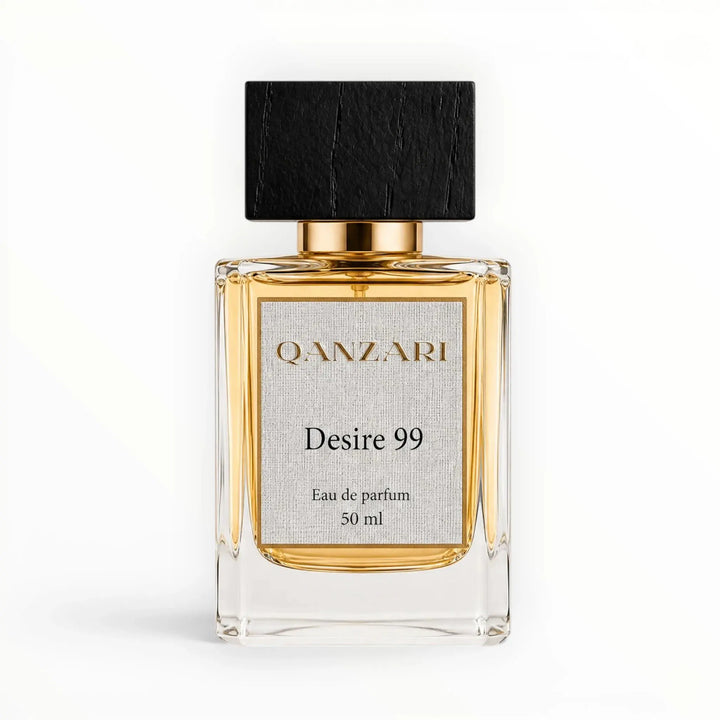
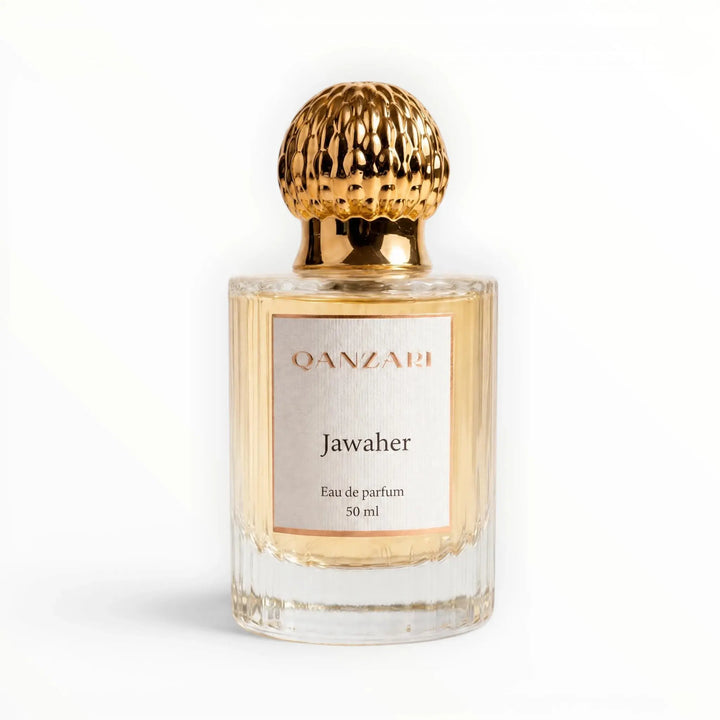
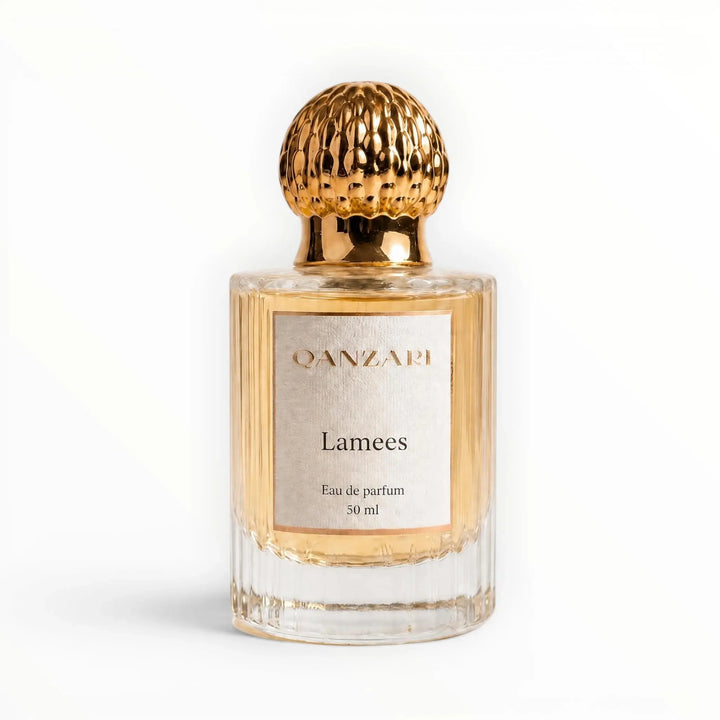
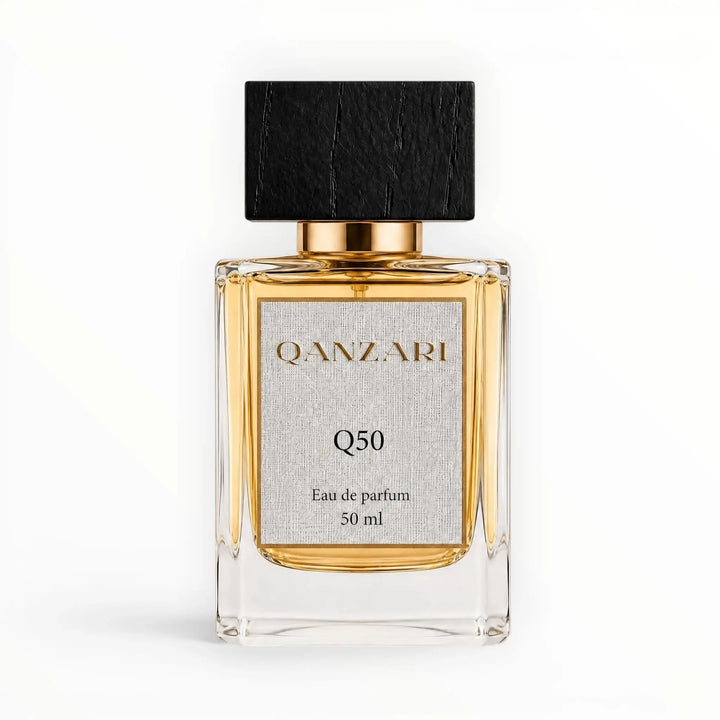
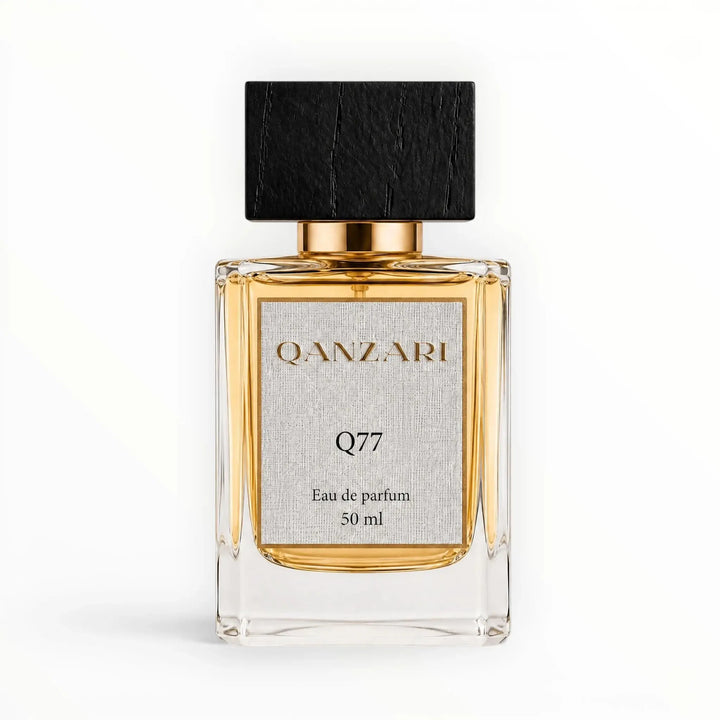
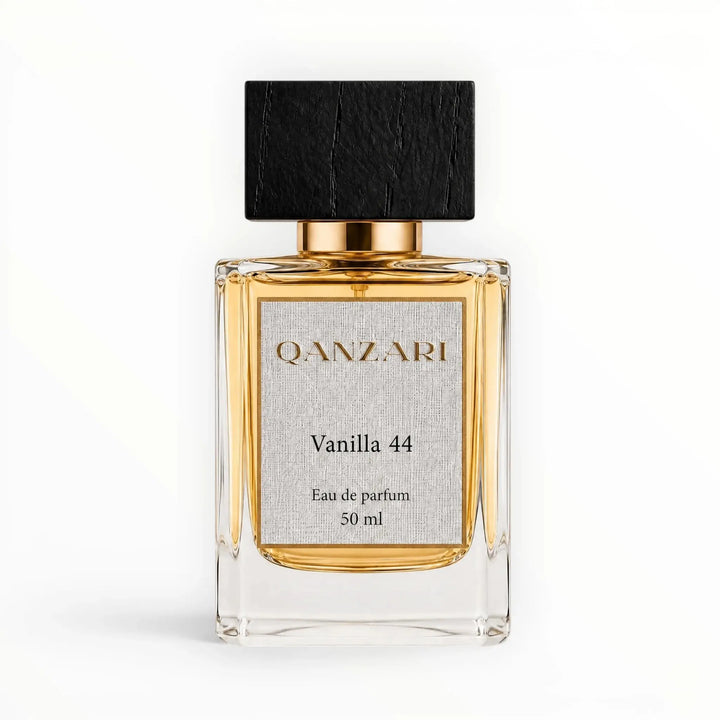
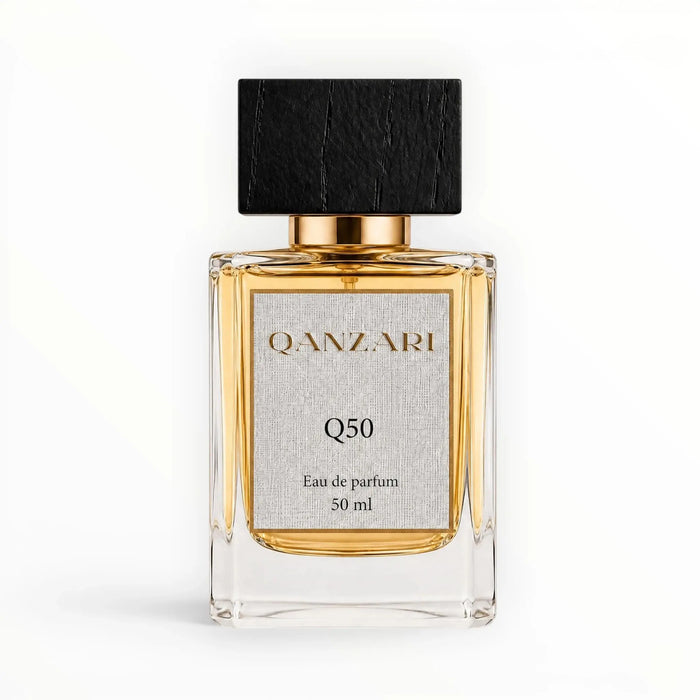
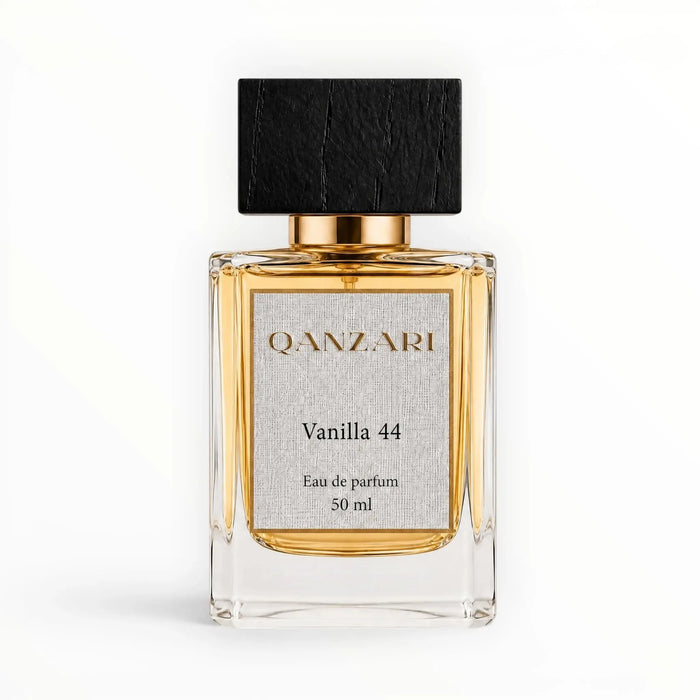
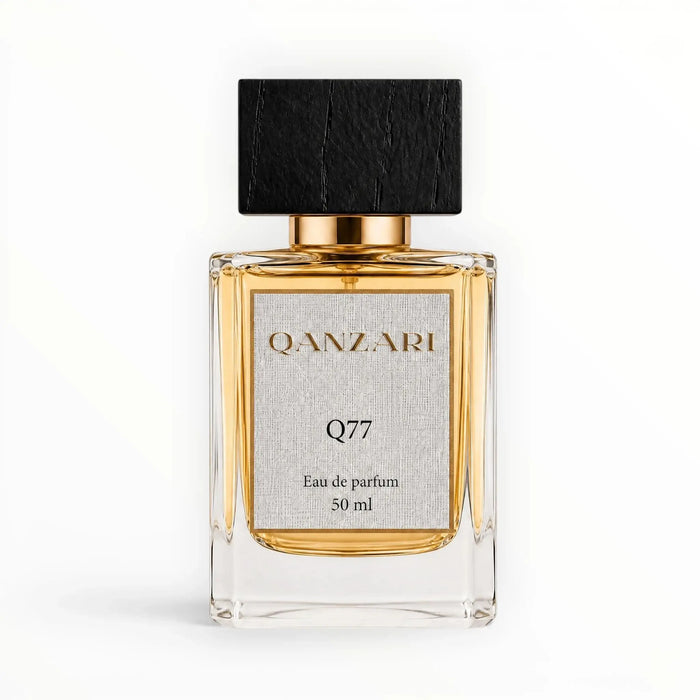
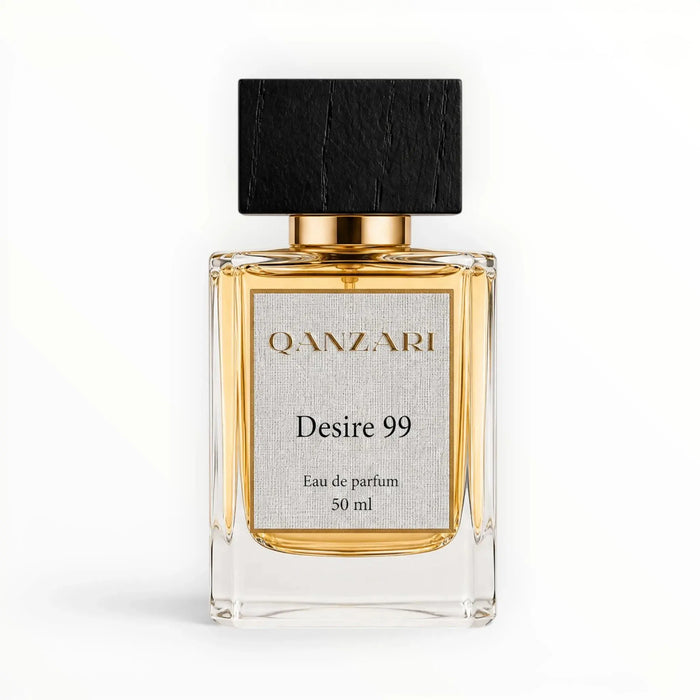
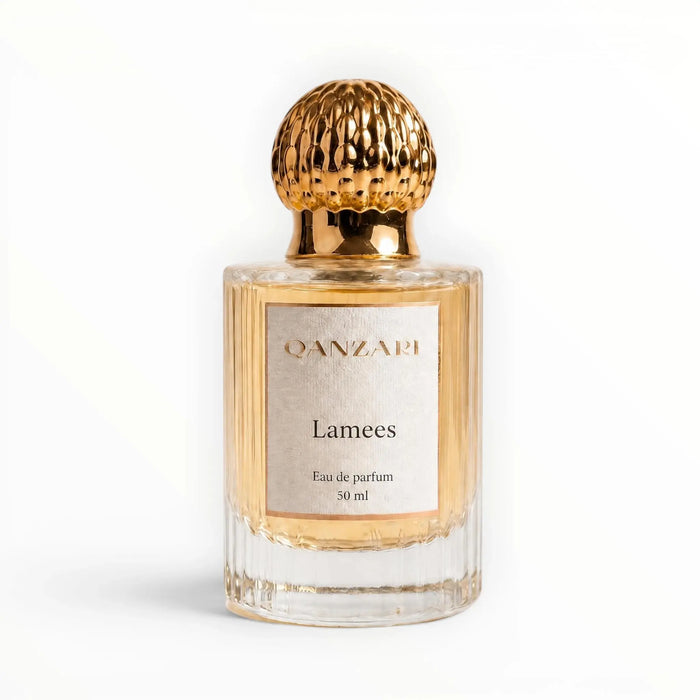
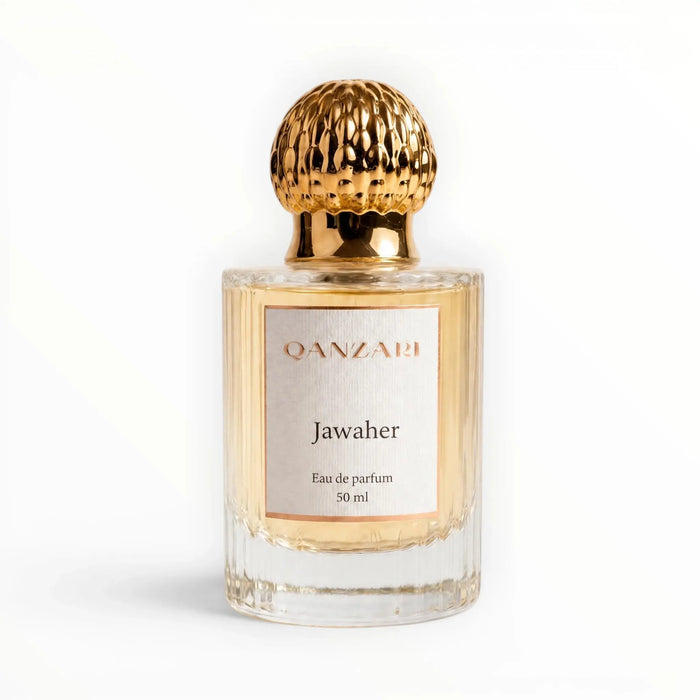
For those who appreciate Middle Eastern fragrance traditions, a house rooted in that heritage can offer something beyond a fashionable oud accord. It can bring a more natural understanding of warmth, diffusion, and layered richness. Qanzari expresses this sensibility through modern perfumes shaped by Arabian inspiration, made for a lasting and memorable presence.
How to Choose Without Following the Label
Start with the feeling you want, not the category printed on the box. Do you want to smell fresh and composed, dark and magnetic, warm and inviting, or quietly expensive? Your answer will guide you more effectively than the words designer or niche.
Then consider when you will wear it. A signature scent does not have to suit every occasion, but it should suit your life. If you spend time outdoors in heat, look for a composition with a resilient base and measured sweetness. If you work closely with others, prioritize smooth projection over sheer force.
Finally, notice what remains after several hours. The right fragrance should feel more like you as it settles, not less. It should make you want to lift your wrist again, not because it is loud, but because it has become irresistible.
The finest bottle is not necessarily the most famous or the rarest. It is the one that turns an ordinary departure into a remembered arrival.