September 28, 2026
Perfume Note Guide for a Lasting Signature Scent
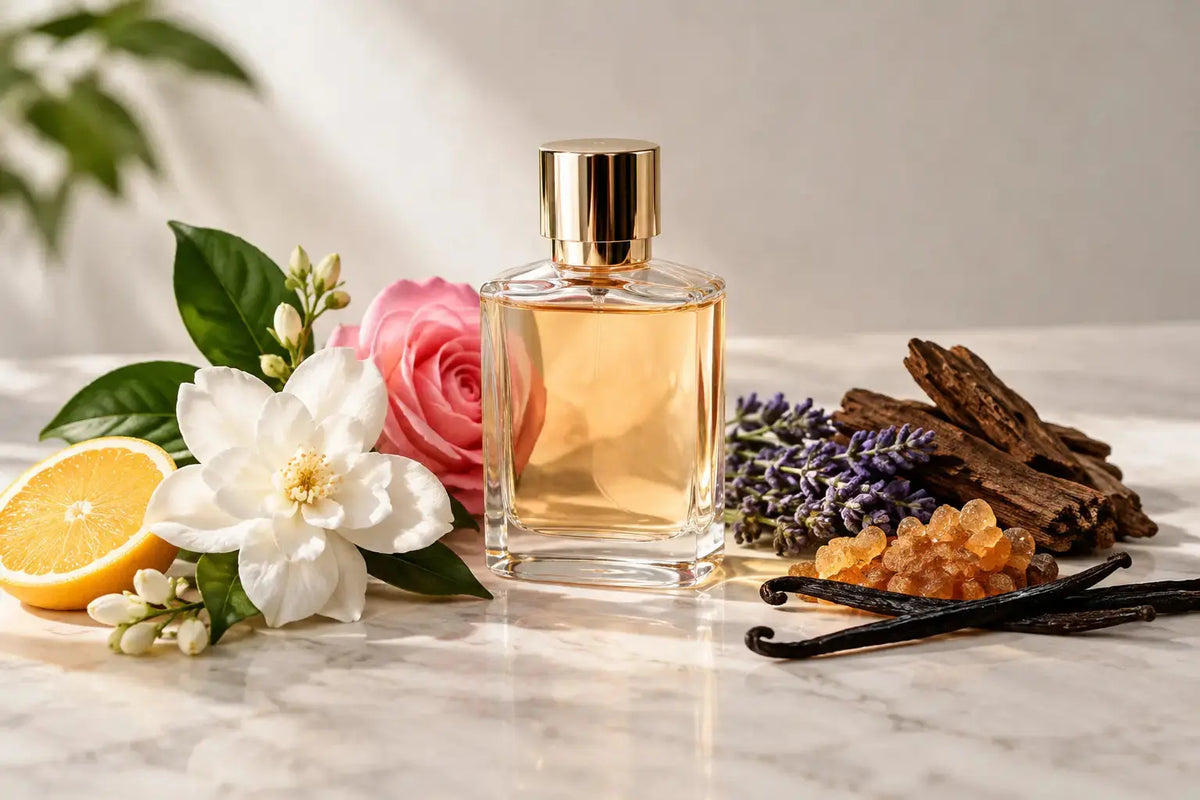
A fragrance is never experienced all at once. The bright sparkle you notice at first touch, the warmth that settles close to the skin, and the deep trail that stays after you leave the room each belong to a different moment in its story. This perfume note guide helps you read that story with confidence, so choosing a signature scent feels less like guesswork and more like an expression of personal taste.
For those drawn to Arabian perfumery, understanding notes is especially rewarding. Oud, amber, musk, vanilla, rose, saffron, and spice do more than smell beautiful on their own. In the right composition, they create presence, depth, and the long-lasting elegance that makes a fragrance memorable.
What Perfume Notes Really Mean
Perfume notes are the ingredients and scent impressions that reveal themselves over time. A perfume is built in layers, traditionally known as top notes, heart notes, and base notes. Together, they shape the fragrance's opening, personality, and lasting impression.
Think of the first spray as an introduction, not the full experience. A citrus opening may feel crisp and energetic, while a spicy accord can feel immediately polished and mysterious. Within minutes, that first impression begins to soften, making space for the fragrance's heart. Hours later, the base notes remain, often becoming the scent that people remember on your skin, clothing, or scarf.
The balance matters as much as the ingredients themselves. A fragrance can contain vanilla yet smell refined rather than sweet, or contain oud yet feel smooth rather than smoky. Concentration, quality of raw materials, and the way each note is blended determine the final character.
Perfume Note Guide: The Three Layers of Scent
Top notes: The first impression
Top notes are the first scents you notice after applying perfume. They are usually fresh, vivid, and quick to unfold, often lasting from a few minutes to around half an hour. Bergamot, lemon, grapefruit, cardamom, pink pepper, and saffron are common examples.
These notes matter because they set the tone. A bright bergamot opening can make a rich amber fragrance feel more modern and wearable during the day. Cardamom and pepper add a tailored, confident edge, especially when paired with woods or musk. Still, do not choose a fragrance based only on this first moment. The opening is designed to captivate, but it is rarely where the perfume stays.
Heart notes: The fragrance's true character
Once the opening settles, heart notes take center stage. This is the core of the fragrance, where its identity becomes clearer and more personal. Floral notes such as rose, jasmine, and orange blossom may appear here, along with warm spices, incense, leather, or soft woody accords.
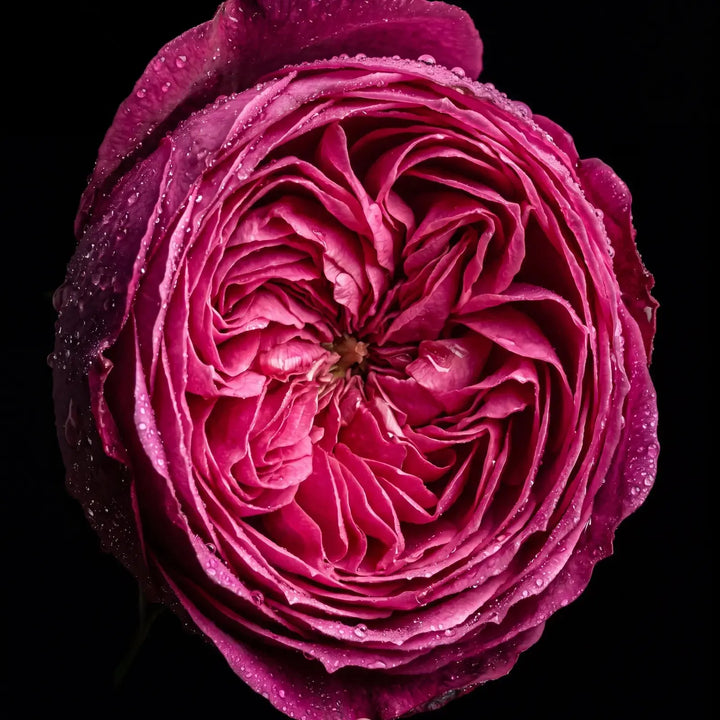
In Arabian-inspired perfumes, the heart is often where heritage becomes tangible. Rose can lend a velvety richness to oud. Saffron can bring a golden, suede-like warmth. Incense can add a quiet sense of ceremony without overwhelming the composition. These combinations feel luxurious because they create contrast: freshness against warmth, softness against smoke, brightness against shadow.
Heart notes typically last for several hours, but their exact performance depends on the formula and your skin. On some people, rose feels luminous and airy. On others, it becomes darker and more velvety when joined by amber or patchouli. Skin chemistry is not a myth, but it is also not magic. Temperature, hydration, and the amount you apply all influence how a perfume develops.
Base notes: The lasting signature
Base notes provide the foundation. They are slower to emerge, richer in texture, and often responsible for a fragrance's longevity and trail. Oud, amber, musk, sandalwood, vanilla, tonka bean, patchouli, and resins are classic base-note materials.
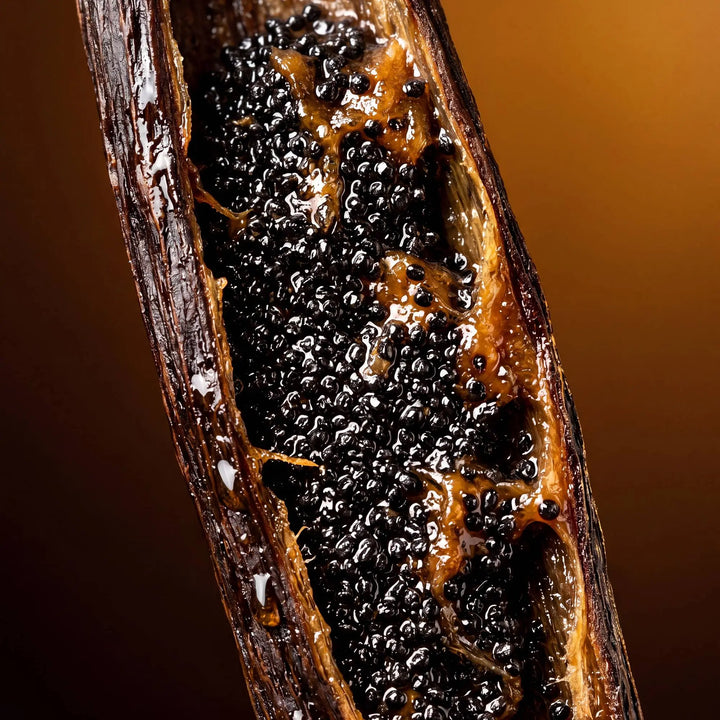
This is where many signature scents are won or lost. If you want a fragrance that lingers with confidence through a long evening, focus on its base. Amber creates warmth and a golden glow. Musk can feel clean, sensual, or skin-like depending on its style. Vanilla adds creamy depth, though a well-crafted vanilla can be smoky, woody, or subtly spiced rather than dessert-sweet.
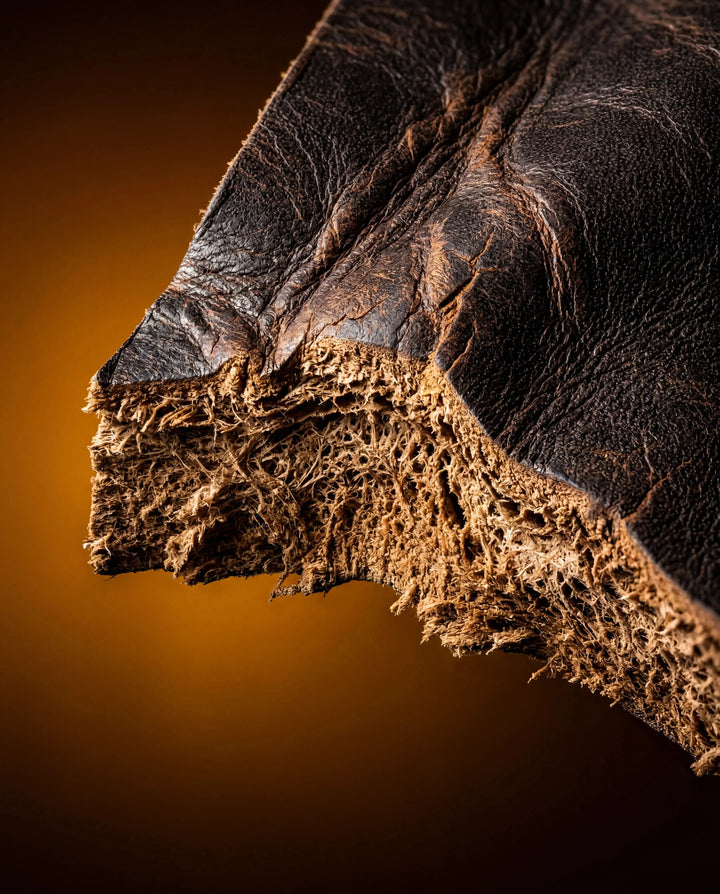
Oud deserves special attention. Its character can range from smooth and polished to animalic, leathery, smoky, or resinous. A softer oud blended with rose and amber may suit someone who wants richness without intensity. A darker oud with incense, leather, and spice makes a more commanding statement. Neither is objectively better. The right choice depends on whether you want your fragrance to whisper close to the skin or leave a distinguished trail.
How to Choose Notes That Suit Your Style
Start with the feeling you want your fragrance to create. If you prefer crisp sophistication, look for citrus, aromatic herbs, cardamom, or fresh woods in the opening. If your taste leans sensual and elegant, seek rose, amber, musk, and smooth vanilla. If you want unmistakable depth, explore oud, incense, leather, saffron, and resinous accords.
It also helps to consider when and where you will wear it. Fresh notes feel especially welcome in warm weather, while amber, oud, and vanilla become striking in the evening or air-conditioned spaces. Yet this is not a rigid rule. A high-quality fragrance built for heat can carry rich woods and amber beautifully, provided the composition has lift and balance.
For daily wear, a moderate scent trail is often more versatile than maximum intensity. For formal dinners, celebrations, or moments when you want to be remembered, a denser base can feel appropriate and compelling. Luxury is not always about being louder. It is about choosing a scent that holds its shape and feels intentional.
Why Perfume Can Smell Different on Your Skin
The same perfume may seem warmer, sweeter, or more woody from one person to another. Skin warmth helps fragrance evaporate and develop, which is why a perfume often feels more expansive in humid weather. Dry skin may hold less scent, while moisturized skin can help notes wear more smoothly and last longer.
Give a fragrance time before deciding. Spray it on clean skin, then allow at least an hour for the heart and base notes to reveal themselves. Smelling only from a paper strip is useful for comparison, but it cannot show how the perfume will move with your body heat or settle into your personal scent.
Avoid testing too many fragrances at once. After three or four, your sense of smell can become less reliable. A better approach is to wear one scent for a full day and notice it in different settings: indoors, outdoors, in the warmth, and after a few hours have passed.
Building a Fragrance Wardrobe With Purpose
You do not need a shelf full of bottles to have range. A considered fragrance wardrobe may include a fresh, polished option for daytime; a warm amber or vanilla scent for evenings; and a deeper oud composition for occasions that call for more presence.
Layering can add another dimension, but restraint is essential. A clean musk beneath a woody amber can create softness and longevity. A rose fragrance paired with a gentle oud can feel opulent and timeless. Combining two powerful perfumes, however, may blur their structure and make the result feel heavy. Let one fragrance lead and the other support.
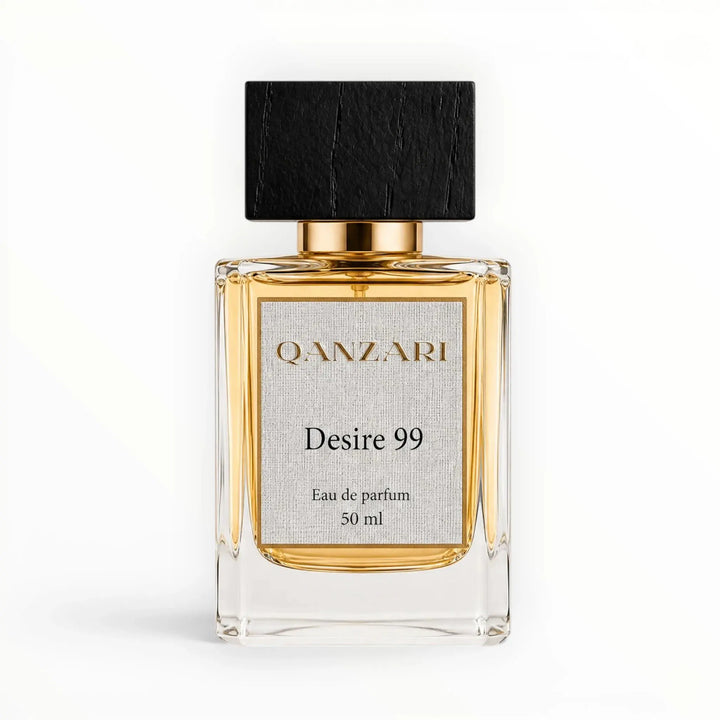
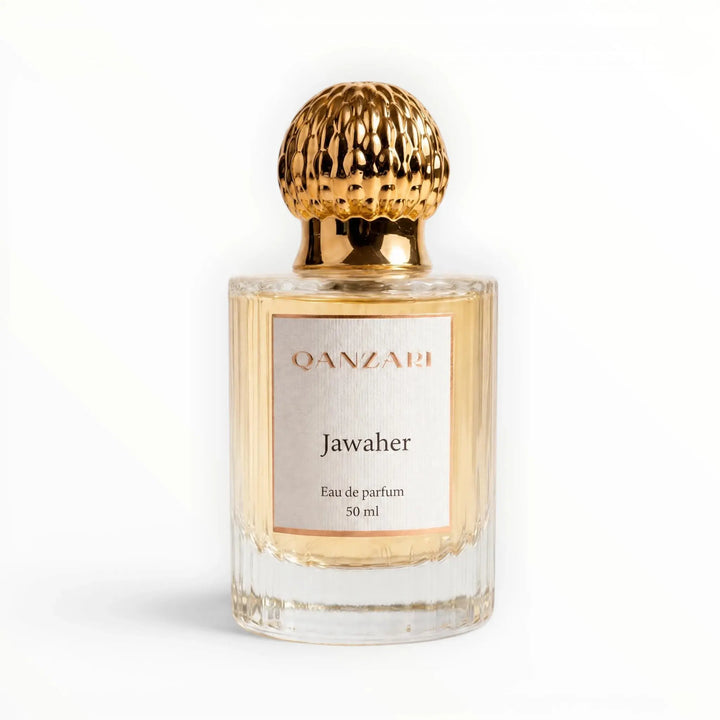
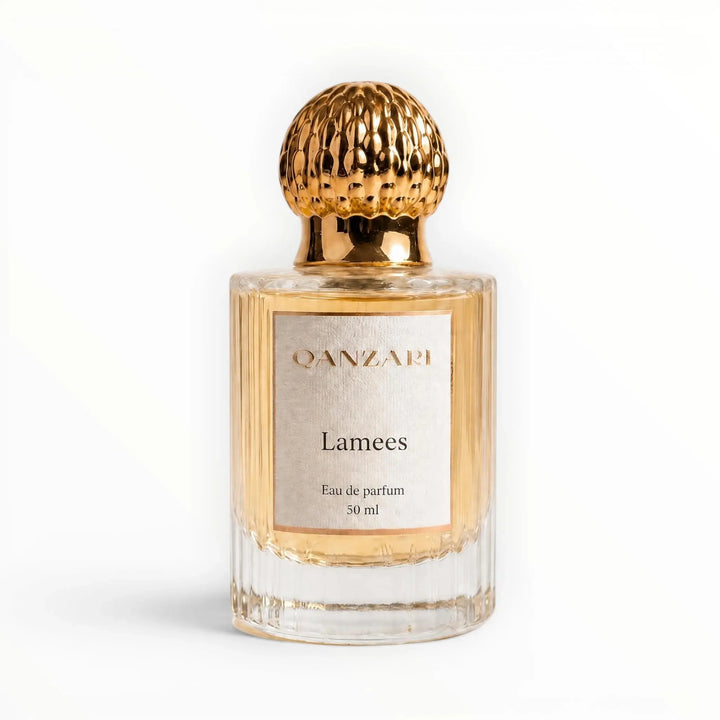
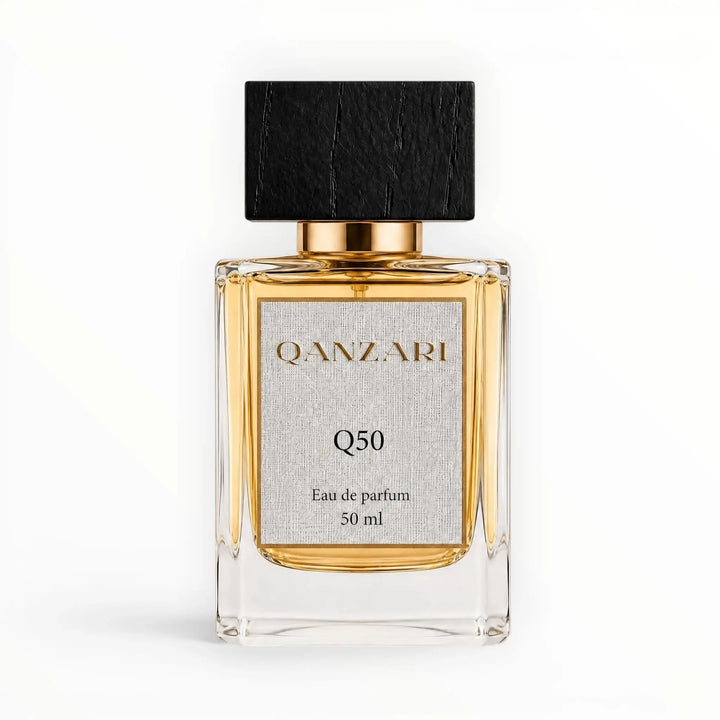
At Qanzari, this balance is central to the experience: Arabian heritage expressed with a modern, composed finish. The most lasting fragrances do not simply announce themselves. They evolve with poise, leaving behind an impression of warmth, confidence, and rare taste.
The next time a scent catches your attention, stay with it beyond the first spray. Let the brightness fade, let the heart speak, and wait for the base to become yours. Your signature fragrance is often found not in the loudest note, but in the one that remains.