July 16, 2026
Oud Perfume vs Cologne: What Sets Them Apart
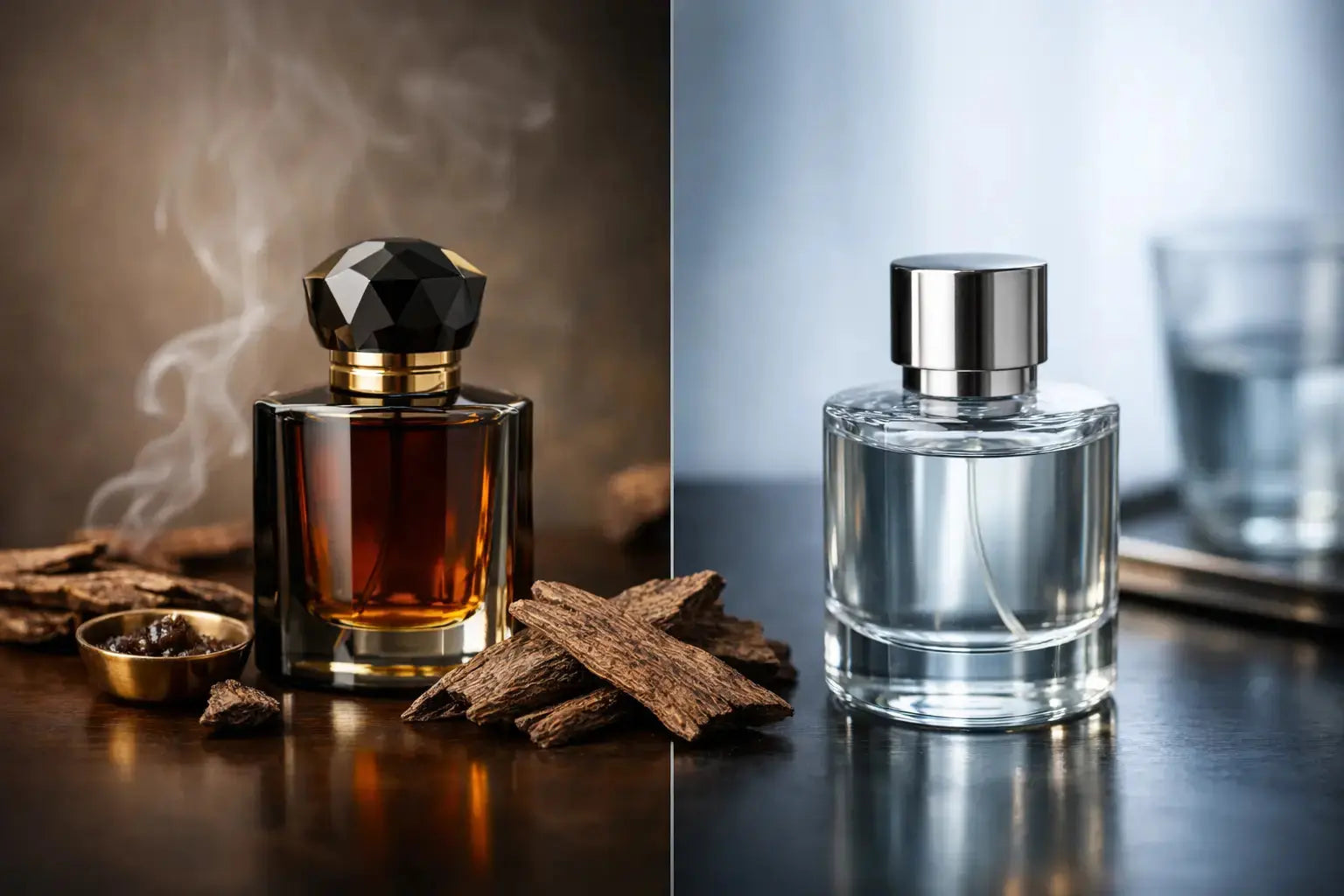
A fragrance can arrive before you do, then remain as a quiet signature after you leave. That is why the question of oud perfume vs cologne is more than a matter of labels. It is about presence, longevity, and the kind of impression you want to carry through the day. For those drawn to Arabian perfumery, the distinction becomes especially meaningful: oud has the depth to feel regal, magnetic, and unmistakably personal.
Oud Perfume vs Cologne: The Essential Difference
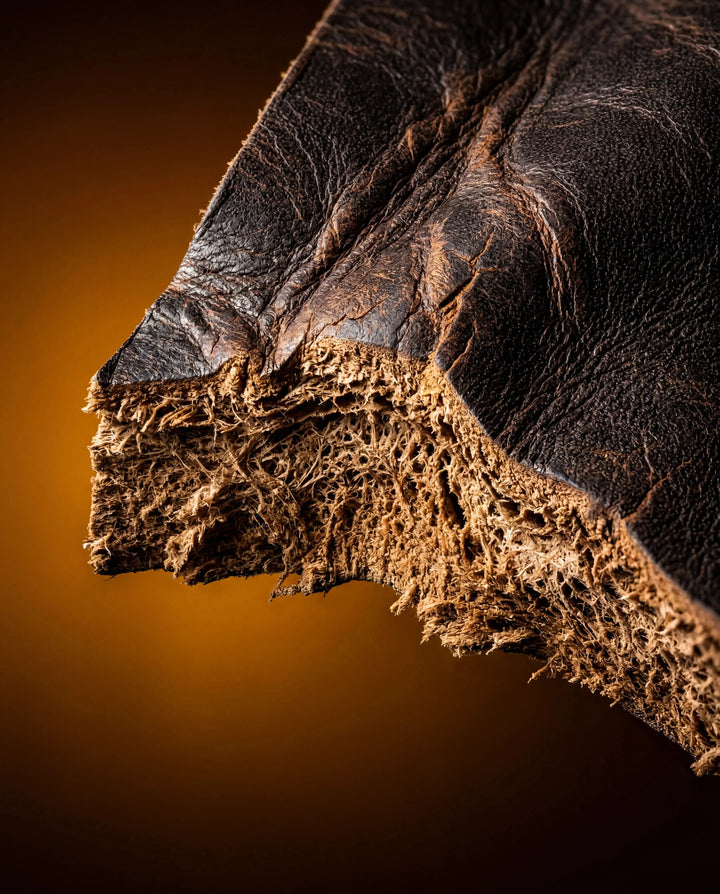
Oud is not a concentration. It is a precious fragrance material, traditionally formed when agarwood develops a richly scented resin. Its aroma can be smoky, woody, leathery, balsamic, earthy, or softly sweet, depending on its origin and how it is blended.
Perfume and cologne, on the other hand, usually refer to fragrance concentration. The more fragrance oil a formula contains, the more likely it is to project with authority and stay close to the skin for longer. This is not a fixed rule, since the quality of the ingredients and the structure of the composition matter just as much, but concentration gives a useful starting point.
Cologne, or eau de cologne, commonly has a lighter fragrance-oil concentration, often around 2 to 5 percent. It is traditionally fresh, citrus-led, and designed for an easy, refreshing lift. Perfume may refer broadly to any fragrance, but in luxury fragrance language it often points to eau de parfum or parfum, both made with a higher concentration of oils. Eau de parfum frequently sits around 15 to 25 percent, while parfum or extrait can be richer still.
The result is simple. An oud cologne may offer a brisk, clean introduction to oud, often brightened with bergamot, grapefruit, herbs, or airy woods. An oud perfume usually gives the material more room to unfold, revealing its darker warmth beside amber, musk, spices, rose, saffron, vanilla, or sandalwood.
Why Oud Feels Different in a Perfume Formula
Oud is naturally suited to perfumes with depth. It has weight, texture, and a long dry-down that can turn warmer and more intimate over several hours. In a well-crafted eau de parfum, oud does not need to announce itself loudly to feel present. It can sit beneath the opening notes like polished wood warmed by desert sun, creating a trail that feels composed rather than overwhelming.
A cologne formula can make oud more approachable, especially for someone who prefers a lighter scent wardrobe. Fresh notes may soften the material's animalic, smoky, or resinous facets. This can be ideal for casual daytime wear, a quick refresh after the gym, or warm conditions when you want fragrance to stay discreet.
Yet lightness has a trade-off. Cologne generally fades faster and may require reapplication. For a person seeking a signature scent that lasts through meetings, dinner, and evening plans, an oud perfume is often the more satisfying choice. It carries more of the story from first spray to final trace.
It Is Not Just About Strength
A strong fragrance is not automatically a refined one. Some oud perfumes are smooth and quiet, with soft amber and clean musk creating a skin-like finish. Others are intentionally bold, built around leather, incense, saffron, and deep woods. Likewise, a cologne can project beautifully during its first hour if it uses vivid citrus oils and sparkling aromatics.
What matters is balance. Fine perfumery allows oud to evolve instead of flattening it into one dark, heavy note. The best compositions have contrast: brightness against shadow, sweetness against smoke, and warmth against freshness.
Choosing Between Oud Cologne and Oud Perfume
Choose based on the setting, your scent preferences, and the experience you want from fragrance. If your style leans crisp, relaxed, and understated, an oud cologne may be a natural companion. It can offer a modern take on Arabian woods without feeling formal or intense.
If you want a fragrance that feels more ceremonial, polished, and memorable, choose oud perfume. Its fuller concentration makes it particularly compelling for evening wear, formal occasions, and moments when personal presentation matters. A luxurious oud perfume can feel like the finishing detail of a tailored jacket, a watch with a story, or a room lit by warm candlelight.
Climate matters, too. In hot and humid weather, fragrance blooms more quickly on the skin. A concentrated oud perfume can perform beautifully in these conditions, but application should be thoughtful. Two or three sprays may be enough, especially when the composition contains amber, vanilla, spice, or intense woods. A fresh oud cologne can be easier to wear under direct sun, though its lighter structure may not last from morning to night.
For a versatile approach, reserve a bright oud cologne for daytime and keep a richer oud perfume for evenings or air-conditioned settings. There is no rule that says one must replace the other. They serve different moods.
How Long Does Each One Last?
Wear time varies by skin chemistry, temperature, fabric, and formula, but the general pattern is clear. A cologne may last two to four hours, with its freshest notes fading first. An eau de parfum with oud may remain noticeable for six to ten hours, sometimes longer when it includes tenacious base notes such as amber, musk, sandalwood, or vanilla.
Parfum concentrations can last even longer, though they do not always project farther. Many parfums are designed to wear closer to the skin, creating a more intimate aura. That can be a benefit for someone who wants richness without filling every room.
Oud itself has exceptional staying power, particularly when paired with resinous or musky materials. This is why a quality oud fragrance often leaves a memory on a scarf, collar, or jacket long after the day has ended. Apply carefully to avoid oversaturation, especially on delicate fabrics.
Make Your Oud Fragrance Wear Better
Apply fragrance to clean, moisturized skin. Dry skin tends to absorb scent more quickly, while unscented lotion can help preserve the perfume's development. Focus on pulse points such as the wrists, the sides of the neck, and the chest. One light spray on clothing can extend the trail, but test first, as rich oils may mark pale or delicate materials.
Avoid rubbing your wrists together. That friction can disturb the opening and make the fragrance evolve too quickly. Let the scent settle naturally. Oud rewards patience: its first moments may be bright or spicy, while its true character often appears after the warmth of the skin has shaped it.
What to Look for in a Luxury Oud Perfume
Not all oud fragrances tell the same story. Some are built around a clean, contemporary wood accord, while others lean into the darker, more traditional facets of the material. Neither approach is better. The right one depends on whether you want subtle sophistication or a more dramatic Arabian presence.
Look for a composition with clear balance and a lasting base. Amber gives oud a golden glow. Musk brings softness and sensuality. Vanilla can round sharper edges with a smooth, addictive warmth. Rose and saffron add a classic Middle Eastern elegance, while citrus and aromatic notes make oud feel brighter for daytime.
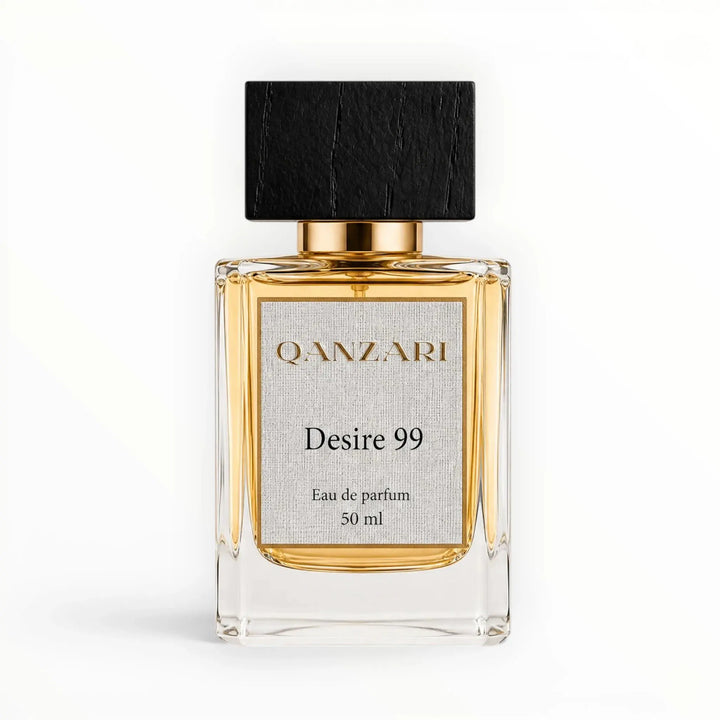
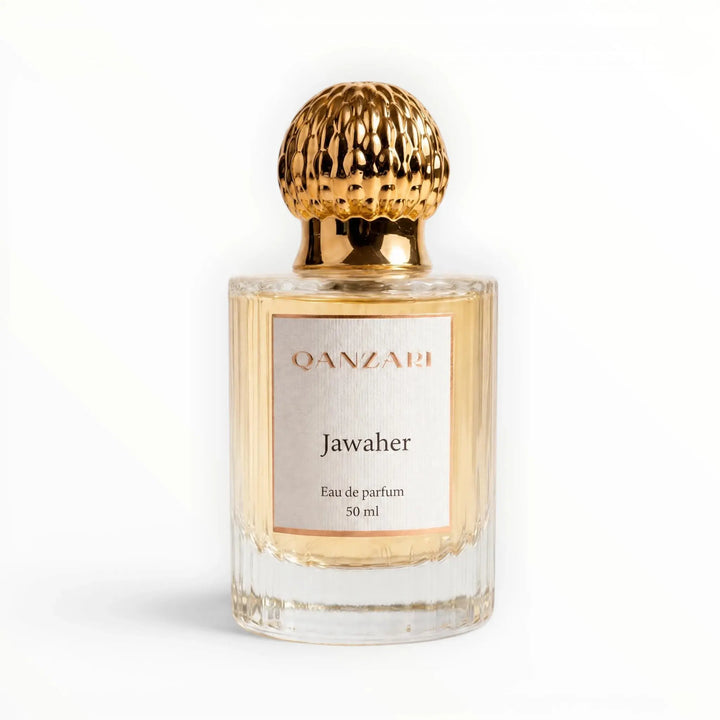
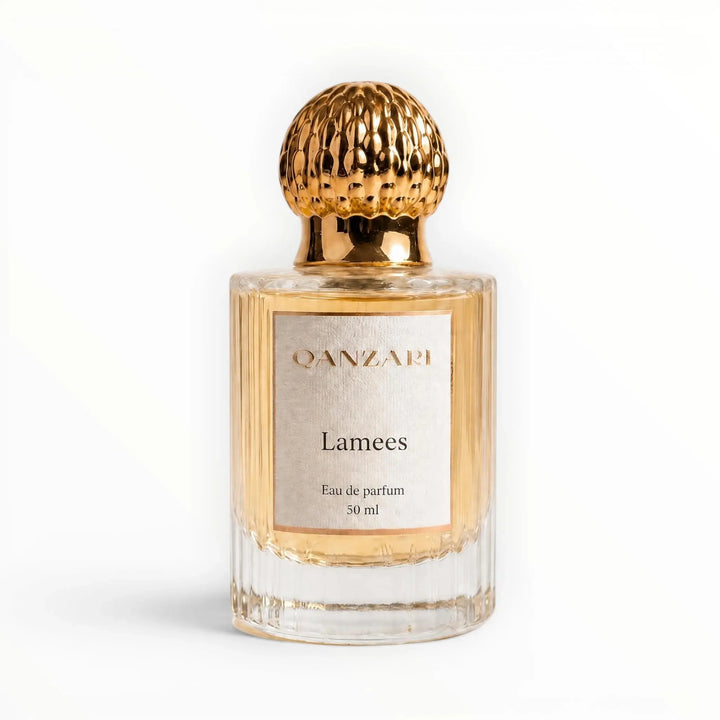
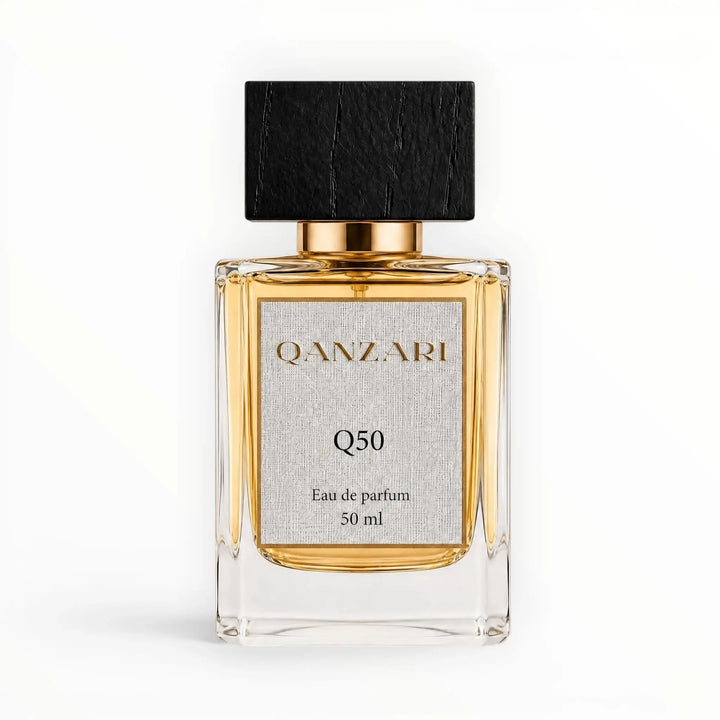
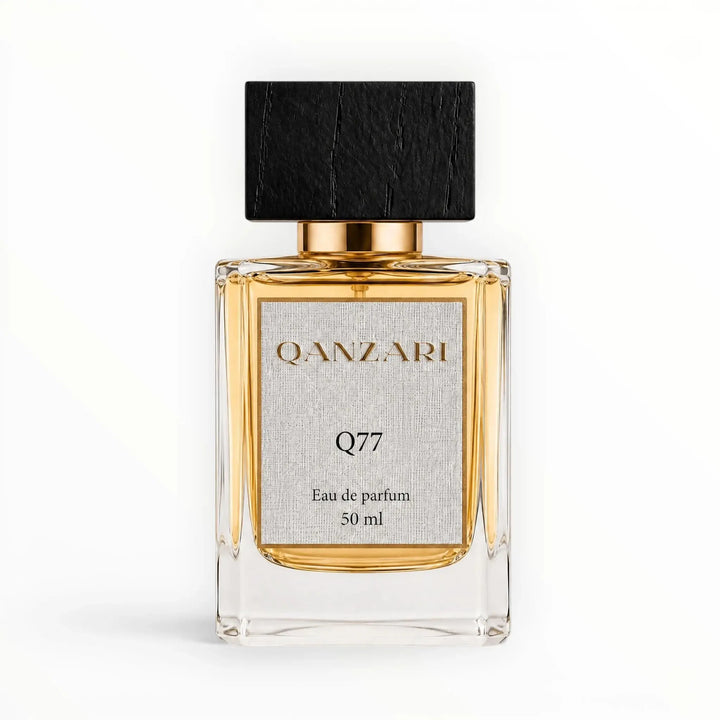
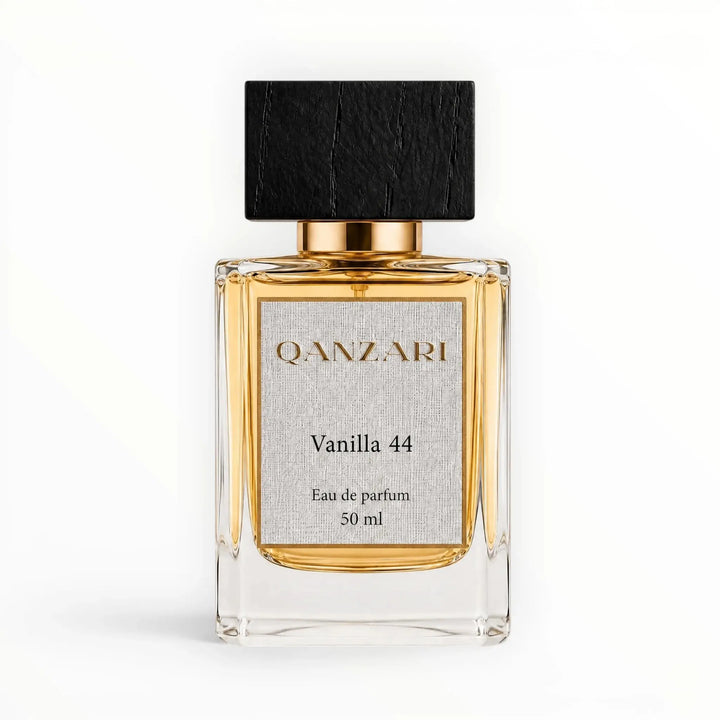
At Qanzari, this heritage is treated as more than an ingredient trend. Oud becomes part of a modern ritual: a fragrance shaped by Arabian craftsmanship, designed for a lasting impression, and made to carry beautifully in warm climates.
The choice between oud perfume and cologne is ultimately a choice of atmosphere. Wear the lighter expression when you want a fleeting spark of fresh woods. Reach for perfume when you want depth that lingers, a scent with the confidence to become part of your legacy.