August 03, 2026
Oil Perfume vs Spray Perfume: Which Lasts?
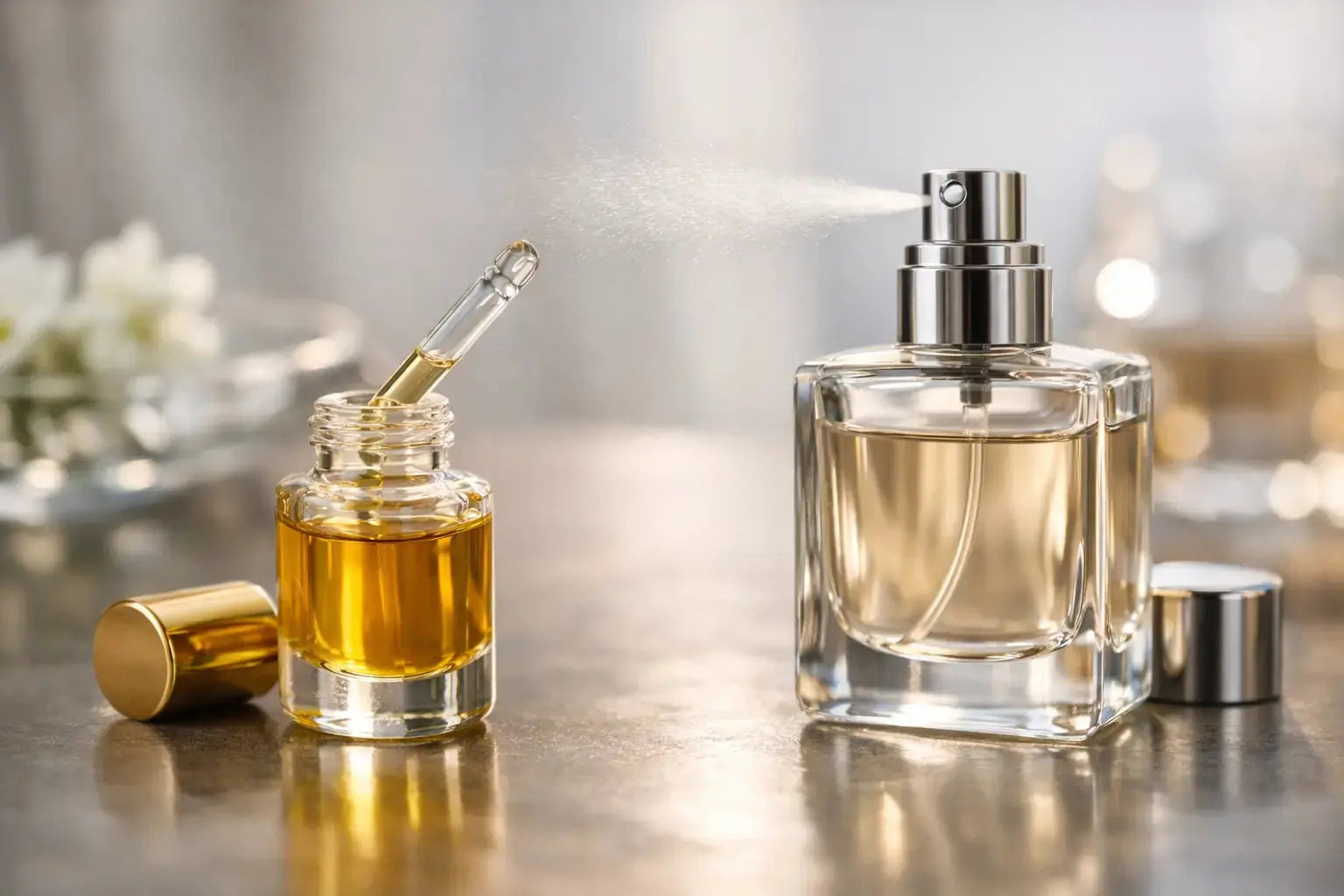
A fragrance should arrive before you speak, then remain close enough to be remembered. That is the real question behind oil perfume vs spray perfume: do you want a scent that wears like a private luxury, or one that creates an elegant trail through the room?
Both formats can feel opulent, sensual, and distinctly personal. Yet they perform differently on the skin, in the air, and through the heat of a long day. For lovers of oud, amber, musk, vanilla, and other richly layered notes, choosing the right format can shape the entire experience of a fragrance.
Oil Perfume vs Spray Perfume: The Essential Difference
Oil perfume is made with fragrance materials suspended in a carrier oil rather than a high level of alcohol. It is usually applied with a rollerball, dabber, or dropper directly to the skin. The scent develops gradually, warming with the body and staying close to the wearer.
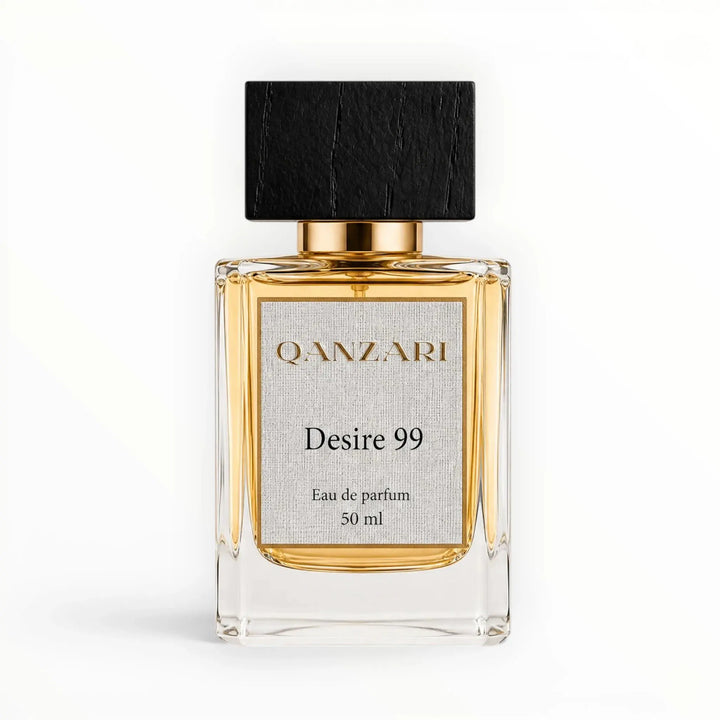
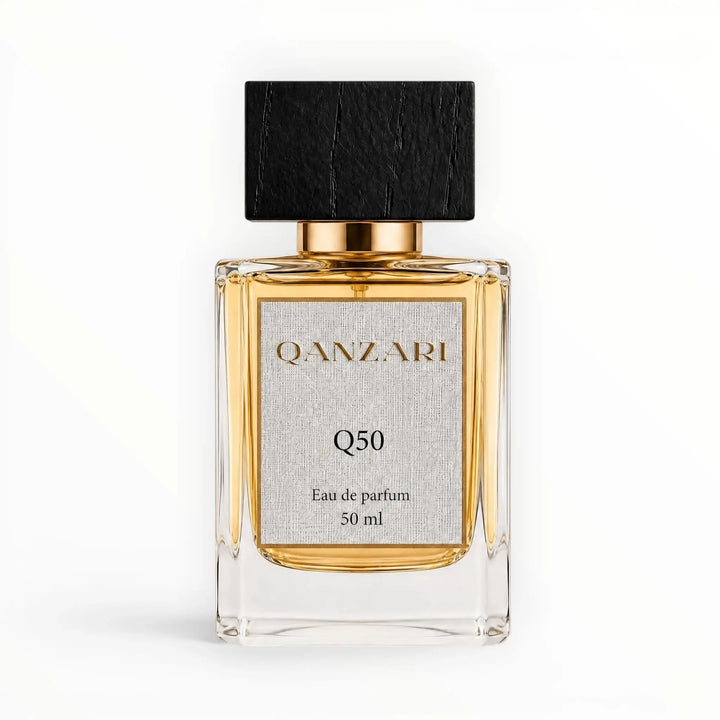
Spray perfume is typically alcohol-based. A fine mist spreads fragrance across a wider area of skin and creates a more immediate impression. Because alcohol evaporates quickly, the top notes often feel brighter and more expressive in the first minutes of wear.
Neither format is automatically more luxurious. The quality of the formula, the concentration of perfume oils, and the balance of its notes matter far more than the bottle alone. Still, each offers a different kind of presence.
Longevity: Which One Holds Its Ground?
Oil perfume is often praised for longevity, and for good reason. Its slower evaporation rate can help it remain on the skin for many hours, especially when built around naturally lasting materials such as oud, amber, sandalwood, musk, resins, and vanilla. Instead of announcing itself all at once, an oil fragrance tends to unfold with patience.
This makes perfume oil especially appealing for intimate settings, evening occasions, travel, and anyone who wants a scent to feel like a personal signature rather than a public statement. A warm amber or smoky oud oil can stay close to the pulse points well after a spray fragrance has softened.
Spray perfume can also last exceptionally well, particularly in eau de parfum and extrait concentrations. A finely made spray with a deep woody or amber base may remain noticeable from morning into evening. Its longevity depends on formula, skin chemistry, weather, and how generously it is applied.
The difference is not simply how long a fragrance survives. It is how it survives. Oil tends to wear in a smooth, skin-like way. Spray perfume is more likely to evolve in distinct stages, from a sparkling opening to a richer heart and lasting base.
Projection and Sillage: The Art of Being Noticed
Projection describes how far a fragrance travels from the body. Sillage is the scented trail left behind as you move. In these areas, spray perfume usually has the advantage.
An alcohol-based spray disperses quickly, creating a noticeable aura around the wearer. This makes it an excellent choice for formal events, dinners, celebrations, and moments when a fragrance should leave a confident first impression. Citrus, spice, rose, saffron, and fresh aromatic notes can feel especially vivid in spray form.
Oil perfume generally has softer projection. It is often discovered at closer range: a hand offered in greeting, a warm embrace, the quiet moment when someone leans nearer. That restraint can be deeply refined. Not every luxury needs to fill a room.
For offices, flights, close gatherings, or fragrance-sensitive spaces, an oil can offer sophistication without excess. For an evening where you want your entrance to carry a trace of amber, oud, or vanilla, a spray may be the more natural choice.
How Heat and Humidity Change the Experience
Warm weather is where a fragrance reveals its true character. Heat intensifies scent, which can be magnificent for a well-composed perfume and overwhelming for one applied too heavily.
Oil perfume handles dry skin and warm climates beautifully because it sits close to the body. The carrier oil can add a subtle moisturizing effect, helping fragrance materials adhere to the skin. In high heat, this controlled diffusion is often welcome. Dense notes such as oud, leather, musk, and amber feel polished rather than overpowering when applied with a measured hand.
Spray perfume reacts more dramatically to warmth. Its opening can bloom quickly, and its projection may become stronger outdoors or in humid conditions. This can be desirable when wearing lighter compositions, but richer oriental fragrances deserve a lighter application in summer. Two sprays may create more elegance than six.
For a desert-inspired profile, balance is everything. A perfume should carry warmth without becoming heavy, and leave a memorable impression without losing its composure.
Application Makes a Real Difference
With oil perfume, precision matters. Apply a small amount to pulse points such as the wrists, inner elbows, sides of the neck, or behind the ears. Do not rub the wrists together aggressively. Friction can disturb the way a fragrance develops and may cause the opening to fade too quickly.
Because oil is concentrated and intimate, begin with less than you think you need. You can always add another touch later. This is particularly true with potent notes like oud, saffron, dark musk, and resinous amber.
With spray perfume, hold the bottle a few inches from the skin and mist lightly over pulse points. One spray at the chest or neck and one at the wrist is often enough for a refined daytime presence. For evening, adding a spray at the back of the neck can create a graceful trail as you move.
Avoid treating fragrance as a cloud to walk through. Most of that precious composition lands on the floor, not the skin. A deliberate application delivers better performance and makes each bottle last longer.
Can You Apply Perfume to Clothing?
Spray perfume can be lightly misted onto fabric for added presence, but test a hidden area first. Oils, dark-colored fragrance materials, and high concentrations can stain delicate fabrics such as silk, linen, or light-colored garments.
Oil perfume is best kept on skin unless the formula specifically indicates otherwise. Its richness is part of its beauty, but it may leave a mark on clothing. For fragrance lovers who wear crisp white shirts, tailored jackets, or fine evening fabrics, skin application is the safer ritual.
Choosing the Format for Your Style
Choose oil perfume when you want a closer, slower, more personal experience. It suits those who appreciate depth over volume and prefer a fragrance that feels almost woven into the skin. It also makes a thoughtful companion for layering, allowing you to deepen a favorite spray fragrance with a touch of musk, vanilla, amber, or oud underneath.
Choose spray perfume when you want immediate brightness, stronger projection, and a more noticeable scented trail. It is ideal for making an entrance, refreshing your scent before an occasion, or enjoying the full architecture of a composition from top note to dry down.
Many fragrance wardrobes have room for both. An oil can become your private ritual for evenings, travel, or close encounters, while a spray becomes your polished finishing touch before work, dinner, or celebration. There is no rule that says a signature scent must live in only one format.
A Note on Layering Oil and Spray Perfume
Layering can create a fragrance that feels entirely your own, but it should be done with restraint. Start with a small amount of oil on the pulse points, then apply one or two sprays of a complementary perfume. Warm notes tend to pair well: vanilla with amber, clean musk with rose, or a smooth oud oil beneath a woody-spiced spray.
The goal is harmony, not competition. If both fragrances are powerful, choose one note family to lead and let the other create depth beneath it. A well-layered scent should feel intentional, like fine tailoring, not crowded.
At Qanzari, the spirit of Arabian perfumery lives in this appreciation for depth, patience, and unforgettable materials. Whether your fragrance is carried in oil or misted from a spray, wear it with the confidence of someone who understands that luxury is felt most clearly in the details.
The finest choice is the one that fits the moment: close to the skin when mystery matters, carried on the air when presence matters, and always applied with enough restraint to let the scent speak for itself.