August 31, 2026
How to Select Amber Notes for Your Signature Scent
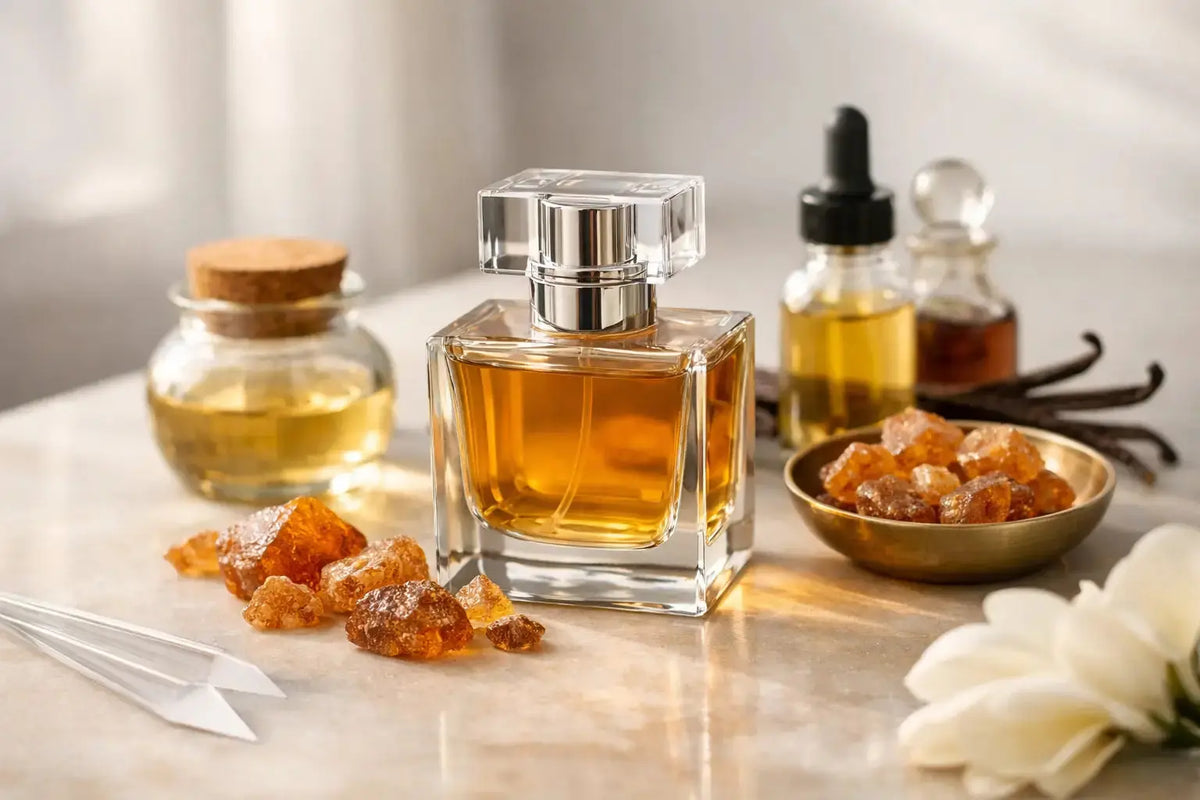
A fine amber fragrance should feel like warmth settling onto the skin: luminous at first, then deeper, smoother, and more intimate as the hours pass. Knowing how to select amber notes is less about choosing the sweetest bottle on a shelf and more about finding the character of amber that reflects your presence - polished, mysterious, commanding, or quietly sensual.
Amber is one of perfumery’s most expressive families. In Arabian fragrance traditions, it carries the richness of resins, spice, woods, incense, musk, and vanilla. Yet amber is never one fixed ingredient or one single smell. It is an accord, built from several materials to create a golden impression of warmth. That means one amber can glow like vanilla on sun-warmed skin, while another can feel dark, smoky, and ceremonial.
How to Select Amber Notes That Feel Like You
Begin with the impression you want to leave behind. Do you want a fragrance that enters a room with confidence, or one that is discovered only when someone comes closer? Amber can do both beautifully, but the supporting notes decide its direction.
For an elegant daily signature, look for amber softened with vanilla, tonka bean, clean musk, or creamy sandalwood. These notes round out resinous depth and give the fragrance an inviting, refined finish. The effect is luxurious without becoming overpowering, especially for office hours, dinners, and close settings.
If your style is more dramatic, seek amber paired with oud, incense, saffron, leather, patchouli, or dark woods. This style has greater shadow and projection. It feels composed after sunset, at formal occasions, and whenever the goal is a memorable trail rather than a fleeting first impression.
The right choice depends on whether you want warmth to lead the composition or support it. An amber-forward fragrance places resin, balsam, spice, and sweetness at the center. A woody oud fragrance with amber in the base will feel drier, darker, and more structured. Neither is inherently better. The distinction is about the mood you wish to wear.
Know the Main Faces of Amber
Before selecting a fragrance, learn to recognize the four amber personalities most likely to shape your experience.
Sweet amber
Sweet amber often uses vanilla, benzoin, tonka, or labdanum to create a smooth, almost edible warmth. It can recall golden caramel, soft spice, and warm fabric, without necessarily becoming a gourmand scent. Choose this direction if you enjoy a scent that feels generous, inviting, and effortlessly sensual.
The trade-off is that sweetness can become heavy in warm weather when overapplied. A well-balanced sweet amber should retain air around it through woods, citrus, spice, or musk. On hot days, two considered sprays often create more elegance than an overly generous application.
Resinous amber
Resinous amber is rich, balsamic, and closer to traditional incense rituals. Think labdanum, myrrh, benzoin, frankincense, and warm balsams. It has depth without relying entirely on sugar, making it a compelling choice for those who want heritage, mystery, and a more mature expression of luxury.
This is often the amber style that feels most at home beside oud. It can be intense in the opening, but patience is rewarded. Give it time on skin before deciding. Its finest qualities often emerge in the dry-down, where smoke, wood, and ambered warmth become beautifully fused.
Spiced amber
Cinnamon, cardamom, clove, saffron, pepper, and nutmeg can add movement to amber’s richness. Spiced amber feels confident and tailored. It suits someone who enjoys a polished fragrance with a little edge, particularly for evenings, celebrations, and cooler air-conditioned spaces.
Check whether the spice feels bright or sharp on your skin. Cardamom and saffron tend to create a smoother, more refined lift, while clove and cinnamon may feel bolder and more assertive. Your preference may change depending on the season and occasion.
Woody amber
When amber meets cedar, sandalwood, vetiver, patchouli, or oud, it becomes more architectural. The sweetness is restrained, and the fragrance gains structure, sophistication, and longevity. This is an excellent route for anyone who appreciates an amber scent but does not want it to feel overtly sweet.
Woody amber also wears exceptionally well in hot climates. The dry wood elements give the composition discipline, while amber preserves its warm, lasting heart. It is a signature style that feels equally appropriate with a crisp white shirt, formal tailoring, or evening attire.
Let Your Skin Make the Final Decision
A blotter strip can reveal a fragrance’s broad direction, but it cannot tell you how amber will live on your skin. Skin warmth, moisture, and natural oils influence how quickly a fragrance opens, how far it projects, and whether vanilla, woods, or resins become most prominent.
Test amber fragrance directly on clean skin, ideally on the wrist or inner elbow. Do not judge it in the first five minutes. The opening may feature citrus, saffron, or spice, but amber usually reveals its true character after 30 minutes. Return to it after two hours, then again later in the day. This is where you discover whether the fragrance becomes creamy, smoky, powdery, dry, or too sweet for your taste.
If you are choosing online, use the note structure as your guide. Amber with oud, woods, and musk usually signals depth and presence. Amber with vanilla and floral notes tends toward softness and radiance. Amber with citrus or aromatic spices may offer a fresher opening, making it easier to wear during daytime heat.
Match Amber to Climate and Occasion
Amber has a reputation for being a cold-weather scent, but that is only half the story. In the UAE and other warm climates, amber is part of the fragrance wardrobe year-round. The key is composition and application.
For daytime warmth, choose a cleaner amber supported by citrus, cardamom, airy musk, sandalwood, or a measured touch of vanilla. Apply lightly to pulse points and allow the fragrance to become part of your skin rather than an announcement before the day has begun.
For night, amber can take its full form. Oud, smoke, saffron, leather, incense, and deeper vanilla create a richer scent trail for dinners, weddings, formal events, and moments that call for presence. Cooler evenings and air-conditioned venues let these materials unfold with exceptional beauty.
There is also a personal threshold to consider. If you are new to Arabian perfumery, start with a balanced amber rather than the darkest oud-amber composition. A versatile scent builds confidence because you will reach for it often. Once your palate develops, you may find yourself drawn to more resinous and powerful blends.
Look Beyond the Opening Spray
Lasting power is one of amber’s great pleasures, but longevity should never be the only reason to choose it. A fragrance can last for ten hours and still feel wrong if its dry-down becomes overly sweet, dusty, or dense for your style.
Instead, ask three simple questions while testing: Do I still enjoy this after several hours? Does it suit the way I dress and move through the day? Would I want someone close to me to remember this scent? Those answers reveal far more than a list of notes ever can.
Quality also shows in transitions. In a well-crafted amber fragrance, the opening, heart, and base do not feel disconnected. Spice should melt into resins, woods should support the warmth, and the final musk should feel like a soft echo rather than a separate perfume. This measured evolution is what gives amber its sense of legacy.
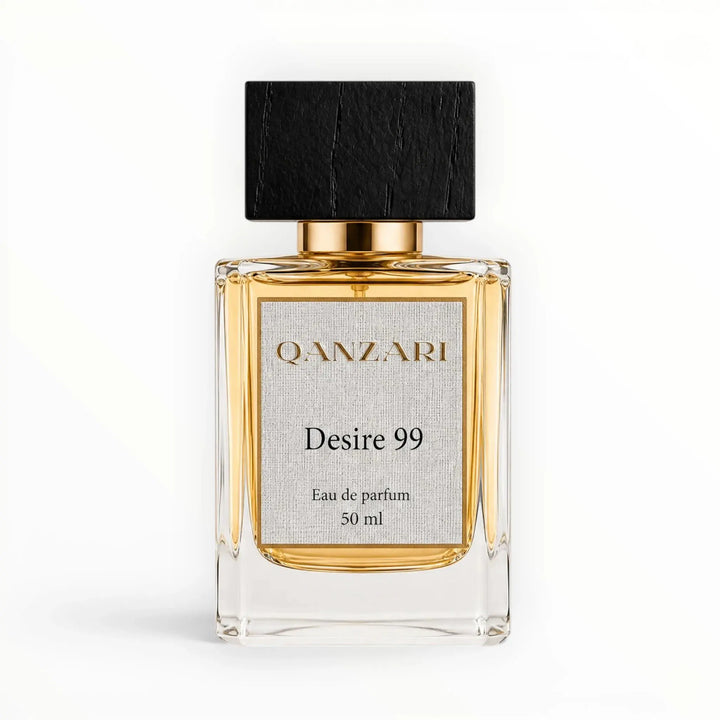
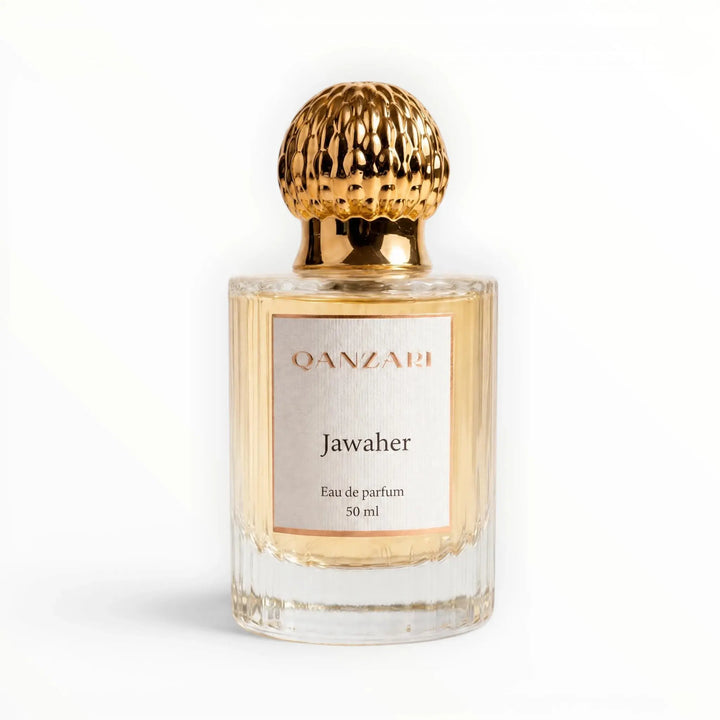
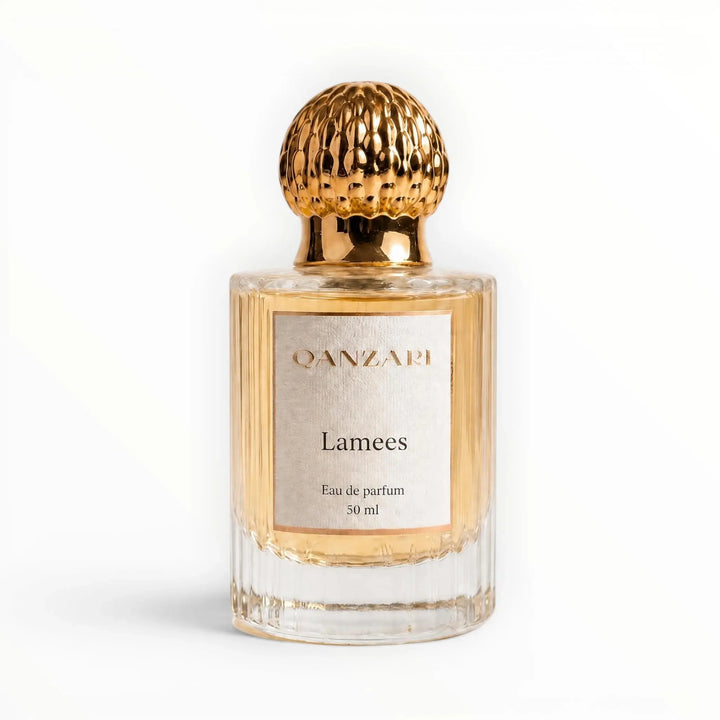
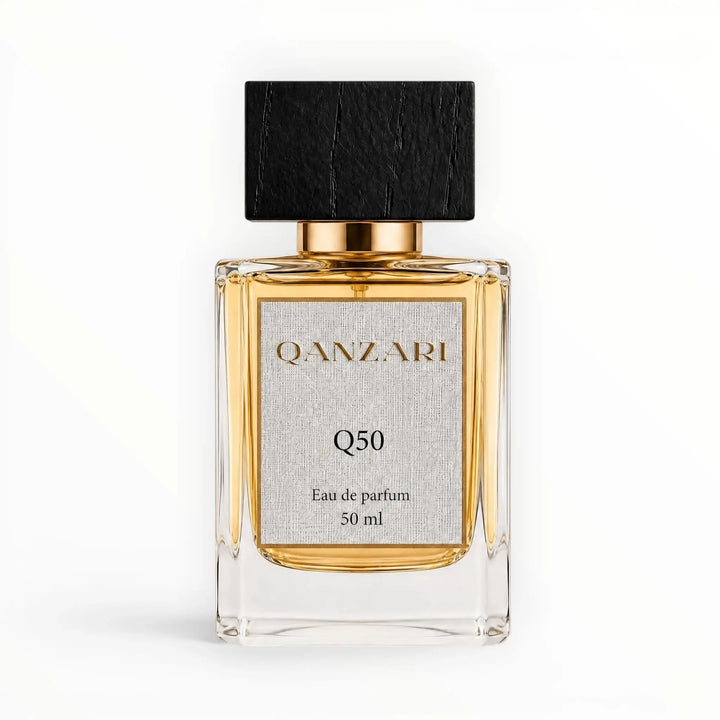
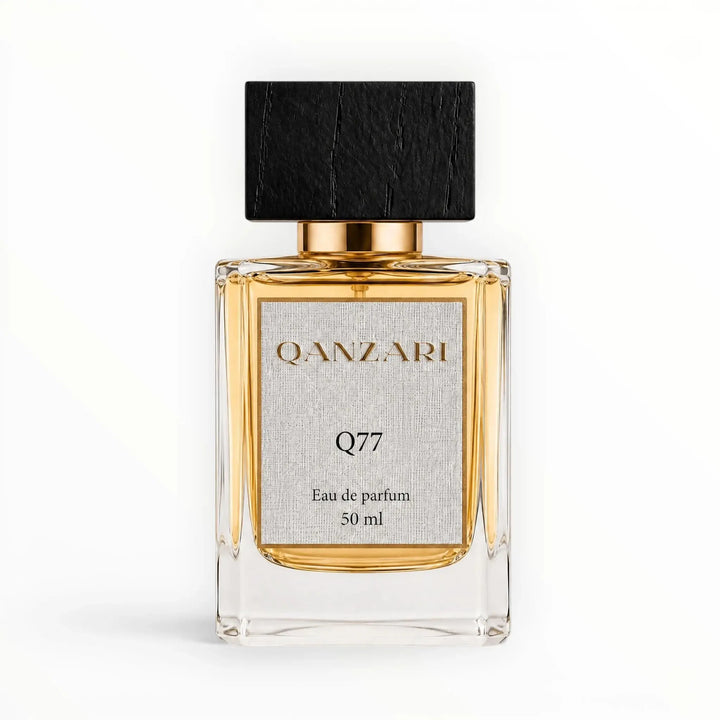
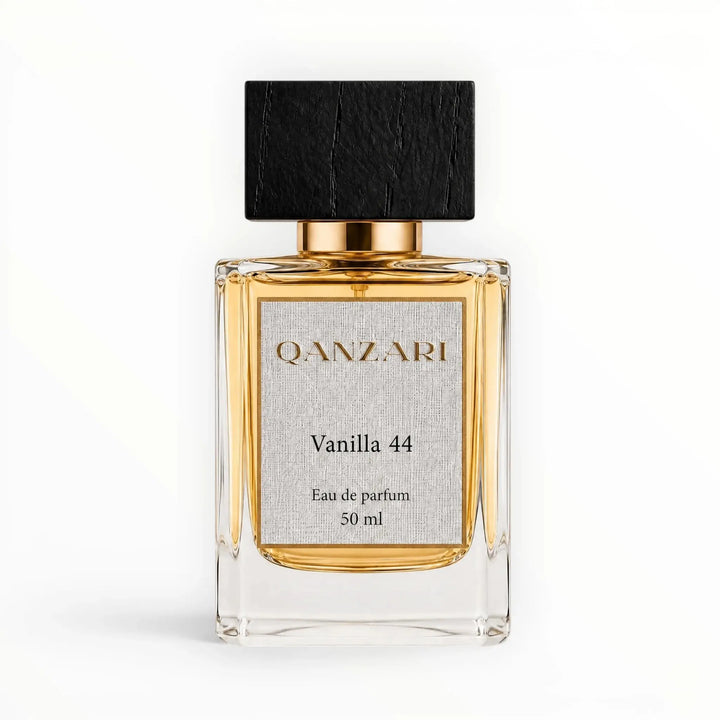
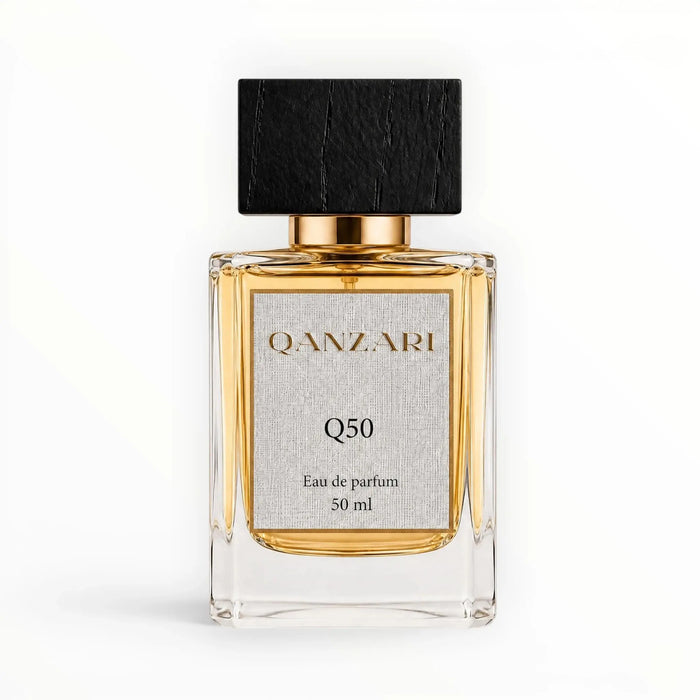
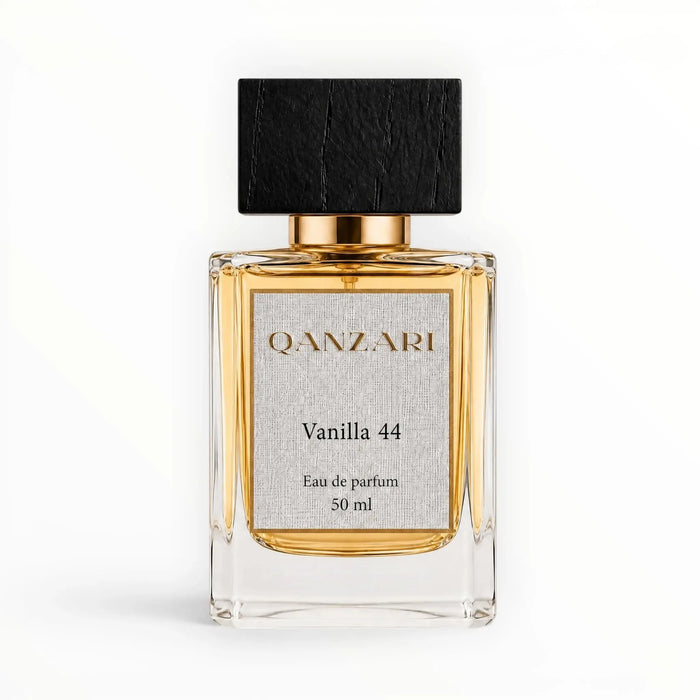
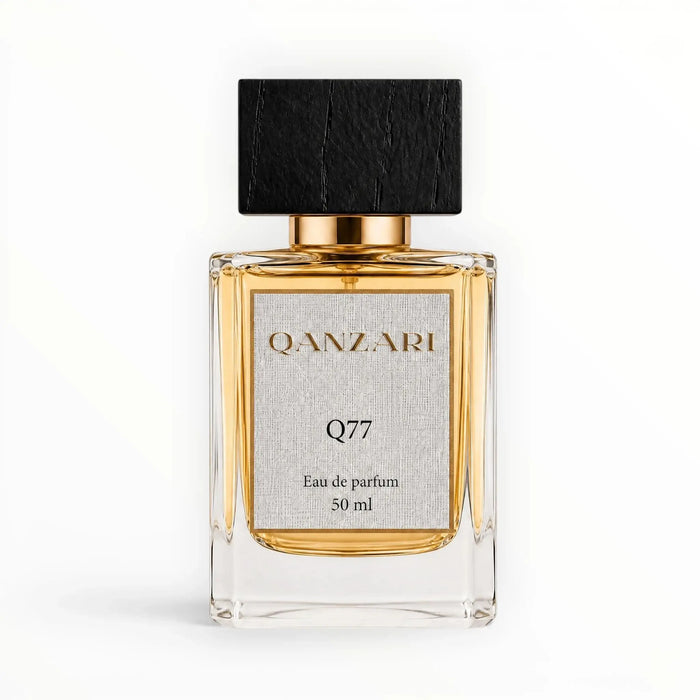
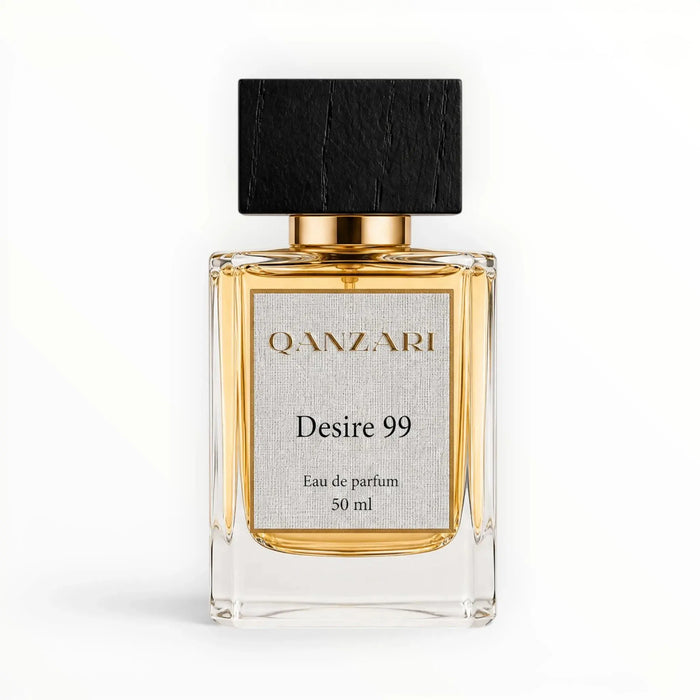
At Qanzari, amber is approached as an essential part of Arabian luxury: warm enough to feel intimate, deep enough to be remembered, and composed to hold its character through the day.
Choose amber with intention, then give it the space to speak on your skin. The most compelling scent is not always the loudest one. It is the one that feels like it has always belonged to you.