July 22, 2026
How Signature Scent Psychology Shapes Presence

A fragrance enters the room before a conversation begins, then remains in memory long after the moment has passed. That is the quiet power behind signature scent psychology: the way a familiar fragrance becomes connected to your presence, your confidence, and the impression people carry with them.
For those who value distinction, a signature scent is not simply a pleasant aroma. It is a personal marker. The right blend of oud, amber, musk, or vanilla can feel as considered as a tailored jacket or a well-chosen watch - refined, recognizable, and unmistakably yours.
What Signature Scent Psychology Really Means
Scent is closely tied to memory because the brain processes fragrance near areas involved in emotion and recollection. A song may bring back a season, but a fragrance can return someone to a specific room, a particular evening, or the person who wore it. This is why a scent worn consistently gains meaning over time.
Signature scent psychology is not about finding one perfume that every person around you approves of. It is about creating familiarity. When people encounter the same scent family on you again and again, they begin to associate its character with your identity. Warm amber may suggest calm assurance. Smoky oud can communicate depth and authority. Soft musk often feels intimate and composed. Vanilla, when balanced with woods or spice, can bring warmth without losing sophistication.
The effect is subtle, but it is powerful. You are not telling people who you are with fragrance. You are giving your presence a sensory signature that supports the message already conveyed by your style, voice, and manner.
Why Familiarity Creates a Stronger Impression
Novelty attracts attention, but familiarity creates recognition. A different fragrance every day can be enjoyable, especially for collectors, yet it may prevent any one scent from becoming part of your personal image. Repetition is what turns perfume into an association.
Think of the people whose presence feels immediately recognizable. Their scent may not be loud. In many cases, it is not. It is simply consistent. The fragrance has become part of the atmosphere around them, appearing in close conversations, at important meetings, during celebrations, and in ordinary moments that later become meaningful.
This is also why a signature scent should feel natural rather than performative. If you choose a fragrance only because it is dramatic or highly praised, you may tire of it before it has the chance to become yours. A signature fragrance needs enough character to be memorable, but enough comfort to be worn repeatedly.
The Emotional Language of Arabian Fragrance
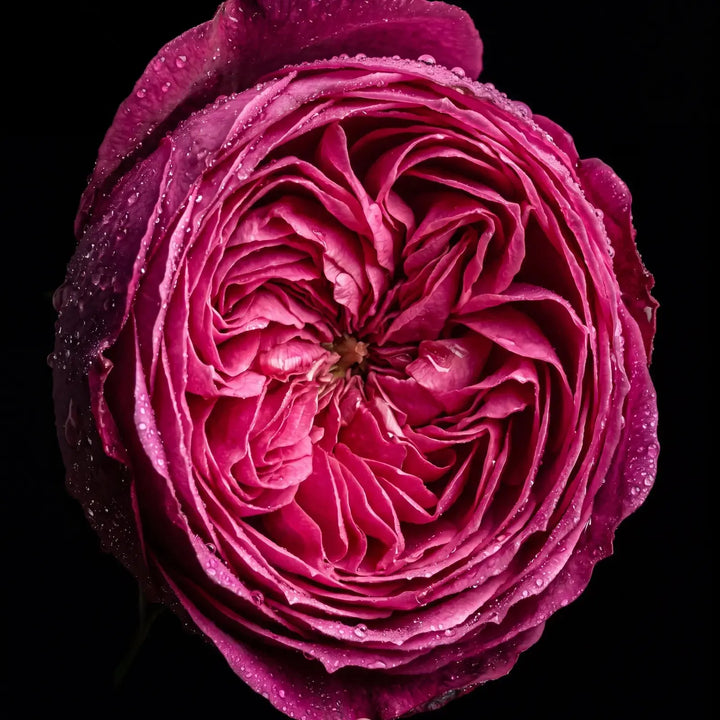
Arabian perfumery is especially suited to the idea of a signature scent because its most treasured materials carry presence and longevity. Oud, amber, resins, musk, saffron, rose, sandalwood, and vanilla do not disappear into the background quickly. They develop across the skin, revealing different facets as the day unfolds.
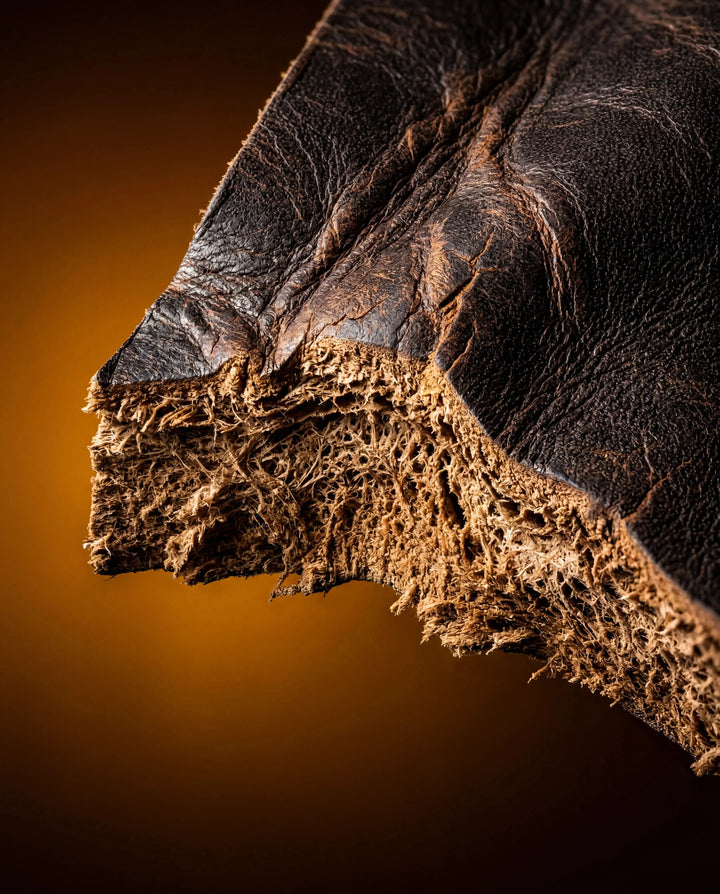
Oud often appeals to those who want gravity and distinction. Depending on its composition, it can feel woody, leathery, smoky, sweet, or softly animalic. A polished oud fragrance does not need to overwhelm a room to make an impression. It can sit close to the skin with an air of mystery, like a treasured object kept just out of sight.
Amber brings golden warmth and sensuality. It often suits evening wear, formal occasions, and cooler settings, though a well-balanced amber can work beautifully in air-conditioned spaces and after sunset in warm climates. Musk creates a cleaner, more intimate trail. It is often the note that makes a richer composition feel wearable and personal rather than distant.
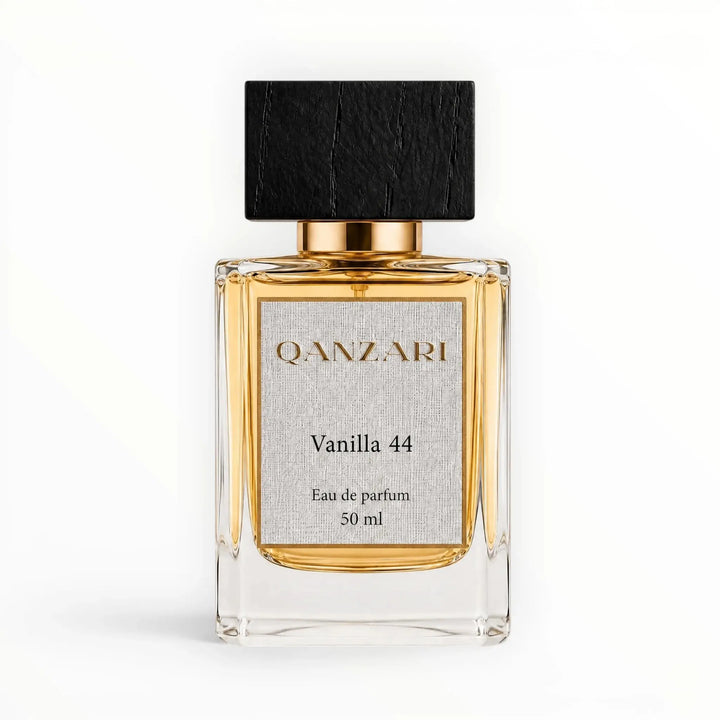
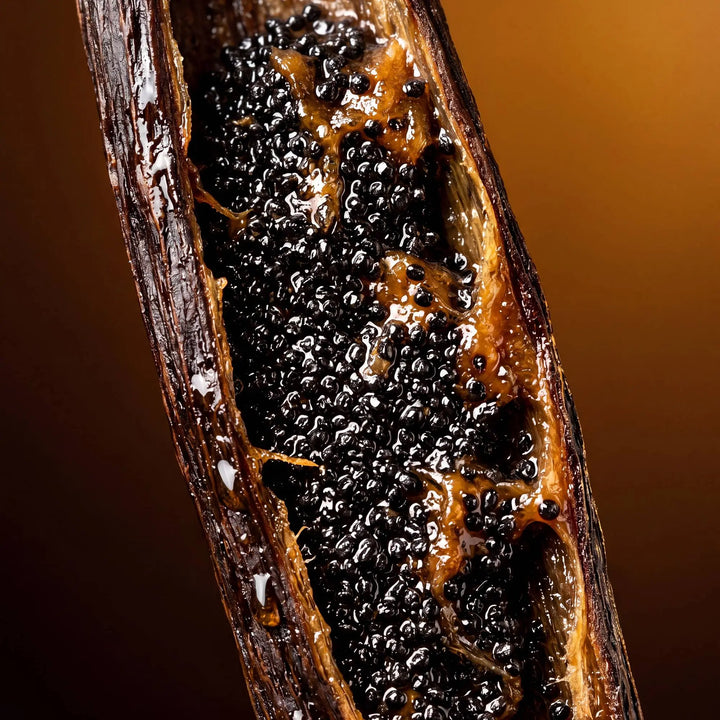
Vanilla deserves more consideration than its sweet reputation suggests. In a luxury composition, vanilla can add smoothness, depth, and comfort. Paired with oud or amber, it becomes less like dessert and more like polished warmth - inviting, confident, and quietly addictive.
How to Choose a Fragrance That Feels Like You
The best signature scent is not chosen from a note list alone. Notes describe ingredients, but they do not fully explain the experience of wearing a fragrance. The same oud can feel commanding on one person and unexpectedly soft on another. Skin chemistry, climate, wardrobe, and application all shape the final result.
Start with the impression you want to leave. If your style is crisp, understated, and polished, consider a fragrance where musk, clean woods, or gentle amber lead the composition. If you prefer a more commanding presence, oud with spice, leather, incense, or saffron may feel more aligned. For a sensual, versatile profile, amber and vanilla supported by woods can create warmth without sacrificing elegance.
Then consider when you will wear it. A fragrance intended for daily office wear benefits from controlled projection and a smooth dry-down. A scent for evening gatherings can carry more richness, spice, and depth. In hot or humid weather, the same formula may project more strongly than it does in cool air. This is one reason concentrated Arabian-inspired fragrances should be applied with intention, not excess.
A practical test is to wear a fragrance through a complete day. Notice the opening, but do not make your decision there. The first minutes are the introduction. The dry-down is the relationship. Ask yourself how it feels after several hours, whether it stays elegant in heat, and whether you still want to smell it on your skin after the initial excitement has passed.
Signature Scent Psychology Is Also About Confidence
Fragrance cannot replace confidence, but it can reinforce it. A familiar scent creates a small ritual before you leave home: a moment of preparation that signals readiness. That emotional cue matters. When you know your fragrance suits you, you stop wondering how you are coming across and can focus on the room, the occasion, and the people in front of you.
There is a trade-off, of course. A powerful fragrance can make a statement, but too much projection can feel intrusive in close settings. Luxury is often felt most strongly in restraint. Two or three intentional sprays can create a personal trail, especially when applied to pulse points or lightly over clothing. More is not always more memorable.
It also helps to separate a signature scent from a single rigid formula. You may have a central scent identity rather than one bottle for every occasion. For example, someone drawn to warm woods and amber may choose a lighter musky version for daytime and a deeper oud version for evenings. The shared character still creates consistency, while the variation respects the setting.
Let Your Fragrance Become Part of Your Legacy
The most memorable fragrances are rarely the ones chosen to impress everyone. They are the ones that feel true to the wearer and are worn with ease. Over time, the scent absorbs the texture of a life: a milestone dinner, a successful meeting, a family celebration, a late-night drive through warm desert air.
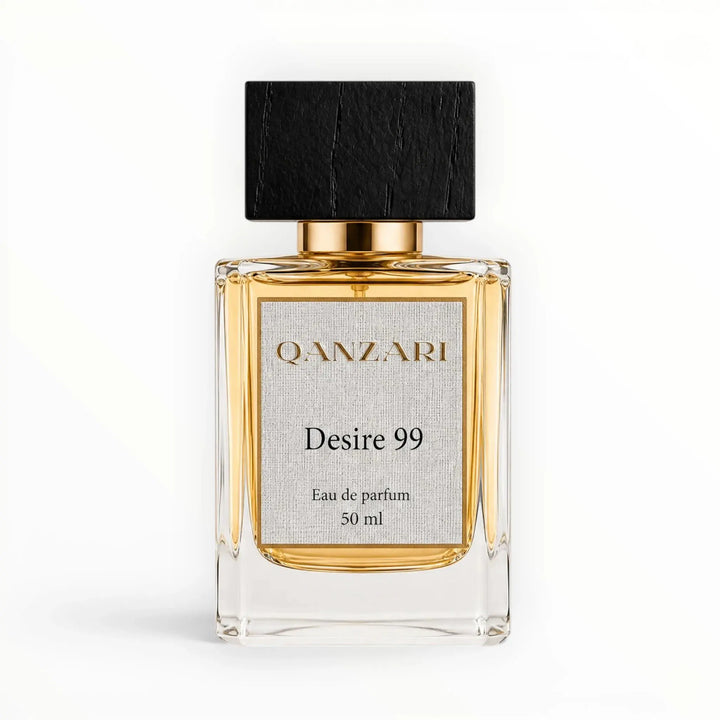
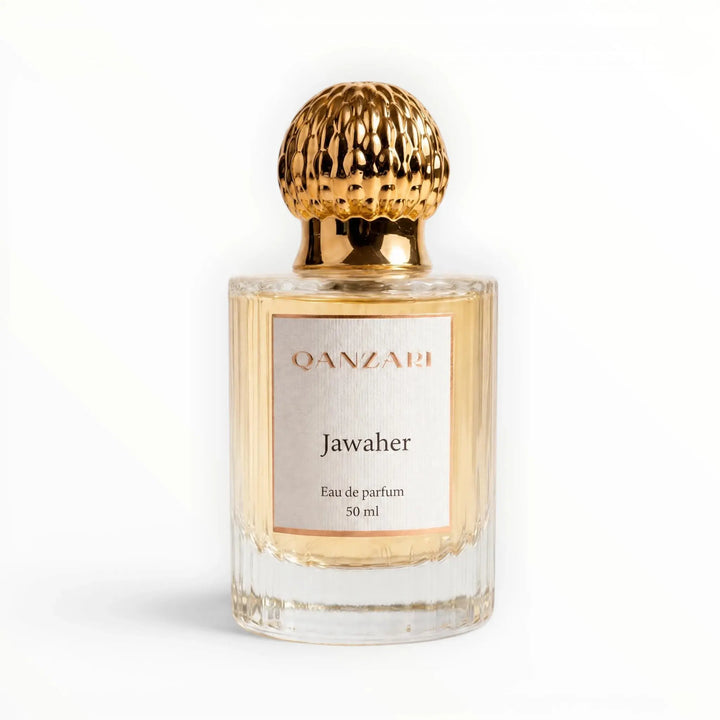
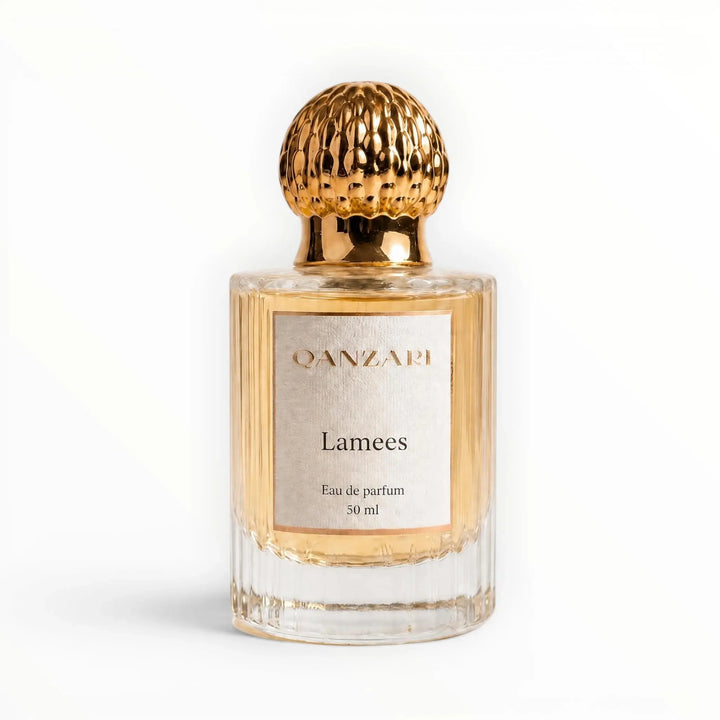
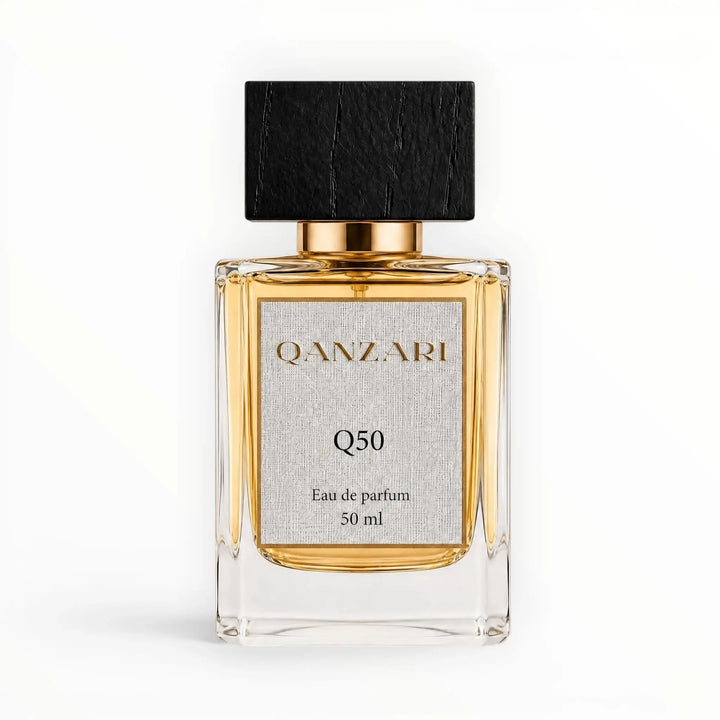
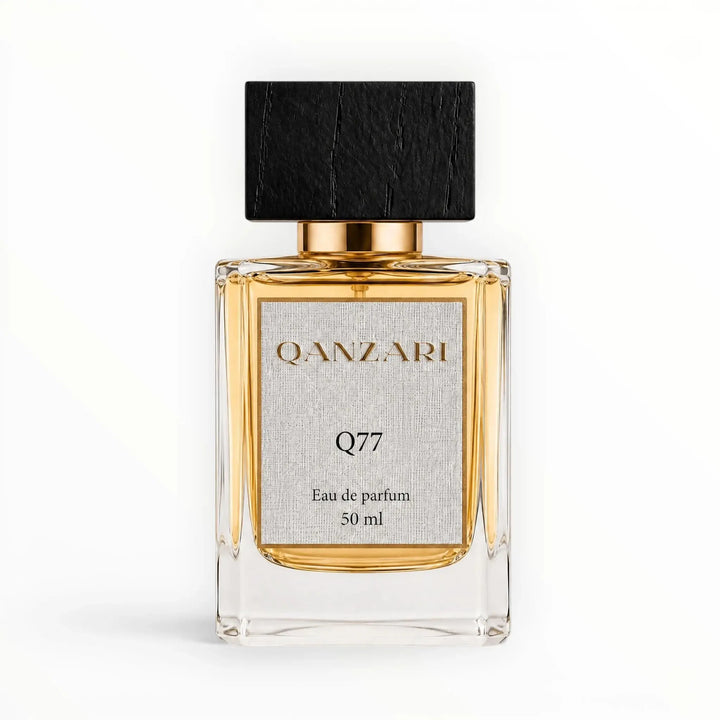
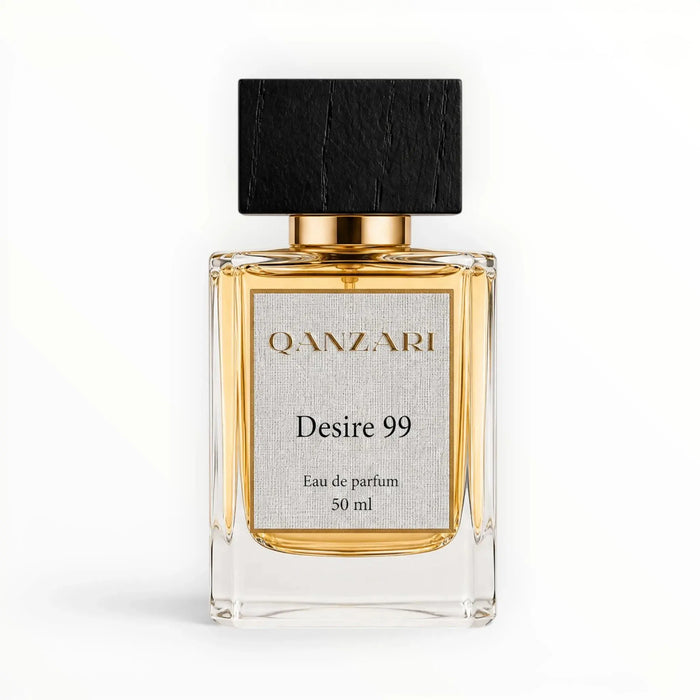
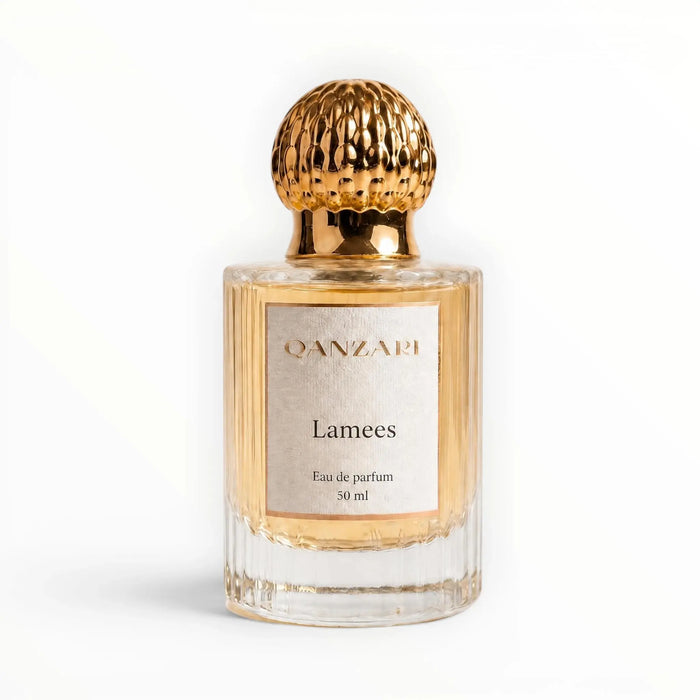
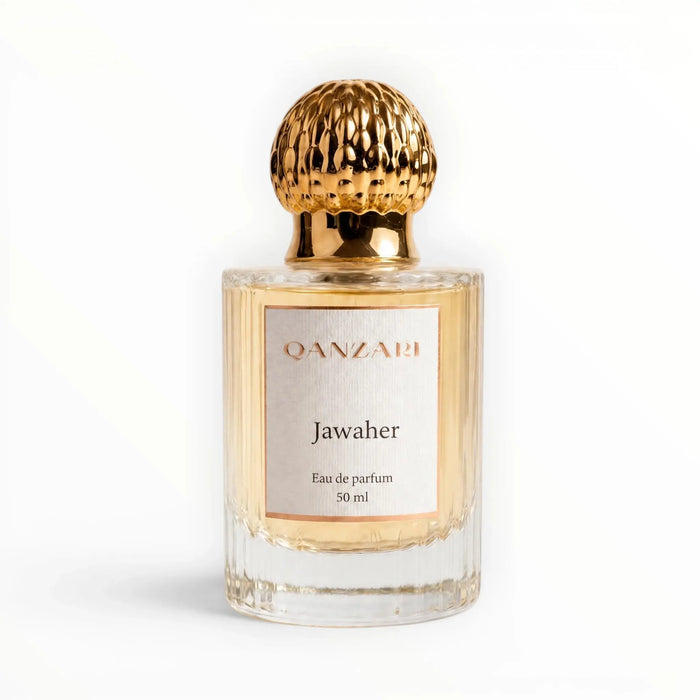
Qanzari approaches fragrance with this sense of lasting identity in mind, pairing Arabian heritage with modern refinement and compositions designed to hold their presence beautifully. The aim is not a passing trend, but a scent that feels worthy of returning to.
Choose a fragrance with depth, wear it often enough for it to become familiar, and give it room to settle into your story. One day, someone may catch a trace of it in the air and think of you before they know why.