September 14, 2026
How to Recognize Authentic Perfume Before You Buy
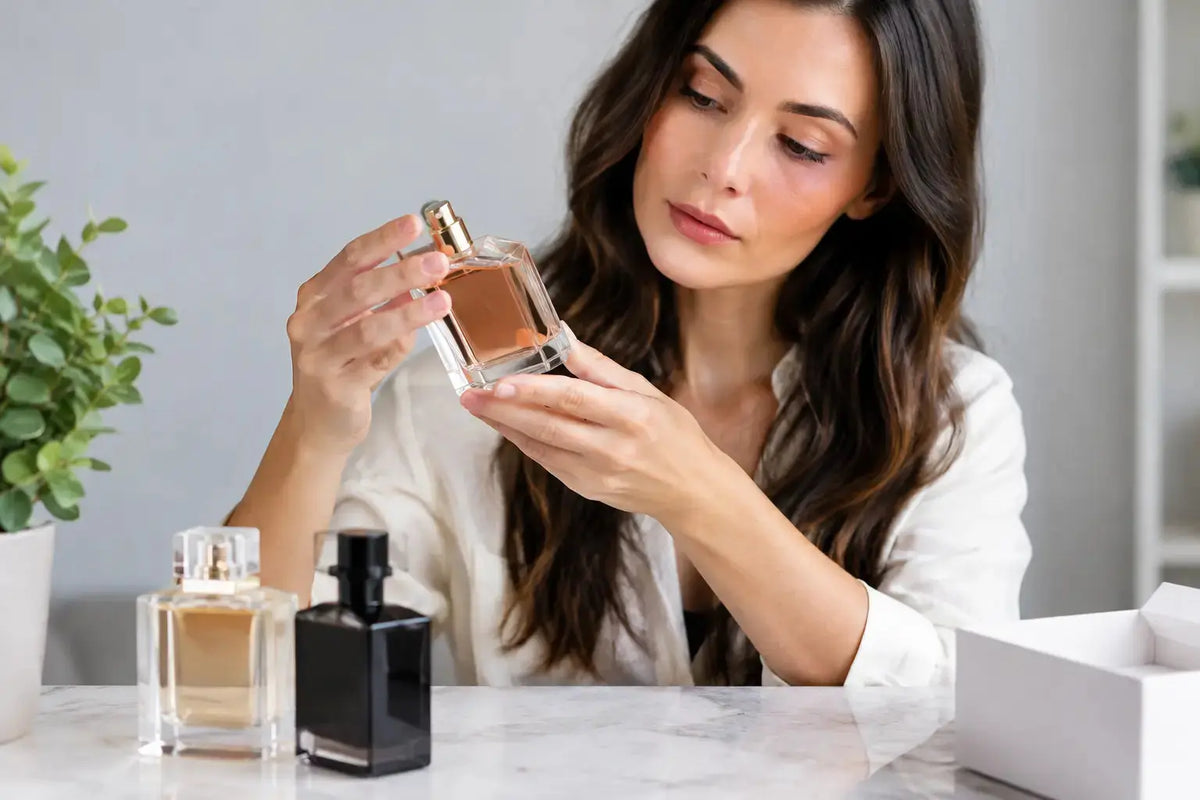
A perfume bottle can look convincing under boutique lights or in a polished online listing. Yet true luxury reveals itself in the details: the weight of the glass, the precision of the label, the evolution of the scent on warm skin. Knowing how to recognize authentic perfume protects more than your purchase. It protects the experience, craftsmanship, and lasting impression you expect from a fine fragrance.
Counterfeit fragrance is not always obvious. Some imitations borrow familiar colors, logos, and bottle silhouettes with surprising accuracy. The wiser approach is not to rely on one sign alone, but to assess the full presentation: where it came from, how it is made, how it performs, and whether every detail feels consistent with the house behind it.
How to Recognize Authentic Perfume From Its Source
The most reliable authenticity check happens before the package reaches your hands. Buy directly from the fragrance house, an authorized retailer, or a well-established luxury store that can clearly identify its supply chain. A price that seems impossibly low can be tempting, but premium fragrance contains costly materials, careful blending, compliant packaging, and controlled storage. Deep discounts without a clear reason deserve caution.
Online marketplaces require more scrutiny. Look beyond a product image and read who is actually selling and shipping the bottle. A seller with vague descriptions, stock photographs only, inconsistent reviews, or no clear return policy may not offer the reassurance a luxury purchase deserves. Authentic sellers usually provide straightforward business details, secure payment options, and customer support that answers specific questions.
This does not mean every discounted bottle is fake. Seasonal promotions, older packaging, gift-set clearances, and verified outlet channels can all be legitimate. It means the seller must be as credible as the price is attractive. If the story behind the offer is unclear, treat it as a reason to pause.
Study the Box Before the Bottle
An authentic perfume box is usually finished with purpose. The printing should appear crisp, the colors balanced, and the text free from blurred edges, misspellings, uneven spacing, or awkward grammar. Luxury houses pay close attention to typography and placement. A label that is crooked or a logo that looks slightly distorted may point to a counterfeit, especially when paired with other concerns.
Examine the cellophane as well. It should be neatly folded and sealed, not loose, excessively wrinkled, or held together with obvious glue marks. Still, packaging is not a final verdict. Brands occasionally update boxes, use region-specific labeling, or change materials over time. One unfamiliar design element is worth verifying, not automatically condemning.
The bottom of the box often carries useful information: ingredient details, volume, country of origin, distributor information, safety symbols, and a batch or lot code. The code should look professionally printed or embossed rather than like a cheap sticker added afterward. On many fragrances, the batch code on the box matches the code on the bottle. A mismatch is a serious warning sign.
Look for Precision in the Bottle and Atomizer
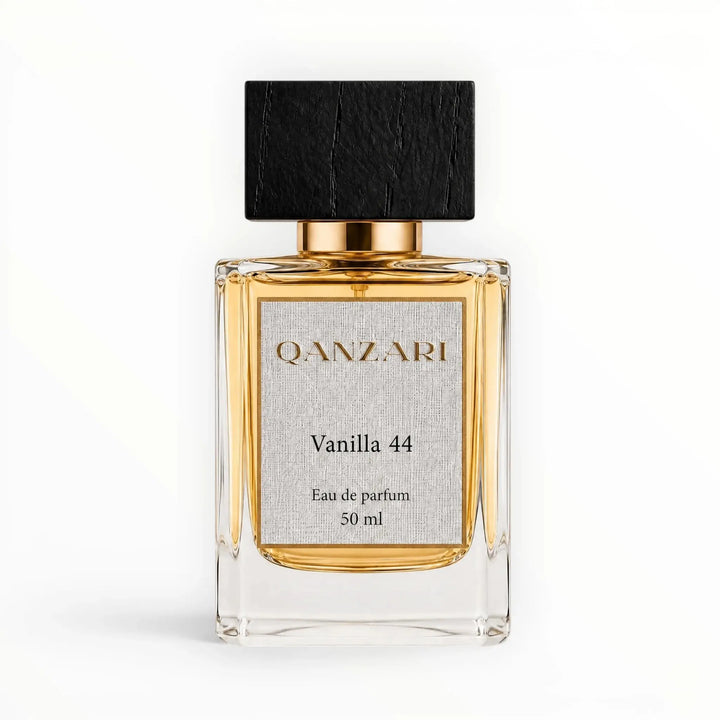
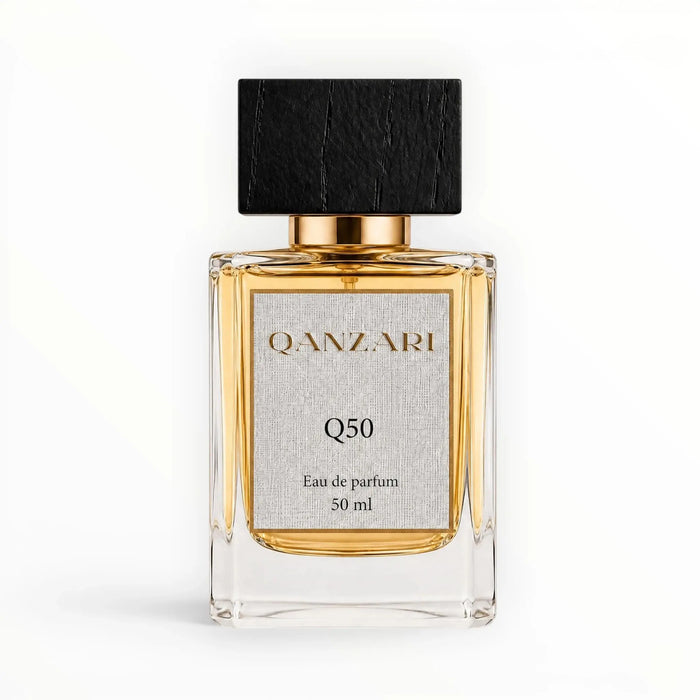
A genuine perfume bottle should feel deliberate in the hand. The glass is commonly smooth and substantial, with clean seams and an even base. The cap should sit securely and align naturally with the bottle. Fine fragrance is a visual object as much as a scented one, so small flaws matter: bubbling in the glass, rough plastic, uneven paint, loose decorative elements, or a cap that wobbles can reveal careless production.
Then inspect the atomizer. A quality sprayer gives a soft, even mist, not a narrow stream or a sputter. The collar around the neck should be neat, and the tube inside the bottle should be discreet and appropriately fitted. A very long, bent, or visibly oversized tube can be suspicious, though bottle designs vary and should not be judged in isolation.
Pay attention to the fill level without expecting it to reach the very top. Perfume bottles intentionally include a small amount of air space to accommodate the sprayer and changes in temperature. A bottle that seems slightly underfilled is not necessarily counterfeit. Leakage, stained packaging, or an unusually large empty gap are more meaningful concerns.
Let the Fragrance Tell Its Story
The scent itself is essential, but it should be assessed with patience. Fine perfume is composed in stages. The opening may be bright with citrus, spice, or aromatic notes, then soften into a floral, woody, amber, or musky heart before settling into a deeper base. A fragrance built around oud, vanilla, amber, or musk often becomes more compelling as it warms on the skin, revealing its character gradually rather than all at once.
Counterfeit perfumes may smell sharp, overly alcoholic, flat, or strangely sweet from the first spray. They can also disappear quickly or shift into an unpleasant synthetic note after a few minutes. But longevity alone does not prove authenticity. Skin chemistry, weather, humidity, application, and fragrance concentration all influence wear time. A fresh eau de toilette may naturally wear closer to the skin than an extrait, while a rich Arabian-inspired composition may bloom more generously in heat.
Instead, look for balance and development. Authentic perfume tends to feel composed. The notes do not need to be loud, but they should have dimension, clarity, and a recognizable dry-down. If you know the fragrance, compare it with a tester from an authorized source rather than relying on a first impression from memory.
Check Batch Codes, but Use Them Wisely
Batch codes can provide helpful context, particularly when the code appears both on the box and bottle. Some shoppers use online code-checking tools to estimate a production date. These tools may be useful, but they are not official authentication services and can be incomplete or inaccurate. A code that produces no result does not automatically mean the perfume is fake.
What matters more is consistency. Does the code match? Does it look integrated into the packaging rather than added later? Is the bottle design appropriate for the stated production period? If a seller claims a new release but offers packaging discontinued years ago, ask for clarification.
Be aware of reformulations, too. Fragrance houses may adjust formulas because of ingredient availability, regulatory changes, or a creative decision. An authentic newer bottle can smell somewhat different from an older one. That difference calls for research and comparison, not an immediate assumption of fraud.
Be Careful With “Tester,” “Unboxed,” and “Duty-Free” Claims
Not every legitimate bottle arrives in a full retail box. Testers may come in plain packaging or without a decorative cap, while unboxed stock may result from a display, gift set separation, or damaged outer packaging. These options can be genuine, but they offer fewer visual signals for checking authenticity and should come only from a seller you trust.
The same principle applies to duty-free claims and so-called factory leftovers. Luxury fragrance production is tightly managed. Vague language about surplus inventory can be used to make an unauthorized product sound credible. Ask clear questions about origin, condition, and returns. A seller who avoids direct answers is giving you useful information.
Trust Your Senses, Then Protect Your Purchase
Luxury is felt in the complete ritual: the poised presentation, the first fine mist, the warmth of amber settling against the skin, the trace of oud or musk that remains as the day becomes evening. When these elements feel considered and cohesive, they often reflect genuine care behind the bottle.
Keep your receipt, packaging, and order confirmation until you are fully satisfied. If you suspect a counterfeit, stop using the fragrance, especially if it causes irritation, and contact the seller promptly. Authentic perfume should feel like a personal signature, not a gamble. Choose a source worthy of the scent you want to wear, and let every drop carry the confidence of true craftsmanship.